Tradeflock Asia

Asias 40 Under 40 2026

The Product Leader Who Looks Beyond the Feature

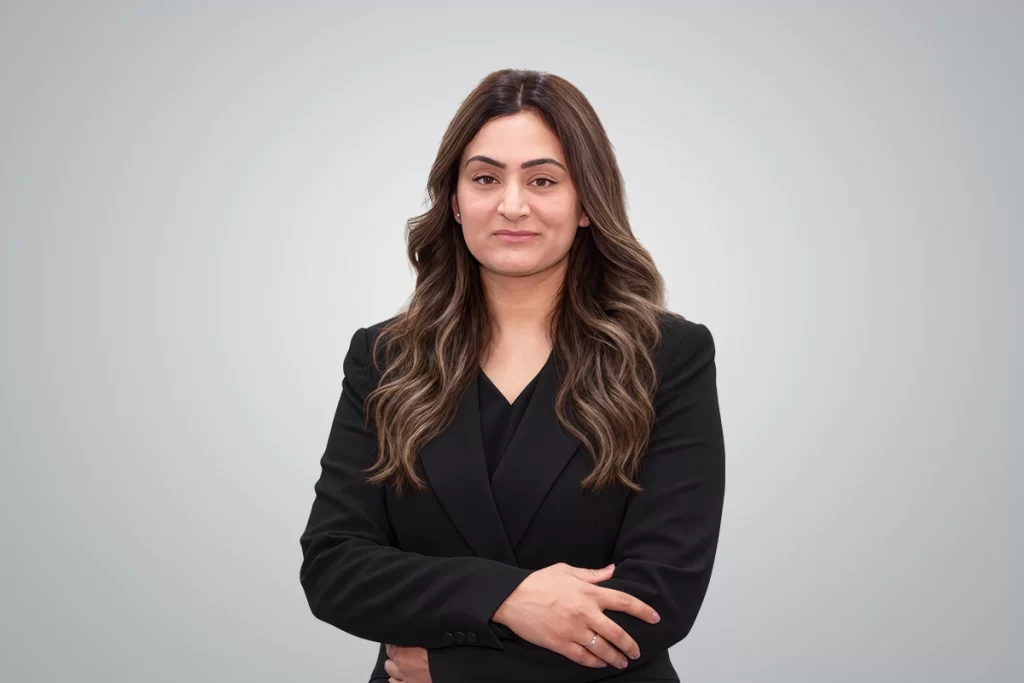
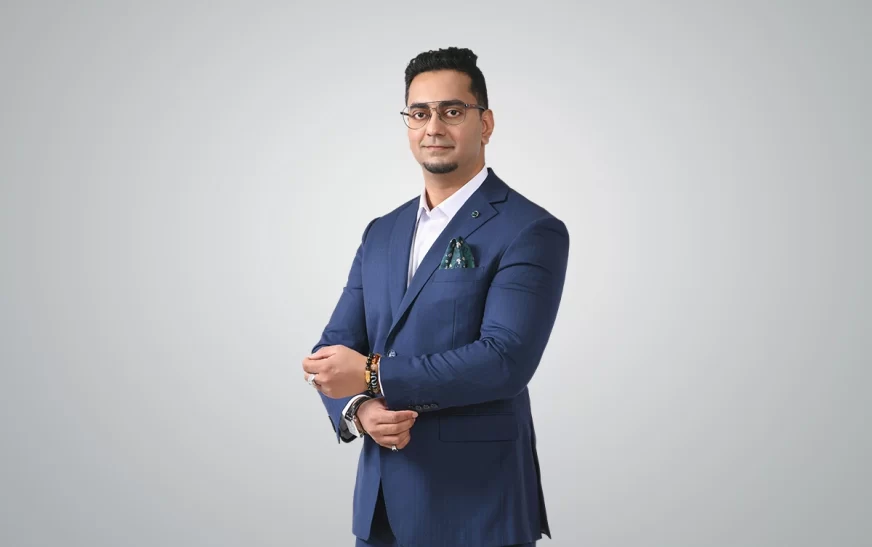
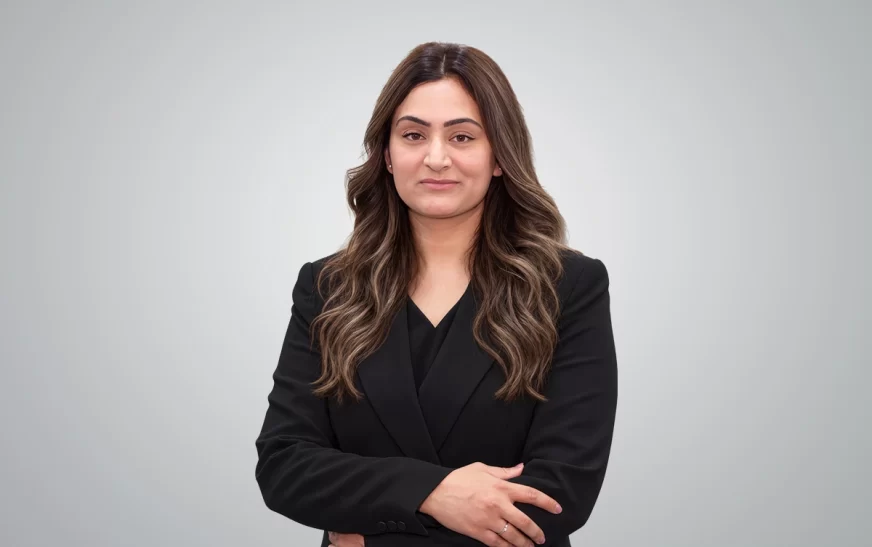
Shumaila Batool

Head of product

UAS International Trip Support

Shumaila Batool
Asias 40 Under 40 2026

The Product Leader Who Looks Beyond the Feature

Shumaila Batool

Head of product

UAS International Trip Support

Shumaila Batool-Asia's 40 Under 40 2026

Engineering taught Shumaila Batool how systems work. Product leadership taught her how people, businesses, and technology work together. This understanding shapes her role as Head of Product at UAS International Trip Support, where digital solutions must address complex operational challenges.

At CAFU, Batool worked on products connecting technology with logistics and service delivery. At UAS, the challenge spans global business aviation, where a single trip involves flight planning, permits, fuel, ground handling, accommodation, transport, finance, and teams across countries and time zones.

These experiences taught her to look beyond feature requests. What appears to be a need for automation may reveal fragmented data, unclear ownership, or a broken process. Building without understanding the underlying problem risks digitising existing inefficiencies.

She also learned that a strong product does not guarantee adoption. Trust, communication, incentives, and human behaviour influence whether technology delivers value.

Talking to TradeFlock, Shumaila said, “The best products often make enormously complicated systems feel remarkably simple.” For her, product leadership means finding clarity in complexity, aligning teams around shared goals, and making deliberate trade-offs that create measurable value for customers and the business.


Can you describe a product where questioning the original approach changed what you built and why?

One of the strongest examples is GTMX, the digital trip management platform we built at UAS. Initially, we assumed digitising business aviation support meant moving existing processes online through forms, requests, and status updates. I challenged this approach because customers already used multiple flight planning, scheduling, and operational systems. They needed less friction between these tools, not another system.

This changed our strategy. We positioned GTMX as an orchestration layer connecting customers, UAS operations, and the wider aviation technology ecosystem. This led to platform integrations, real-time trip visibility, centralised documentation, and AI-assisted trip feasibility.

It also changed our approach to automation. Instead of asking how to digitise a task, we asked why customers should have to perform it at all.

The experience taught me that product strategy means understanding a product’s role in customers’ lives. Knowing what not to build matters as much as knowing what to build.

How have you aligned cross-functional teams, developed leadership capability, and scaled a complex transformation?

Leading transformation at UAS taught me that technology is rarely the hardest part. The challenge lies in aligning teams across departments and geographies, each with different priorities and established ways of working.

We strengthened product governance by helping teams define problems, prioritise business outcomes, and establish clear ownership while balancing planned roadmaps with emerging operational needs.

As the scope grew, I realised I could not make every decision myself. Product managers and technology leaders needed the context, authority, and accountability to act independently.

My role shifted toward clarifying strategy, exposing trade-offs, and building stronger stakeholder relationships.

I believe transformation scales when more people can make good decisions independently. Technology scales through architecture; organisations scale through leadership. Both are essential.

How do you assess risks and make decisions when information is incomplete and no clear answer exists?

Almost every meaningful product decision involves incomplete information. One example was driving digital platform adoption among customers accustomed to personalised, human-led service.

Moving too quickly toward self-service risked disrupting a valued experience, while moving too cautiously could preserve inefficiencies and limit adoption. Without clear data to determine the right balance, I distinguished reversible decisions from those that could compromise customer trust.

We introduced capabilities incrementally, monitored adoption, gathered feedback, and adjusted our approach. The resulting hybrid model used technology to improve speed, transparency, and control while retaining human expertise where complexity or customer preferences required it.

Some features failed to change behaviour as expected, while smaller improvements delivered significant value by addressing overlooked friction. This reinforced my belief that product discovery continues after launch.

The experience taught me to learn quickly, limit risks, and adapt without defending past assumptions. The same applies to AI: I favour controlled experiments that establish where it genuinely improves decisions, removes work, or enables new capabilities.

What does giving back mean to you, and how can product leaders use their experience to guide the next generation?

As I became more senior, I realised experience matters most when it helps others grow. I mentor and share my journey to make the path clearer for emerging product leaders.

Rather than offering ready-made answers, I encourage people to frame problems, challenge assumptions, assess trade-offs, and make decisions with incomplete information.

As AI accelerates research, design, and coding, human judgement becomes even more valuable. Experienced leaders must help the next generation think critically, understand customers beyond dashboards, and identify genuine problems.

Having built my career across Pakistan, the Middle East, and global markets, I also want others to recognise that professional growth can follow different paths.

A product leader’s legacy lies in the thinkers and leaders they help develop.

TradeFlock • Asia's 40 Under 40

Power Profile
Card

Age 36
Leadership 5yrs
Industry / Sector Technology / Aviation / Digital Transformation
Country United Arab Emirates
Honor Asia's 40 Under 40
Leadership Philosophy “Build clear, autonomous, decision-making teams.”
Motivation Simplifying complexity, transforming through leadership