From Project Delivery to Building Institutional Capability
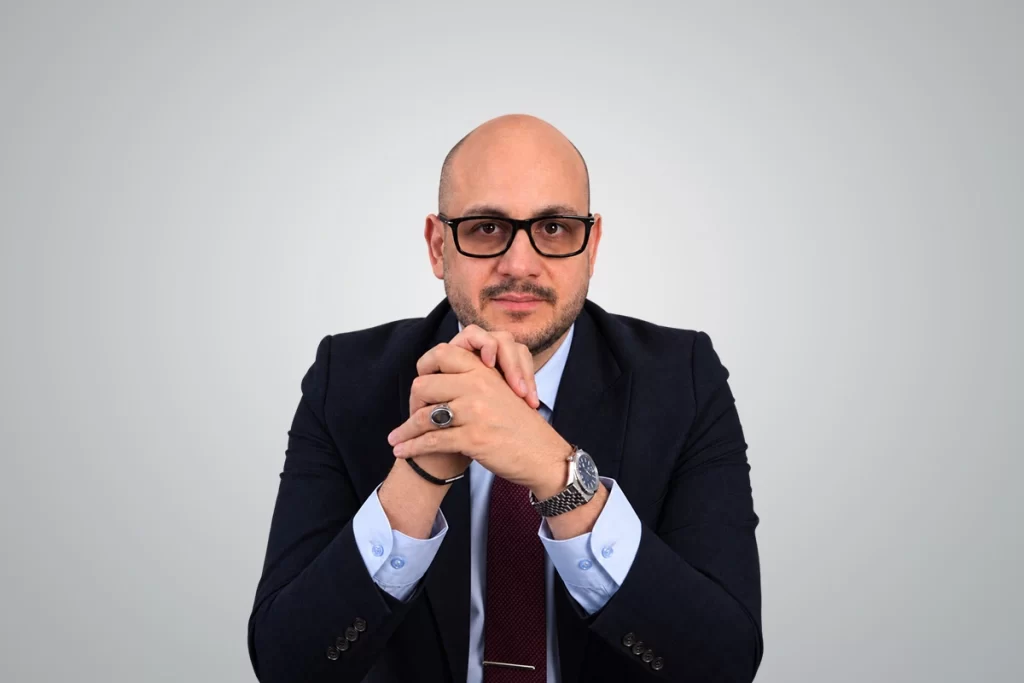
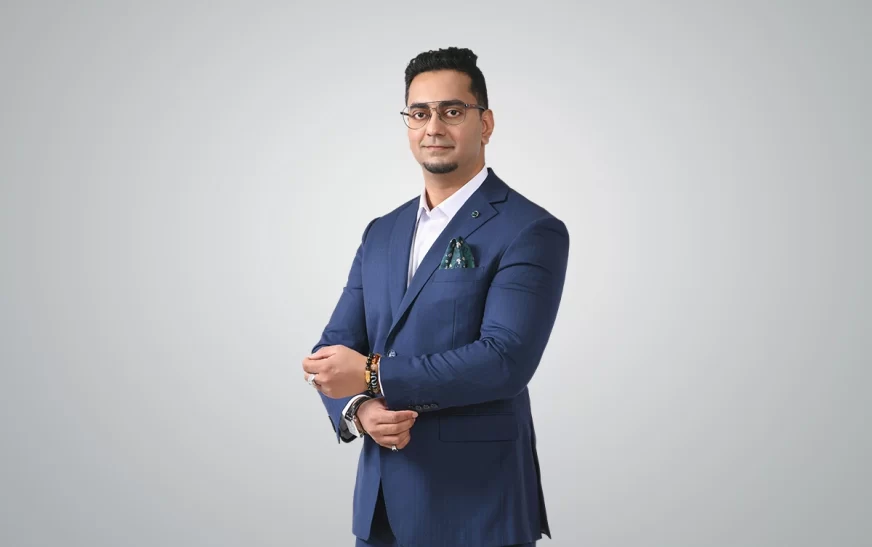
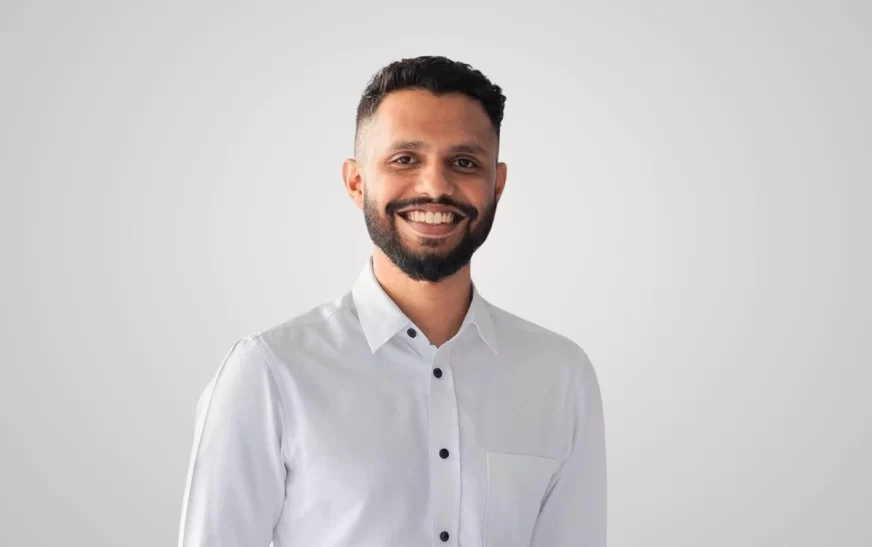
Ahmed Abdelsalam
Chief Executive Officer
ALQEMAM - qTech.
From Project Delivery to Building Institutional Capability
Ahmed Abdelsalam
Chief Executive Officer
ALQEMAM - qTech.
Ahmed Abdelsalam-Asia's 40 Under 40 2026
Since becoming CEO at 30, Ahmed Abdelsalamhas helped guide qTech’s evolution from a privately owned business into a technology company listed on Saudi Arabia’s Nomu market. Today, he leads a team of approximately 400, with a record spanning around 1,000 delivered contracts and a client base that has grown from fewer than 30 to more than 200, without losing a client relationship during his tenure.
An electrical engineer who moved into software through an Egyptian government-funded scholarship, Ahmed built his career across quality control, customer support, and project delivery. Experience in multinational settings and continued professional development shaped a leadership approach centred on clear objectives, continuous planning, and earning lasting client trust. Ahmed shares his insights with TradeFlock in this exclusive interview.
How do you balance shareholder value with long-term growth, and what shaped your leadership?
I balance shareholder expectations with investments that create sustainable commercial value. By 2025, our annual contract value had grown by approximately 567% from the pre-2018 baseline, while revenue had more than tripled. We expanded from one product line to eight, with approximately 40 products and 28 trademarks. Our strategic partnerships also increased from three to more than 30 by 2026.
Retaining clients is one of my central measures of success. For me, growth carries greater meaning when existing clients continue to trust us as the business expands.
These results require disciplined capital allocation. I evaluate investments against expected returns, customer demand, and our capacity to execute, supported by measurable objectives and regular performance reviews.
Navigating the pandemic profitably and preparing for listing fundamentally shaped my approach to leadership. Our Chairman and Managing Director have been exceptional sources of support throughout this journey. Their confidence in the team, together with the collective efforts of colleagues across the company, helped us translate our ambitions into the organisational capabilities needed for listing and continued growth. The experience taught me to look beyond immediate financial results and build a business with the structure and capabilities to sustain growth.
What do companies get wrong about responsible AI, and how can governance create a competitive edge?
I believe companies make a mistake when they treat governance as documentation completed after a technology solution has been built. Data protection, access controls, accountability, and human oversight must be considered from the beginning, particularly when serving government clients.
Data sovereignty also has practical implications. Organisations need clarity about where their information resides, who can access it, and how it is used. AI solutions must address these requirements while remaining useful in everyday operations.
Our QEMAM AI platform has received approval from Saudi Arabia’s Digital Government Authority. Integrating it into digital transformation services for Saudi government entities is a priority.
Governance can distinguish a technology provider by helping customers assess whether a solution meets their operational and regulatory requirements. When these considerations are built into development, organisations can evaluate adoption with greater clarity. Responsible innovation, in my view, means delivering useful technology while making its capabilities, limitations, and accountability clear.
What guides your decisions under uncertainty, and which experience most changed your approach to risk?
I start with the objective: what are we trying to achieve, and will this decision genuinely move us closer to it? I then assess the downside, liquidity requirements, execution capacity, and existing customer commitments. I see planning as a continuous process, rather than a document completed at the beginning. We review assumptions, measure progress, and adjust our approach as circumstances change, while keeping the intended outcome in focus.
The pandemic reinforced the importance of preparing for uncertainty rather than relying on a single source of revenue. We maintained annual profitability through 2025, despite variations across periods, while continuing to develop the business.
Our diversification is guided by related customer needs, with complementary capabilities that allow us to support more of their digital transformation journey. Beyond software, we expanded into advanced geographic information systems (GIS), drone services, technology consulting, cybersecurity, managed services, operations and maintenance, and live monitoring solutions. Our licensed activities span more than 70 areas. This breadth gives us additional ways to respond to changing customer requirements and market conditions. For me, managing risk means understanding what the business can absorb while keeping its options open.
What lesson would you pass on to future leaders, and what impact do you hope to leave?
I want to develop people who can take on greater responsibility and connect technical knowledge with practical business needs. Through mentoring and talent development, I encourage emerging professionals to stay curious, honour commitments, and learn from setbacks.
Looking towards 2030, qTech aims to expand across the Gulf and Africa, increase digital product adoption, and pursue opportunities in smart cities, AI, and revenue-sharing models. Moving to Saudi Arabia’s main market remains an aspiration. I hope to support this growth by developing the people and capabilities needed for long-term progress.
TradeFlock • Asia's 40 Under 40
Power Profile Card
Age39
LeadershipCEO since January 2018
Industry / Sector Technology and digital transformation
CountrySaudi Arabia (based); Egypt (nationality)
HonorAsia's 40 Under 40
Leadership Philosophy“Stay focused on the objective. Plan continuously. Earn trust.
”