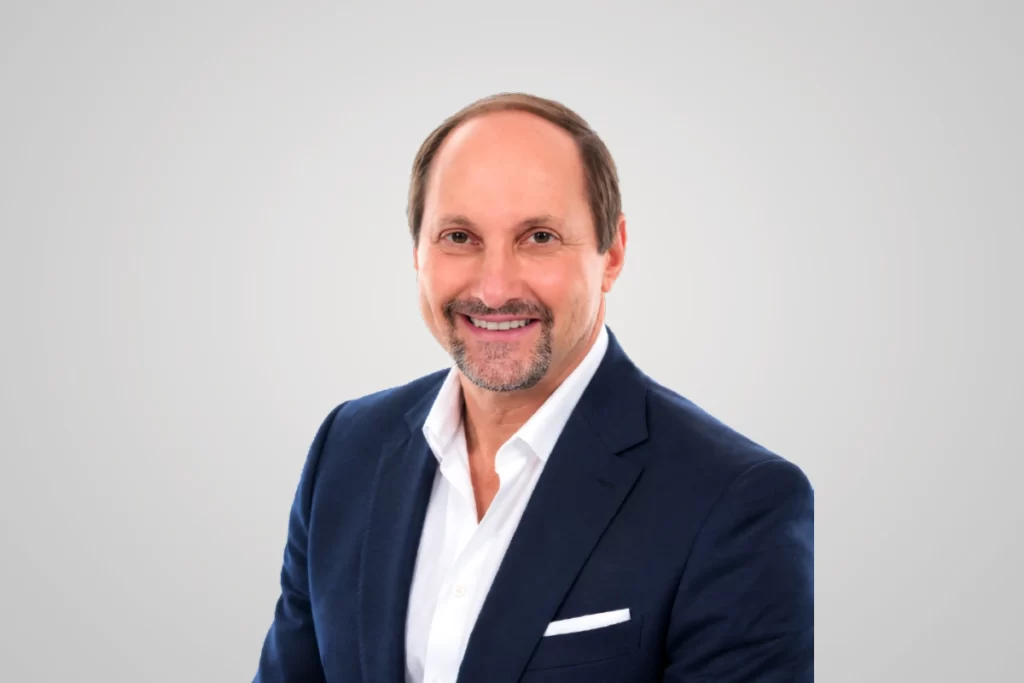
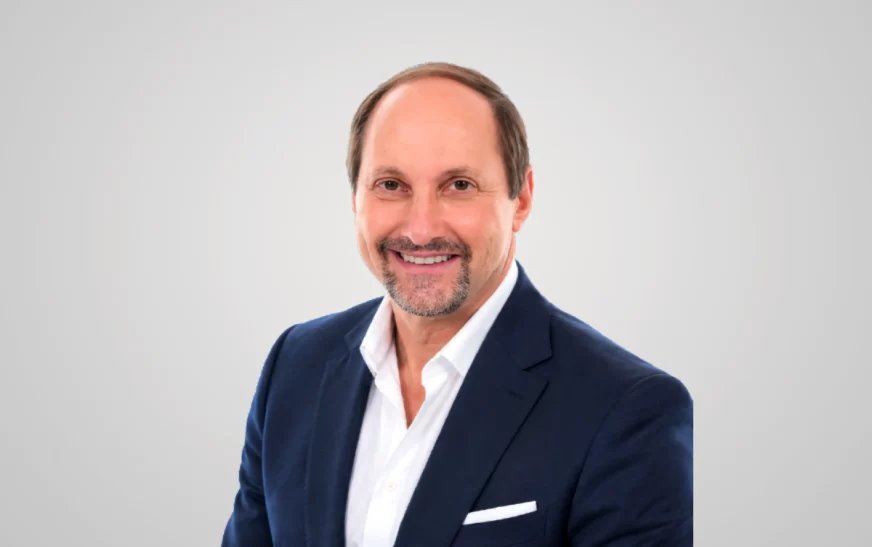
James M. Maisel, M.D.-Visionary Global Corporate Leaders to Watch in 2026
A physician can spend years learning to diagnose and treat disease, yet lose valuable time documenting the care they provide. James Maisel saw this contradiction not as an administrative inconvenience, but as a problem worth solving.
A vitreoretinal surgeon and researcher, James has spent more than four decades working to improve patient care, first through clinical practice and research, and later through technology designed around physicians’ needs. When documentation inefficiencies became a frustration in his own work, he founded ZyDoc in 1993. What followed was a sustained effort to make clinical documentation more efficient without losing sight of accuracy, usability, or accountability. An NIH-supported Columbia University study demonstrated a 61% improvement in physician documentation productivity using the technology.
As Founder and CEO of ZyDocand leader of Retina Group of New York, James M. Maisel, M.Dbrings a physician’s perspective to healthcare innovation. In this exclusive conversation with TradeFlock Magazine, he discusses building technology that gives doctors more time to care.
What experiences shaped your journey across medicine and technology?
My career has always been driven by one question: how can we make medicine work better for patients and physicians?
Training in vitreoretinal surgery taught me precision, accountability and the importance of making consequential decisions with incomplete information. Research supported by the National Eye Institute showed me the power of scientific innovation, while establishing an ophthalmology department at SUNY Stony Brook taught me how to build teams and organizations.
Founding the Retina Group of New York gave me the perspective of both a practicing physician and an entrepreneur. Later, frustration with inefficient clinical documentation led me to create ZyDoc. Moving from a problem in my own workflow to developing a scalable solution became a defining turning point. It reinforced a lesson I have carried throughout my career: meaningful innovation begins by listening to the people doing the work and improving solutions around their needs.
How do you judge whether healthcare technology is ready for clinical use?
I ask four fundamental questions. Does it improve care? Does it make the clinician’s job easier? Does it improve patient satisfaction? And does it produce measurable economic value?
A product can look impressive in a demonstration but fail in real clinical workflows. Extra clicks, corrections and administrative steps can erase its benefits. Technology must also be secure, scalable, easy to install, train, support and upgrade, and compatible with existing workflows. Commercial viability matters, too, including profitability and protecting intellectual property through trade secrets or patents. Multilingual solutions can also open larger global markets.
My experience with clinical documentation taught me that accuracy alone is insufficient. Technology must handle the exceptions that occur constantly in medicine. This is why I believe in human-in-the-loop systems, combining AI’s speed and scalability with expert oversight for judgment, quality assurance and accountability.
What does giving back mean to you today?
Giving back means using what I have learned to leave healthcare better than I found it. Throughout my career, this has meant caring for patients, mentoring physicians, participating in research, contributing to healthcare and ophthalmic standards, supporting organizations devoted to vision and medical advancement, and developing technology intended to return time to physicians.
I want the next generation to understand that innovation and service are not competing goals. The best entrepreneurship can accomplish both.
Medicine gave me the privilege of protecting sight and improving individual lives. Technology has already let ZyDoc help thousands of physicians serve millions of encounters and offers the opportunity to extend that impact across millions of physicians and, potentially, billions of clinical encounters. Using decades of experience to create something that continues helping patients and physicians is what I find most meaningful.
What has been your toughest leadership challenge?
The most challenging periods have been those when clinical responsibility, business leadership and technological innovation demanded my attention simultaneously. Medicine does not allow you to postpone responsibility. A patient sitting in front of you deserves your full attention, regardless of what is happening elsewhere.
I learned to separate urgent problems from important ones, surround myself with capable people and stay focused on long-term objectives without becoming distracted by short-term setbacks.
Building healthcare technology brought another reality into focus. Physicians will abandon a product quickly if it creates more work than it eliminates. These experiences taught me resilience, but also humility. Leadership is not about having every answer. It is about creating an organization where problems can be identified honestly, solutions tested quickly and the people closest to those problems have a voice.
What will AI change most about medicine?
I believe the next major transformation will be AI that becomes almost invisible to physicians. AI will continue to make mistakes, even as it improves, so we must account for its limitations.
Physicians still spend too much time operating computers instead of practicing medicine. Beyond ambient documentation, the bigger opportunity is intelligent workflow orchestration that listens, understands context, organizes information, supports clinical reasoning and updates medical records with minimal physician effort.
People often assume AI is meant to replace humans. I see its greater potential in amplifying them. Medicine involves ambiguity and consequential decisions, making unquestioned automation dangerous. At ZyDoc, we believed in combining automation with expert human review long before generative AI became prominent.
The measure of success should be the Quadruple Aim: better patient outcomes, improved patient experience, lower costs and better clinician well-being, alongside measurable return on investment. In an NIH-supported Columbia University study, our technology reduced physician documentation time by 61%.
“The most successful systems will allow doctors to spend more time looking at patients and less time looking at screens.”