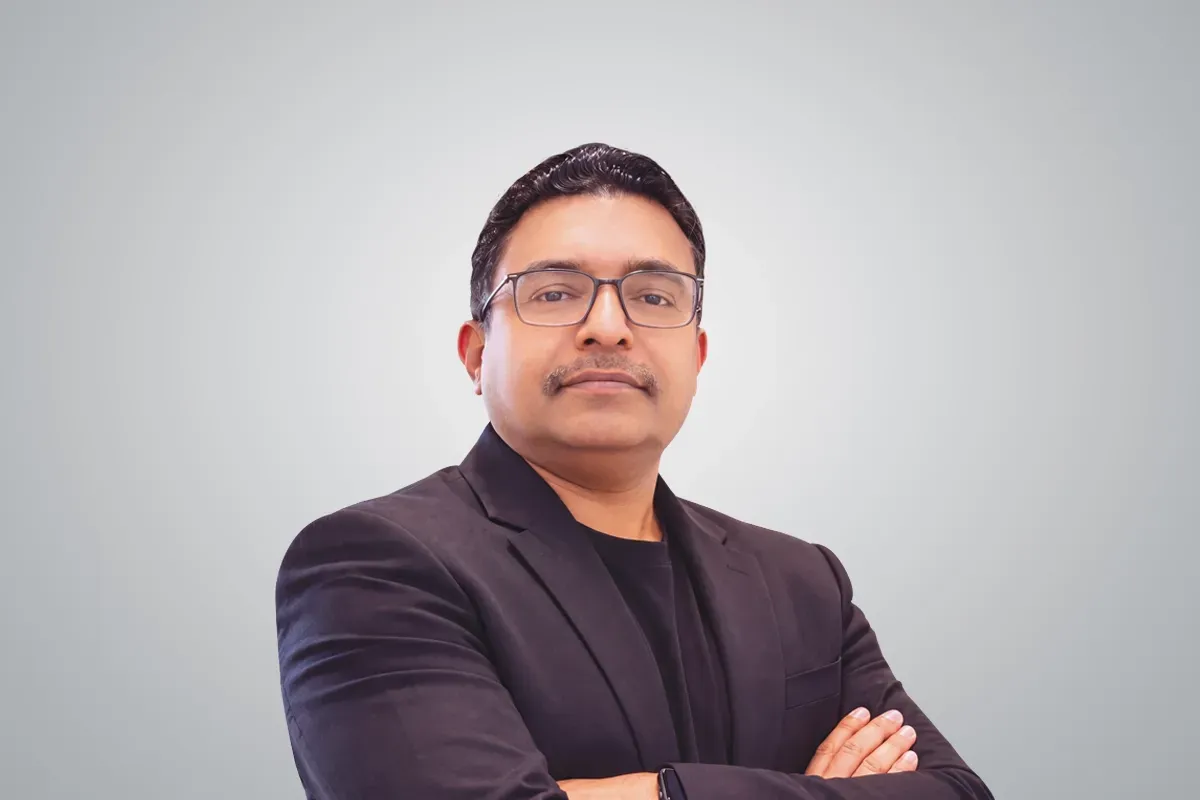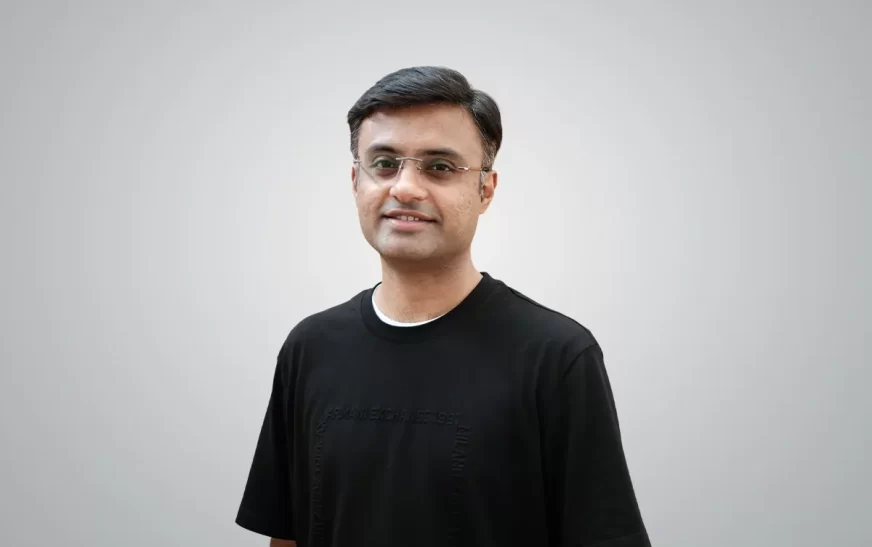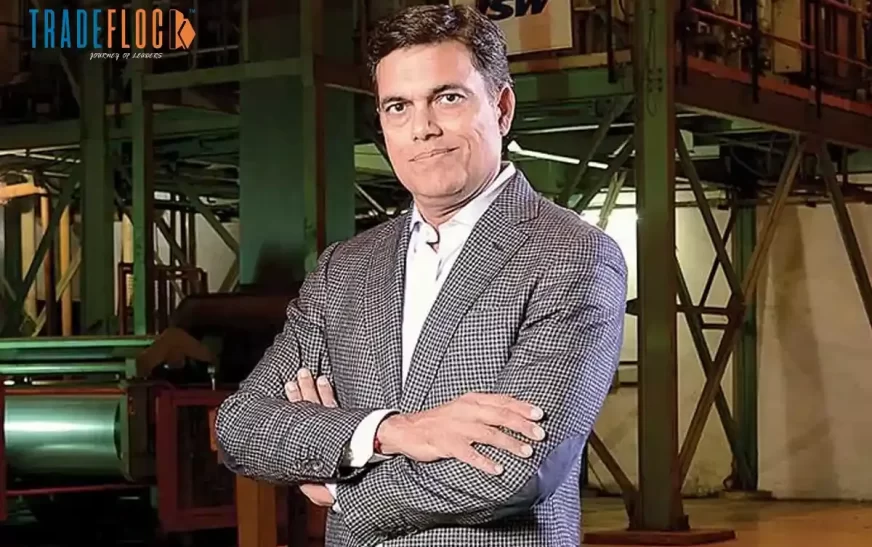
Think about all the tall buildings, wide highways, and big power projects shaping modern India. A lot of that comes down to one major name: the JSW Group. And driving it all is Sajjan Jindal.
People love to call him India’s “Man of Steel,” and for good reasons. He isn’t just another billionaire on a list; he is the mastermind who took a small family steel shop and turned it into a giant global empire.
Let’s dive in and check out his story, how JSW grew so huge, his biggest wins and his net worth.
Who is Sajjan Jindal?
Sajjan was born on December 5, 1959. His dad, Om Prakash Jindal, was already a famous businessman and member of the Haryana Legislative Assembly. But Sajjan didn’t just sit back and lean on his family’s name. Instead, he focused on his technical skills and did his bachelor’s degree in mechanical engineering from the Ramaiah Institute of Technology in Bangalore
When he joined the family business in 1982, he wasn’t looking to keep things as they were. He wanted to scale and innovate. Things shifted big time in 2005 after his father tragically passed away. The family business got split among four brothers, and Sajjan took charge of the main operations based in Mumbai.
That was the starting point for what we know today as the JSW Group. Not just running a single steel plant, but also growing it into a massive empire that touches everything from energy and cement to infrastructure and paints.
Sajjan Jindal Net Worth (2026)
As of 2021, Sajjan Jindal had a personal net worth of roughly $15 billion, as per Forbes. His fortune has shot up fast, largely thanks to his public companies doing amazingly well and India’s massive push for new infrastructure. As a result, his net worth today is estimated to be around $18-$22 billion. However, readers should take that number with a grain of salt as it is not reported by a reputable publication.
Now, his mother, Savitri Jindal, heads the wider Jindal family, and her total net worth is over $39.1 billion on the Forbes list. But Sajjan carved his own path, building JSW into the biggest money-maker in the family. His wealth really jumped thanks to the huge market value of JSW Steel and JSW Energy, plus taking JSW Cement public.
Sources of Income
- Steel: This is his bread and butter. JSW Steel is India’s leading private steel producer and its primary wealth anchor.
- Energy: Highly diversified and humongous portfolios in renewable power via JSW Energy.
- Infrastructure: Operating crucial ports and rail links through JSW Infrastructure.
- Cement & Paints: Rapidly growing consumer sectors, reinforced by the high-profile acquisition of AkzoNobel’s majority Indian stake to run JSW Dulux.
- Sports: Commercial returns and brand equity via JSW Sports.
Sajjan Jindal and JSW Group
The whole story of the JSW Group is about never stopping and always growing. Back in the early 1980s, when Sajjan Jindal took over the family business in Mumbai, he wanted to do things his own way. That’s how Jindal South West became JSW.
He likes to look ahead rather than just staying put. He’s always focused on new tech, eco-friendly manufacturing, and smart business deals.
These are the main areas where JSW makes the huge splash:
- JSW Steel: JSW is spending a massive $20 billion to expand its plants and keep up with India’s booming infrastructure needs.
- JSW Energy: They are shifting hard toward clean, green energy, becoming a major player in India’s push for renewable power.
- JSW Infrastructure: JSW runs high-tech shipping ports that keep heavy industrial goods moving smoothly.
- JSW Paints & Consumer: JSW shook up the market by taking a major stake in AkzoNobel India, pushing the brand to the top of the industry.
- Green Mobility: JSW are even stepping into sustainable transport, rolling out electric commercial vehicles and electric cars through partnerships like JSW MG Motor India.
Sajjan Jindal Family
Behind every huge business empire, there is usually an even stronger family, and the Jindals are a total powerhouse. They’ve mixed classic old-school industry power with fresh, modern ideas.
- The Head of the Family: His mother, Savitri Jindal, is known to be the richest woman in India and the head of the larger O.P. Jindal Group.
- His wife: His wife, Sangita Jindal, drives incredible social and cultural initiatives, running the JSW Foundation to focus on art, charity, and community building.
- Next Generation: His son, Parth Jindal, is taking charge of major ventures like JSW Cement, JSW USA, and JSW Sports (which manages big-name teams like the Delhi Capitals). Plus, Sajjan’s daughters, Tarini and Tanvi, lead exciting creative and business projects.
- His Brother: Naveen Jindal is Sajjan’s younger brother and heads Jindal Steel and Power, in addition to being a Member of Parliament.
Built to Last
Sajjan’s hard work has definitely paid off. He made history as the very first Indian business leader to lead the World Steel Association and even won the EY Entrepreneur of the Year award.
His journey from a regular engineering student to a multibillionaire is a lot like India’s own economic boom. By mixing old-school heavy industry with everyday stuff like paints, sports, and electric vehicles, he has built a business legacy that is here to stay.