
Putting Financial Discipline Behind Ambitious Growth
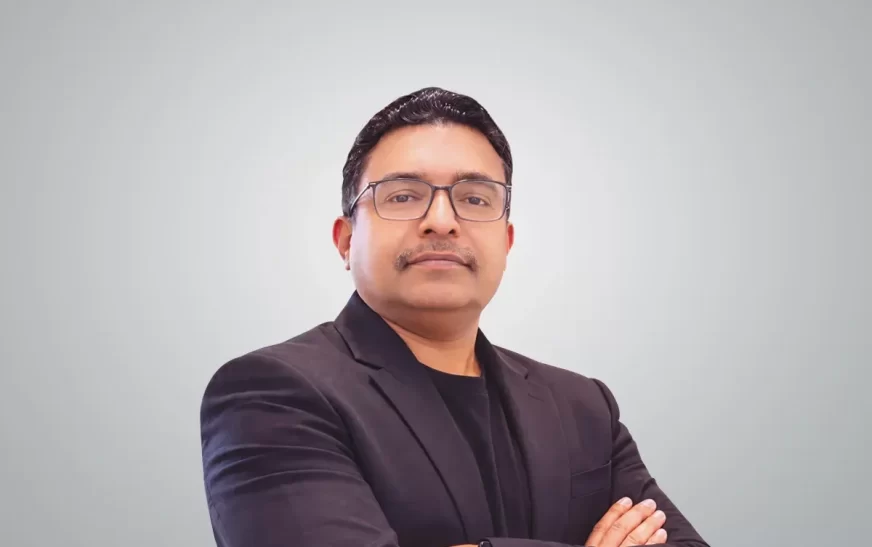
Ciby Joseph
CFO
Finesse Group of companies (GCC & India)
Putting Financial Discipline Behind Ambitious Growth
Ciby Joseph
CFO
Finesse Group of companies (GCC & India)
Ciby Joseph-10 Best CFOs from Asia 2026
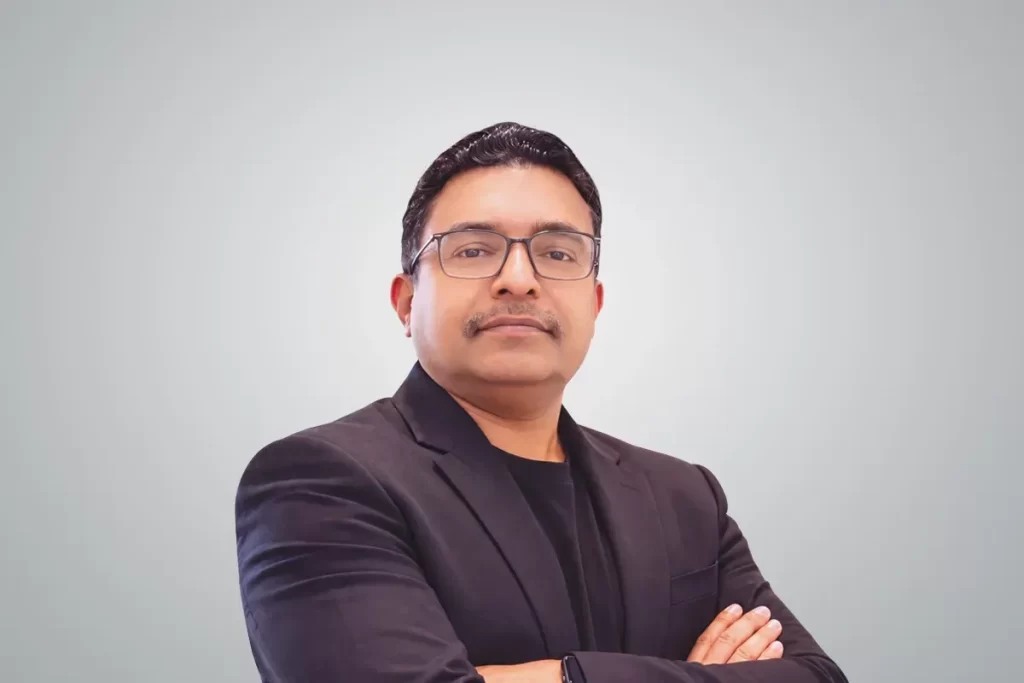
One of the most uncomfortable truths in business is that growth can create its own financial strain. The faster a technology company expands, the greater the demands on capital, liquidity, risk management and operational control. Ciby encountered this reality while leading finance across India, the GCC and international markets, where growth decisions had to be weighed against cash flow, governance and execution.
The experience changed his understanding of the CFO’s role. Finance could no longer simply report what the business had achieved; it had to help determine what the business could responsibly pursue next. Today, as CFO of Finesse Global, Ciby brings that perspective to finance, treasury, transformation, governance and strategic growth. He also champions the evolving CFO as a transformation leader—one who connects financial discipline with commercial thinking, innovation and sustainable enterprise value.
His influence extends into finance thought leadership. Ciby is the author of Advanced Credit Risk Analysis and Management and writes and speaks on CFO leadership, financial transformation, treasury, risk management, AI in finance and value creation. He is currently preparing a new book on financial risk management for CFOs and finance leaders.
When speaking with TradeFlock, Ciby reflects on the career experience that made financial sustainability inseparable from his approach to growth.
What lesson did you learn the hard way that now shapes how you lead people?
The most difficult lesson was understanding that leadership is not about having all the answers. Early in my career, I believed strong leaders were expected to solve every problem themselves. Over time, I realised that the best outcomes come from empowering capable people and creating an environment where different perspectives are encouraged.
Today, I invest significant time in mentoring teams, building cross-functional collaboration, and ensuring finance is viewed as a business partner rather than a control function. Trust, transparency, and accountability have become central to how I lead. Strong teams consistently outperform strong individuals.
Which experience outside finance changed your perspective most, and how has it shaped your leadership?
Working closely with sales, customer success, delivery, and technology teams changed my perspective more than any accounting or finance role ever could.
Spending time with clients, understanding how services are delivered, participating in commercial negotiations, and supporting large transformation projects taught me that finance decisions must be grounded in business realities. Numbers tell part of the story, but customer needs, employee engagement, execution risk, and market dynamics complete the picture.
This experience helped me become a more commercially focused leader and strengthened my ability to connect financial outcomes with operational actions.
What philosophy guides your leadership today, and what principle is non-negotiable?
My leadership philosophy is simple: create value responsibly, lead with integrity, and build organisations that can succeed beyond any individual leader.
Markets change, technologies evolve, and business models transform. However, integrity, transparency, and ethical decision-making should never be compromised. Financial leaders are custodians of trust for shareholders, employees, customers, and society.
I strongly believe that sustainable success comes from balancing ambition with accountability. Short-term gains achieved at the expense of ethics, governance, or people ultimately destroy value. Long-term trust remains the most valuable asset any organisation can have.
Beyond my corporate responsibilities, I have always been passionate about sharing knowledge. This led me to author Advanced Credit Risk Analysis and Management, a book that has served as a reference for finance professionals and academic institutions globally. I am currently working on a new publication focused on financial risk management for CFOs and finance leaders, reflecting my belief that modern finance leadership extends beyond reporting and compliance to building resilient, future-ready organisations.
As the CFO role expands, what change in the profession deserves more attention, and where must finance leaders rethink their role?
The profession needs to pay more attention to the CFO’s role as a transformation architect rather than simply a financial steward.
Historically, finance leaders were measured by reporting accuracy and cost control. While those remain important, modern CFOs must also shape technology investments, AI adoption, business model innovation, and enterprise-wide transformation programmes. Finance leaders need to move from looking backward at what happened to helping organisations understand what will happen and how to prepare for it.
The future CFO will combine financial expertise with data, technology, and strategic leadership skills. Those who embrace AI, automation, predictive analytics, and digital transformation will create significantly more value than those who remain focused solely on financial reporting.
Across India, the GCC and Europe, where do you see the strongest business opportunities, and what shaped your perspective?
I believe the greatest opportunity lies in helping organisations accelerate digital and AI-led transformation while leveraging the talent strengths of India and the growth potential of the GCC.
India continues to offer world-class technology and innovation capabilities. The GCC is investing aggressively in digital transformation, smart government initiatives, cybersecurity, AI, and enterprise modernisation. Europe brings strong governance, sustainability, and operational excellence practices.
My experience leading cross-border businesses taught me that successful expansion is not just about entering new markets. It depends on localisation, building trusted relationships, maintaining strong governance, and creating scalable delivery capabilities. Today, I evaluate opportunities based not only on market size but also on long-term sustainability, customer value, and execution readiness.
All Magazines -


Success Insights
Ciby Joseph-10 Best CFOs from Asia 2026
Pemith Paaris-Asia’s 40 Under 40 2026