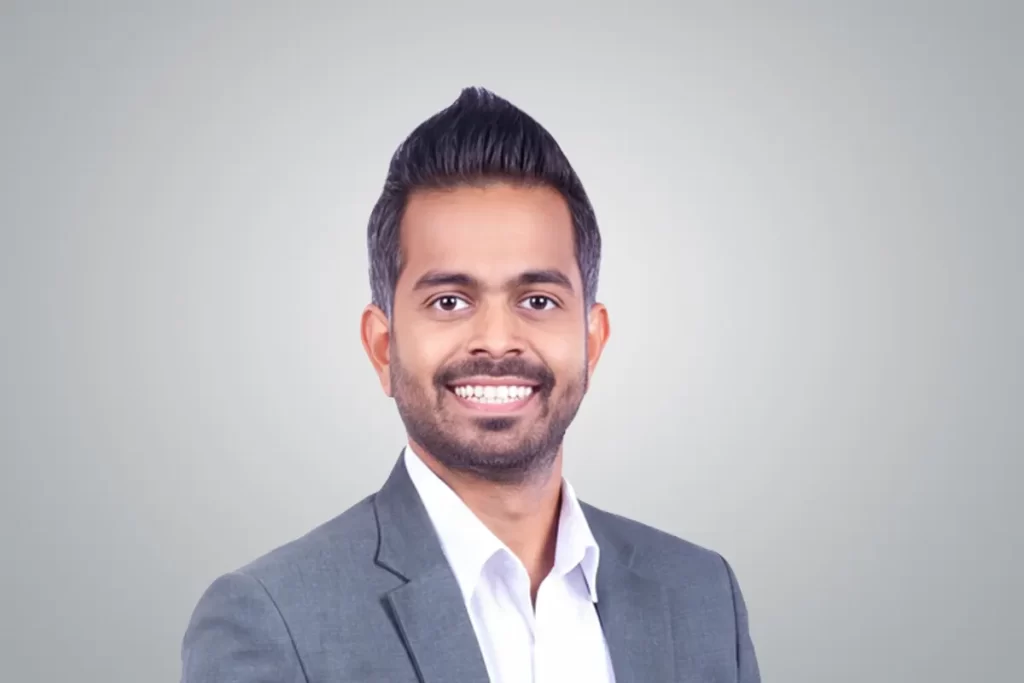
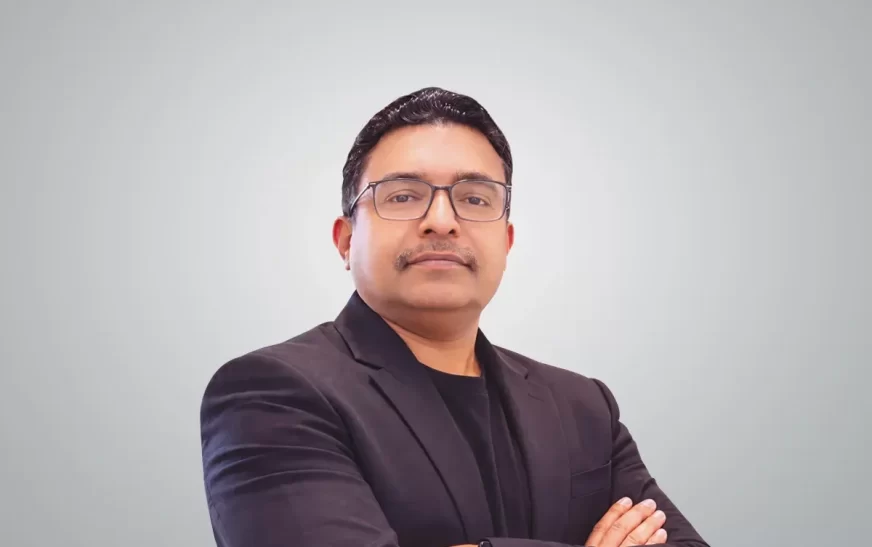
The ability to see the problem behind the problem is one of Pemith Paaris’sdefining strengths as a business leader. His perspective was shaped at Synex Group, where a move from the technology and communications sector into Construction, trading and operations gave him a much broader view of what drives business performance. He learned to question the assumptions behind revenue, rather than treating the number itself as the problem. Pricing, delivery economics, capacity and organisational design often determine outcomes long before they appear in a report. Working across international markets also taught him how quickly external forces can alter a business plan.
Today, as Associate Vice President & Director Business at Acentura Inc., Pemith applies that thinking to growth, partnerships, technology-led businesses and people. He believes strong organisations are built through sound systems, clear accountability and teams capable of operating without constant dependence on their leader.
Pemith shares his leadership insights and the experiences that have shaped his approach to business in this exclusive interview with TradeFlock.
What has been the hardest priority to balance across growth, delivery, customers, and profitability?
The core challenge is not balancing growth, delivery, customer relationships, and profitability individually, but managing their different timelines with the same limited resource: strong people. Growth takes time, delivery demands immediate attention, customer trust is built over years, while profitability is shaped long before it appears in a report.
I have learned to set priorities deliberately rather than allowing the latest escalation to dictate them. Pipeline, delivery health and critical customer conversations each need dedicated attention. I have also become more selective about the opportunities we pursue. The right deal must match what the organisation can deliver profitably. Ultimately, profitability is created across the business, from pricing the right work correctly to protecting value through disciplined delivery. Clear priorities and quick decisions, rather than trying to do everything, are what sustain momentum.
How should technology-led businesses rethink the way they buy, adopt, and evaluate technology?
The change I believe deserves far more attention is that organisations are still buying technology as a product when, in many sectors, technology has effectively become the product itself. Banks, insurers, telecom companies and fintechs continue to evaluate platforms through features, regulatory checklists and procurement cycles, while giving less attention to whether their data, processes and people are ready to make the investment work.
This is becoming particularly important with AI. Expectations have moved much faster than data maturity. Organisations want AI-led underwriting, collections and customer service while core processes remain fragmented across legacy systems and spreadsheets. No model can compensate for a weak foundation.
I also think buyers need to rethink how they approach cloud and subscription models. The relationship does not end at implementation, adoption and renewal now matter just as much. The strongest technology decisions start with process readiness, data quality and clear ownership—not simply the product being selected.
What signals tell you a new market, revenue channel, or partnership is worth pursuing?
I look for four signals, and I apply them in order. First, is there a clearly defined problem, with a budget owner and a date attached to it? Interest is not demanded. Second, is the opportunity repeatable? I want to know whether there is a second and third customer with the same problem. One opportunity is a transaction; a pattern is a market.
Third, can we serve it credibly with the people we have or can realistically attract? Winning a deal we cannot deliver is a quick way to damage a new market. Finally, in partnerships, I look for mutual dependence. If neither side has something at stake, the partnership usually goes nowhere.
I have learned to distrust momentum without ownership. Before signing, I want the first opportunity, the people responsible, and a timeframe agreed. That simple test filters out many partnerships that were only ever going to be announcements.
What principle has remained constant in how you approach business and people?
The principle that has remained constant for me is simple: do what you said you would do, and stay reachable always. It sounds straightforward, but both become harder as responsibility grows. It is easy to be present when things are going well; what people remember is whether you are there when something goes wrong.
With teams, it means being careful about promises, honesty early when something cannot be delivered, and making the standard visible through your own actions. People follow what leaders do under pressure, not what is written in a values statement.
This principle has also shaped how I build businesses. Repeat relationships compound over time. Clients return, partners trust you faster, and teams carry institutional knowledge forward. The result is not one transaction, but relationships and people choosing to work with you again.