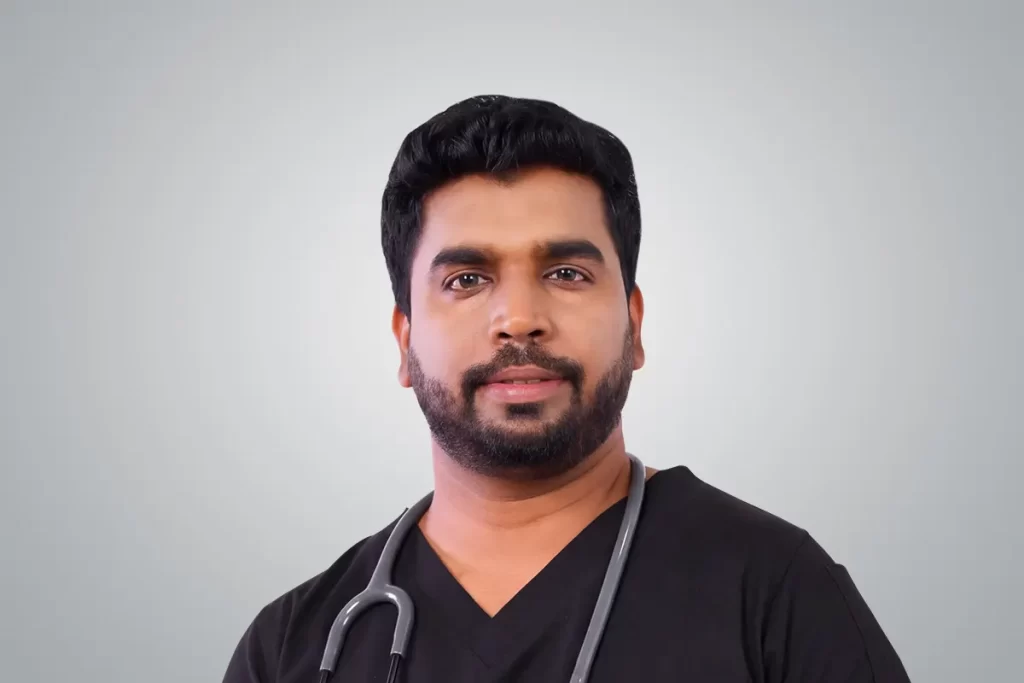
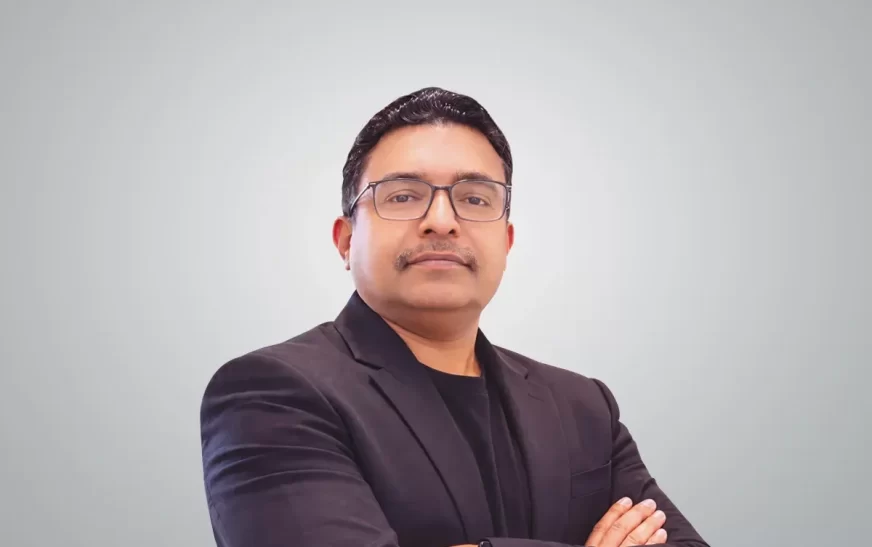
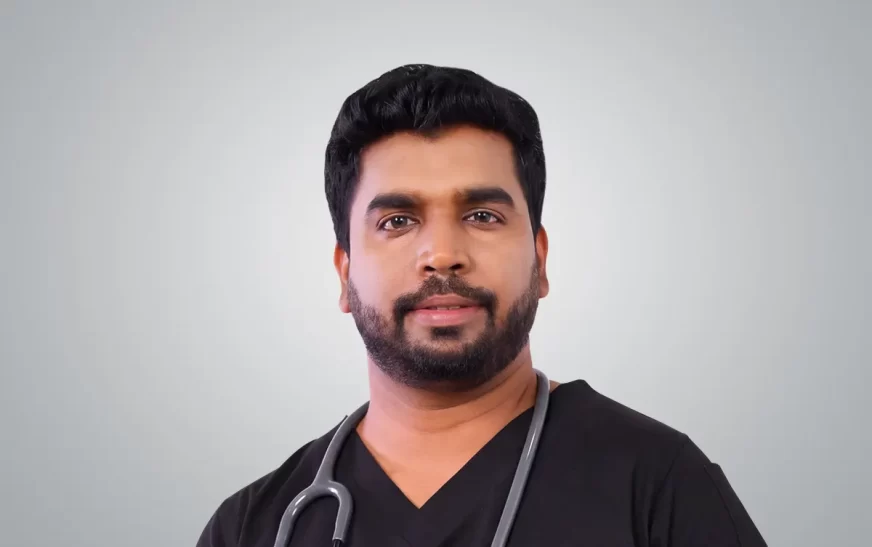
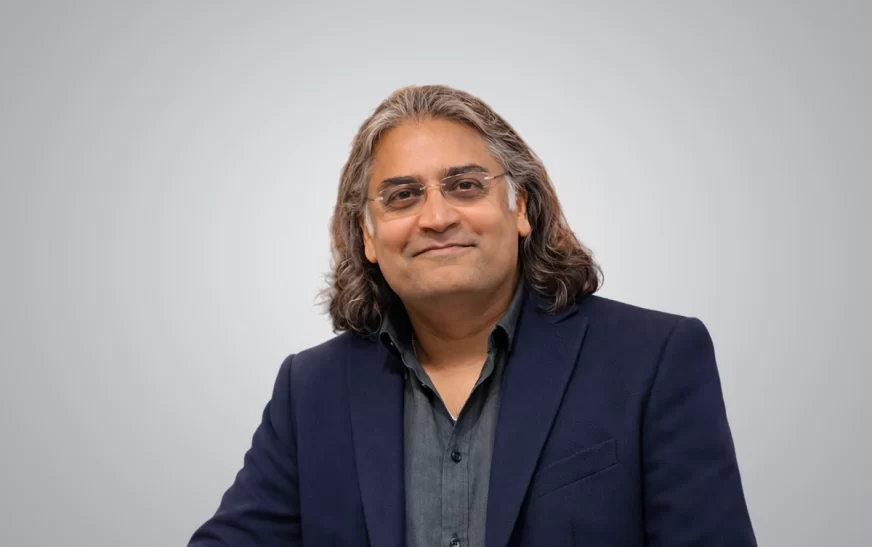
Behind every healthcare statistic is a person trying to understand what is happening to their body. Dr Terash Vidmal Hettigeencountered this reality repeatedly during his years as a medical student, intern, and medical officer. What stayed with him was not only the complexity of healthcare but also the extent to which patients struggled to understand it. In Sri Lanka, he observed a significant gap between healthcare professionals and the public, with some patients remaining unaware of their diagnosis or treatment plan even after prolonged hospital stays.
That observation changed the direction of his journey. Terash began to see health education as an essential part of healthcare itself. He took his knowledge to social media, breaking down health information into simple, accessible messages. His work soon extended to television and radio, giving him a larger platform to reach the public. These conversations also exposed the prevalence of healthcare myths and misconceptions, reinforcing his belief that awareness had to move beyond occasional campaigns.
What began as an effort to educate gradually evolved into a broader commitment to public health, voluntary intervention, and entrepreneurship. When speaking with TradeFlock, Terash looks back at the experiences that shaped his purpose and redefined the impact he wanted to create.
How do you balance evidence and judgement when making decisions that impact patients, colleagues, or the wider community?
When I started PRAANA, I first focused on understanding why similar efforts had repeatedly failed in Sri Lanka since 2016. Rather than rushing into implementation, I identified the key obstacles, studied the challenges, and explored practical solutions. I gathered patient data and statistics to understand the existing situation and determine what needed to change.
This evidence-based approach helped me develop a clear roadmap for establishing a stem cell donor registry in Sri Lanka. Looking back, I believe thoroughly understanding the problem before acting has been central to PRAANA’s progress and success.
What inspired you to establish PRAANA, and what have you learned about turning a healthcare idea into real impact?
My first exposure to stem cell donor registries came during my training at the National Blood Center in Colombo, following my internship and before joining the National Blood Transfusion Service. I learned about the UK’s registry and similar systems worldwide and the invaluable role they play in helping patients find suitable donors.
Sri Lanka has many patients with blood-related conditions such as thalassaemia and leukaemia who may require stem cell transplantation. I noticed that only around 25% could find a matching donor within their families because there was no system to search for unrelated donors. Many patients were left without a suitable option. That was when I realised Sri Lanka needed a national stem cell donor registry.
Turning the idea into PRAANA was challenging. Establishing such a registry seemed like an enormous undertaking, and initially, convincing others to support the vision was difficult. Through persistence, I brought together leading consultant transfusion physicians, the Director of the National Blood Transfusion Service, and Derana media to support the initiative.
The response after PRAANA’s launch was deeply encouraging. Celebrities, influencers, sports personalities, and members of the public volunteered as donors, with more than 1,000 registering on the first day. The experience taught me that meaningful healthcare initiatives require persistence, collaboration, evidence, and community participation. Most importantly, PRAANA gave patients and their families hope.
What is one misunderstood challenge in Sri Lanka’s healthcare system, and what change could make the greatest difference?
One widely misunderstood reality is that Sri Lanka’s healthcare challenges are not simply about a lack of doctors, hospitals, or medicines. While the country has a strong free healthcare system, many patients seek care only after conditions such as diabetes, hypertension, kidney disease, heart disease, or addiction have progressed. In my experience, the larger gap lies in prevention, early detection, continuity of care, and rehabilitation.
The greatest change would be strengthening primary and community-based healthcare through regular screening, health education, counselling, rehabilitation, and follow-up. Moving from a hospital-centred approach to prevention-focused care could reduce complications, healthcare costs, and improve quality of life.
How are you using your knowledge and platform to give back to society and address community needs?
I began contributing to society by sharing simple health information through social media, eventually reaching wider audiences through television and radio, entirely on a voluntary basis. PRAANA became another important initiative, created to give hope to patients seeking stem cell donors.
I have also partnered with organisations such as Manusath Derana, Gami Shakthi Foundation, and Lions Club to conduct regular blood donation and free medical camps in rural communities. Beyond medical care, these initiatives provide hearing and eye care, dental care and support for pregnant women, and essential stationery and sports equipment to selected rural schools.
I recently partnered with Jendo Innovations, an innovative startup to promote AI-assisted vascular health screening among the community. With them, I hope to address the challenge of early detection in our health care system.
POWER PROFILE CARD –
Age: 32
Country: Sri Lanka
Industry/Sector: Healthcare
Years in Leadership: 04
Leadership Philosophy: Transforming healthcare gaps into solutions
Motivation: Transforming Sri Lankan healthcare for good