Leading Across Borders, Businesses and Generations
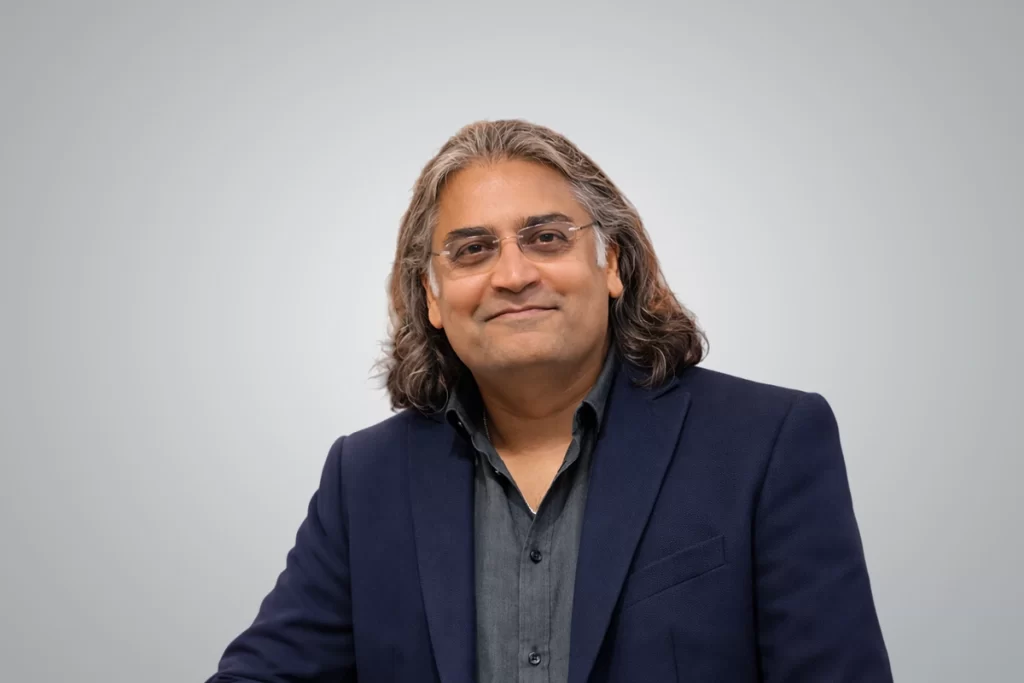
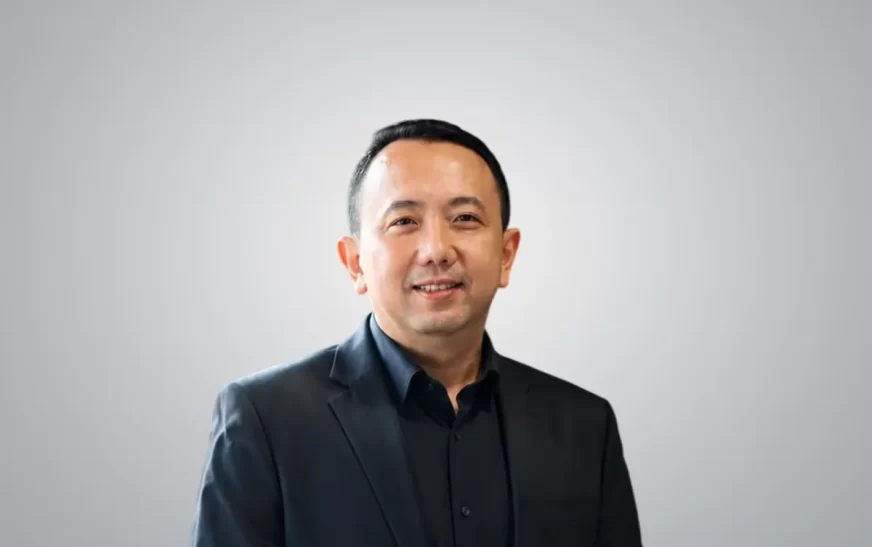
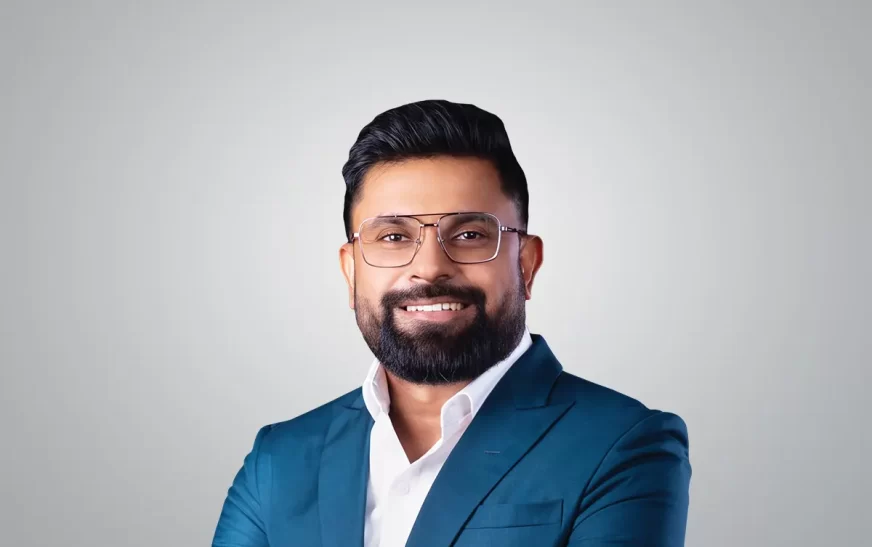
Ande Aditya
Founder & CEO | Fractional CEO & Board Advisor
Aditya Group Thailand
Leading Across Borders, Businesses and Generations
Ande Aditya
Founder & CEO | Fractional CEO & Board Advisor
Aditya Group Thailand
Ande Aditya-Best CXOs in Asia 2026
There was a point in Ande Aditya’s career when building a business meant stepping into unfamiliar territory with little certainty of what lay ahead. In 2002, he began his entrepreneurial journey in Thailand with limited financial resources, no large team, no investor backing and little familiarity with the Thai language or business culture. What he had was conviction and the determination to make it work.
Those early years became a defining leadership education. Aditya learnt that succeeding in a foreign market requires more than a strong business idea. It demands patience to understand people, humility to question assumptions and resilience when progress is uncertain. The experience also changed his view of leadership: it is less about having all the answers and more about taking responsibility when the answers are not obvious.
That philosophy continues to shape his 35-plus-year career across industries and countries. As Founder & CEO of Aditya Group Thailand and a Fractional CEO & Board Advisor, talking exclusively with TradeFlock, Aditya shares the experiences that shaped his approach to business and leadership.
What guides your approach to difficult business decisions?
When an owner comes to me with a problem, I rarely look at the business in isolation. In owner-led and family businesses, commercial decisions are often tied to family dynamics, succession, personal priorities and how decisions are made. That is why my role has increasingly become that of a trusted relationship advisor, looking at both the business and the family behind it.
Recently, a business owner approached me because three of his companies had been making losses for several years. He expected me to restructure the businesses and restore profitability. But after understanding the situation, I realised the deeper problem was succession.
The next generation was involved in running the businesses, but some decisions were being made impulsively, without enough commercial discipline or practical assessment. A strategy change alone would not solve that.
My recommendation therefore went beyond restructuring. The businesses needed stronger professional oversight, clearer decision-making authority, greater accountability and ongoing guidance for the next generation. Sometimes the visible business problem is only a symptom. The real value of an advisor is identifying what is causing it.
What have you sacrificed along your journey to success?
The biggest sacrifice for me has been certainty. Entrepreneurship gives you freedom, but it also takes away the comfort of knowing what next month or next year will look like. Building businesses across industries and countries meant carrying responsibility for employees, customers, partners and capital, often long after the working day ended.
There were periods when business had to come before comfort, leisure and the ability to mentally switch off. I do not romanticise that sacrifice; it is part of the price of ownership. What made it worthwhile was creating something of my own and, over time, gaining the freedom to choose the work and people I want to be associated with.
What is your approach to turning around underperforming businesses?
In a stalled business, I normally begin with diagnosis rather than strategy. I want to know where revenue is really coming from, which products and customers are profitable, where cash is being consumed, who owns each result and where decisions are getting stuck.
Many businesses do not suffer from a shortage of ideas; they suffer from too many activities and too little accountability. I simplify priorities, assign measurable ownership and create a regular review rhythm. Sometimes the answer is growth; sometimes it is stopping a product, changing a person, reducing cost or saying no to an attractive-looking opportunity. Meaningful change starts when management is willing to deal with the real issue rather than the comfortable one.
What do international businesses often misunderstand about entering Thailand?
One common mistake is treating Thailand as simply another Southeast Asian market that can be managed from a regional office. Thailand is highly relationship-driven, and business decisions often develop through trust built outside formal meetings. I have seen more trust built over a round of golf or a meal than through several boardroom presentations.
Foreign companies also underestimate localisation, regulatory details, partner selection and the need for someone on the ground who can follow through. A strategy that works in Singapore, Europe or India cannot simply be copied here.
My advice is to enter with patience, local execution capability and a willingness to adapt. Relationships may open the door, but credibility, consistency and execution keep it open.
How do you use your experience and resources to create social impact?
Giving back, for me, is both practical and personal. I regularly visit Buddhist temples, spend time with monks and support temples and charitable trusts whenever I can. I am Hindu, but I feel close to Buddhist philosophy, especially its emphasis on compassion, detachment and mindfulness. I try to apply these ideas in everyday life rather than treat them only as religious concepts.
I maintain close associations with a few temples, monks and social organisations that I support periodically, especially those helping children with disabilities and autism. I also spend time guiding entrepreneurs and business owners when I feel my experience can help them avoid mistakes or make better decisions.
At this stage of my life, giving back is less about recognition and more about quietly contributing where I can see a real need.