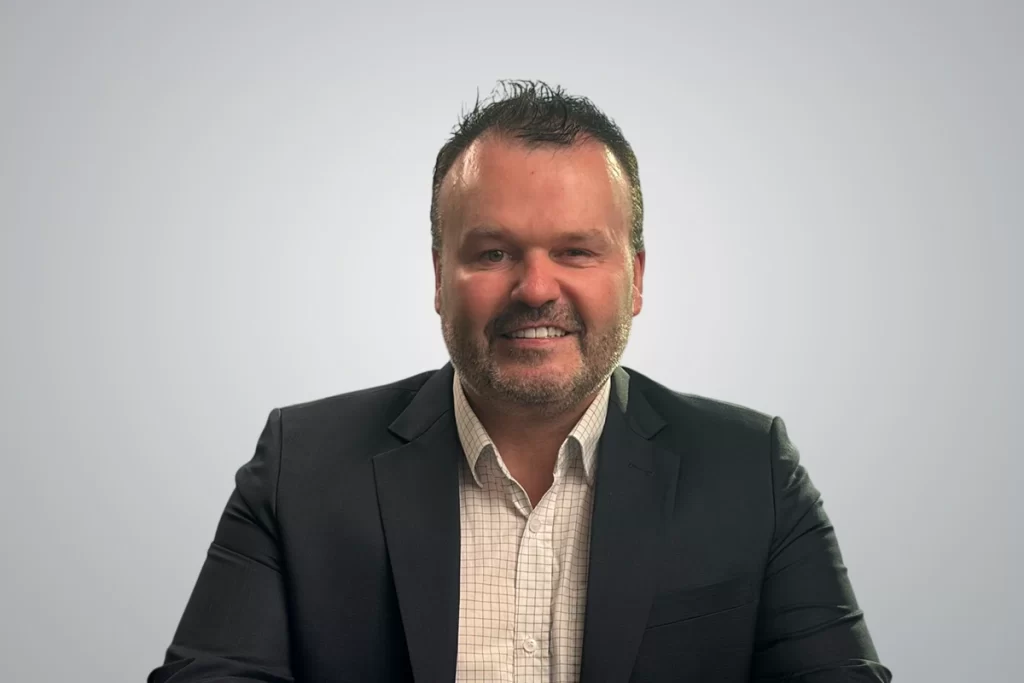
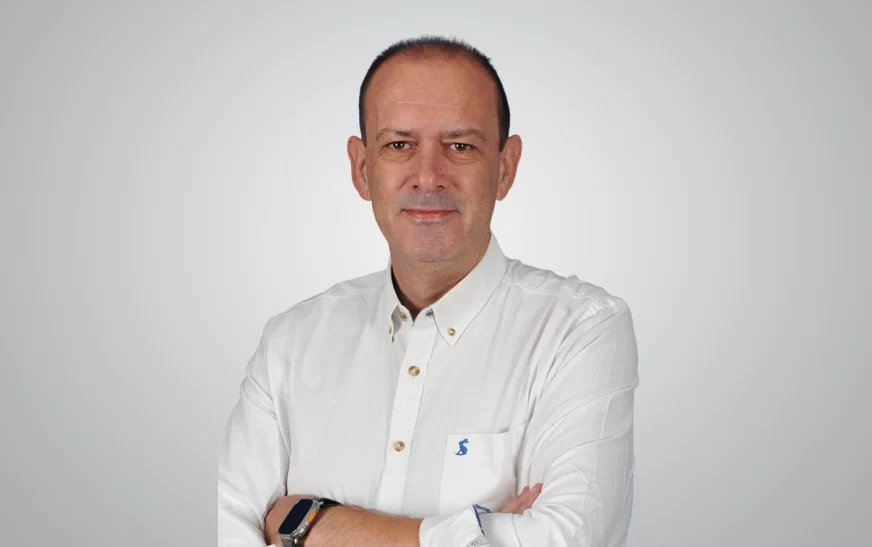
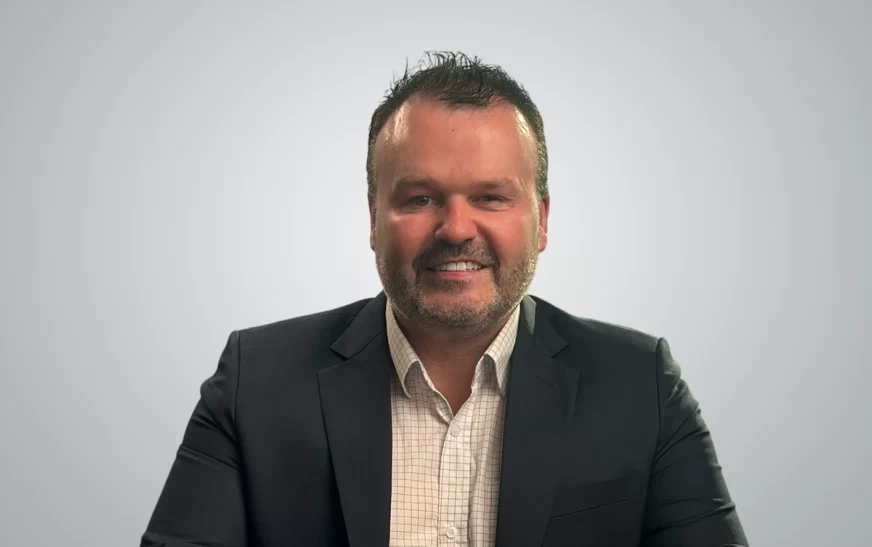
Eamonn Doherty-Most Influential Business Leaders in the UAE 2026
Complex operations create a difficult leadership challenge: maintaining consistent standards across teams, cultures and working environments while meeting demanding business objectives. In high-risk sectors, fragmented responsibility for health, safety, security, environment and quality can make that challenge even harder to address. Eamonn Doherty, VP HSSEQ at DP World Maritime Solutions, approaches it with a career shaped by oil and gas, onshore & offshore drilling, maritime and civil construction.
Eamonn’s frontline experience taught him that decisions have consequences, while his subsequent regional and global leadership roles showed him how management systems, workplace culture and executive priorities influence operational outcomes. He advocates an approach that places HSSEQ within the way a business plans, makes decisions and measures performance.
That means developing capable people, staying close to operations and challenging complacency at every level. When speaking exclusively with TradeFlock, Eamonn reflects on the experiences that informed this philosophy and his efforts to turn operational lessons into meaningful organisational improvement.
How do you balance operational demands and risk under pressure, and when has your decision changed the outcome?
In high-pressure situations, I start by separating urgency from risk. Business priorities are important, but they cannot override a credible threat to people, the environment or the integrity of the operation. My approach is to establish the facts quickly, understand the potential consequences, consult the right operational and technical expertise and then make a clear, accountable decision.
Earlier in my career, particularly during offshore operations and rig start-ups, I experienced situations where schedule and operational pressures could easily influence decision-making. On several occasions, the right decision was to pause or reassess the activity until critical controls were verified.
Those decisions reinforced an important principle that has remained central to my leadership: short-term operational gains should never create long-term consequences. A strong leader must be prepared to make the difficult call when safety and operational integrity demand it.
What do corporate HSSEQ programmes get wrong, and how can leaders build genuine ownership of safety?
Many programmes are designed at headquarters and delivered to the workforce rather than built with them. Campaigns, posters and compliance targets can create activity, but rarely commitment. When people feel monitored instead of trusted, they comply only when watched and revert afterwards. Experience has taught me that ownership grows from involvement.
The most effective initiatives I have led, from global dropped-objects awareness programmes to bowtie workshops and safety-leadership seminars, worked because frontline teams helped shape them and saw their own risks reflected in them. Leaders must model the behaviour they expect, respond visibly to concerns and recognise good practice. When a worker stops a job without hesitation, knowing they will be supported, safety has moved from a requirement to a value. Systems can mandate compliance, but only culture can sustain it.
How do you maintain consistency across operations while adapting to local needs, and what results has this approach delivered?
My approach is simple: global standards, local ownership. A single integrated management system sets non-negotiable expectations, while bridging documents and site-specific procedures translate them into each client, regulatory and cultural context. In both global offshore drilling and marine industries, this approach maintained consistent ISM and ISPS compliance across a global fleet, including eight regional offices, culminating in a first-ever zero-finding ISM audit.
In West Africa, unit-specific HSE plans built on trend analysis helped reduce recordable injury rates. In the UAE, consolidating drilling, marine and shipyard divisions under one system delivered consistently zero non-conformities in external ISO certification audits. On a previous Saudi giga-project, a standardised training suite delivered on site enhanced the overall safety culture and provided consistency. Consistency builds confidence; local insight makes it work.
What has experience taught you about high-risk environments, and which situation reinforced that lesson?
Risk is greatest during change, not routine. Procedures can teach you about hazards, but only experience shows how quickly control weakens when people, equipment and systems are new to one another. I learned this during the start-up of a newly acquired drilling rig in Turkey. We were building the HSE management system, completing safety-critical punch lists and preparing a crew, including junior and national personnel, all while operational pressure mounted.
Assumptions were everywhere and assumptions are where control is lost. We responded with a pre-mobilisation safety seminar, intensive coaching and mentoring for new offshore crews and close daily oversight of safe systems of work. That experience changed how I lead. Every start-up, handover or organisational change receives heightened attention, because transitions are where serious incidents often begin.
What career lesson shapes your leadership, and what advice would you share?
One of the hardest stages of my career involved restructuring an HSE organisation during a period of intense cost pressure. Decisions affecting people’s livelihoods are never easy, and that experience taught me that how you lead through difficulty matters as much as the outcome. Honesty, respect and clear communication preserve trust, even when the news is unwelcome. I still lead by that principle.
My advice to professionals in high-risk industries is to start on the front line and never lose touch with it. Invest in qualifications, but equally in communication, empathy and influence. Seek challenging assignments in unfamiliar environments, learn the language of the business and stay curious. Above all, remain humble: the best leaders listen more than they speak.