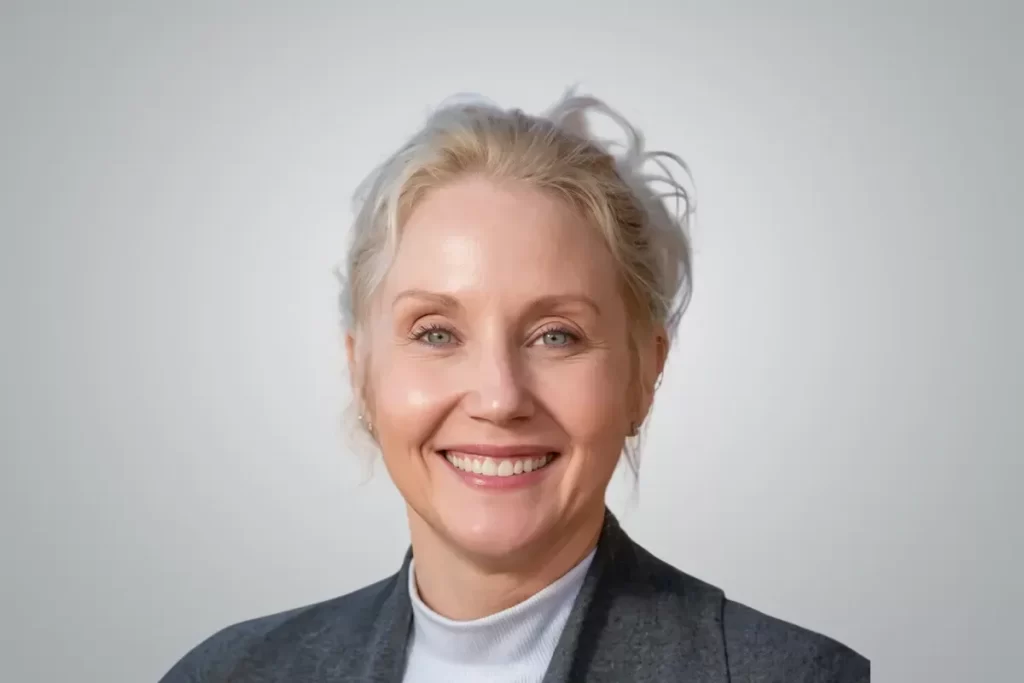
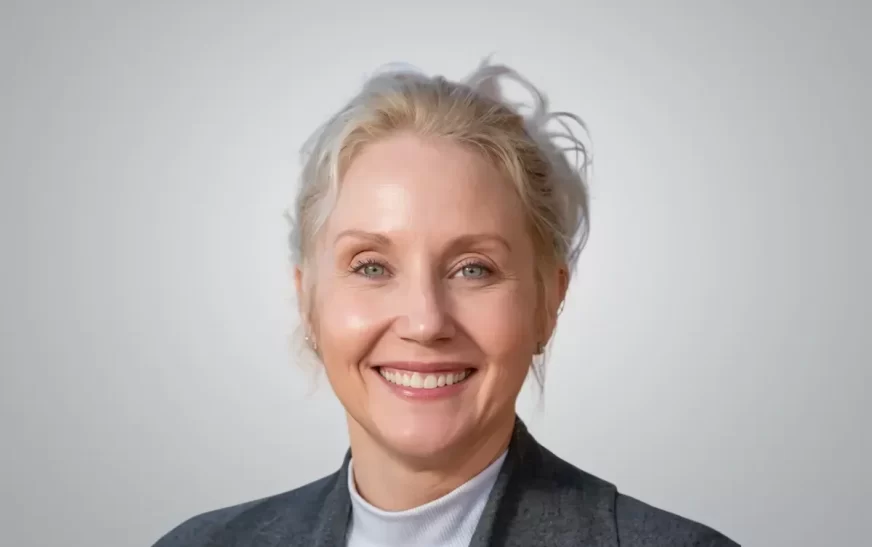
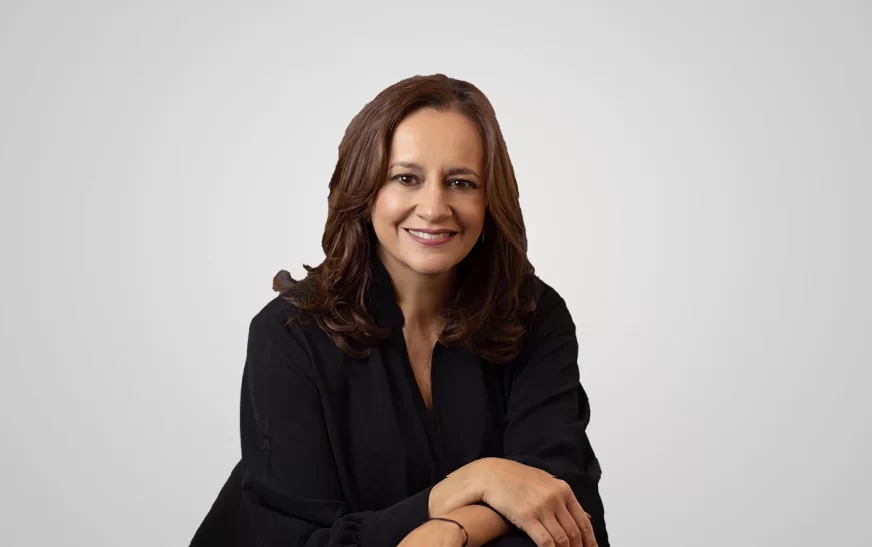
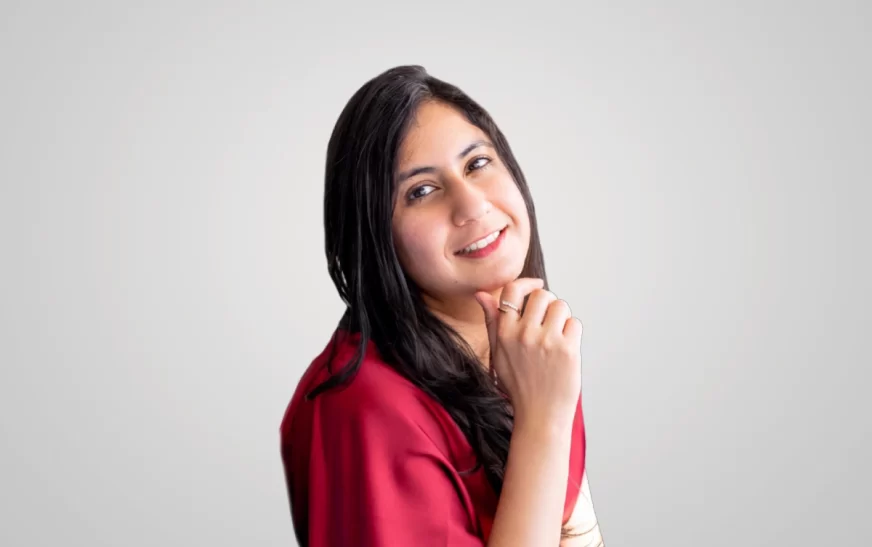
Dr. Kelly Waugaman-Most Empowering Women Leaders to Watch in 2026
What happens when a woman refuses to accept “that is how the industry works” as an answer? Kelly Waugamanhas spent more than two decades finding out. A Doctor of Audiology and Founder of Eldorado Audiology and Hearing Center™, she built her practice from the ground up with just $150 borrowed to open a business account, then taught herself the many sides of an organisation that no clinical degree could have covered. Curiosity became her advantage, pushing her beyond audiology into business, neuroscience, technology, cybersecurity, strategy and systems thinking. Along the way, she developed what she calls the mindset of a Pattern Reader, learning to notice what sits between the numbers, the behaviour and the story. Today, through Synchronic Intelligence™ and Clarean™, she is challenging conventional thinking about technology, leadership and what women can build when they refuse to stay inside predefined boundaries.TradeFlock explores the thinking, experiences and convictions shaping Kelly Waugaman’s unconventional approach to leadership and innovation.
What experiences shaped the person and leader you have become?
Leadership never came to me through one defining moment. It grew through situations that repeatedly required me to look beyond the obvious, make decisions without a roadmap, and understand why something can look very different in practice from how it was designed to work.
More than 26 years in hearing healthcare, including two decades under the mentorship of an industry legend, gave me a strong clinical foundation. Curiosity eventually pulled me much further, into business, neuroscience, technology, cybersecurity, strategy, analytics and systems thinking. Building Eldorado Audiology and Hearing Center™ in 2013 brought all of those lessons together. Starting with $150 borrowed for a business checking account meant learning everything from clinical care and reimbursement to hiring, marketing, sales, technology and cash flow.
Years of watching patients, employees, numbers and systems gradually taught me to recognise connections others might miss. That is where the idea of becoming a Pattern Reader really began.
What has healthcare taught you about bringing people, systems and business realities together?
One of the most persistent frustrations in healthcare is how rarely its different parts move at the same speed. Patients need individual attention, clinicians need room to practise well, employees need support and accountability, businesses need financial health, while technology, insurance and government requirements add further complexity.
Technology often makes the contradiction more visible. Systems designed to simplify work can leave professionals spending considerable time working around them. Similar problems arise when performance metrics are viewed without understanding the people or processes behind them.
Professional standards matter just as deeply. Credentials, education, clinical training, and scope of practice represent responsibilities patients should be able to trust, particularly when commercial interests and healthcare roles blur.
Years across clinical practice, business, government contracting, technology and leadership have reinforced one principle for me. An organisation cannot become sustainably better by fixing one part while ignoring the relationships connecting everything else.
What philosophy continues to guide your leadership and your vision for the future?
Being an introvert has probably influenced my leadership more than I understood earlier in my career. Attention naturally goes toward observing, listening and noticing what others might overlook, whether it is a contradiction, a change in behavior, or a moment when the numbers stop matching the story.
A simple philosophy has emerged through those years. Tell the truth, pay attention, protect what matters and make it better. Curiosity has kept that philosophy evolving, which is why my education and work have stretched from audiology into business, neuroscience, technology, cybersecurity, governance and organisational strategy. Artificial intelligence now raises another question. Technology should remove unnecessary friction without removing the human capabilities that make people valuable. The future worth building is one where intelligence works alongside people and makes them more capable.
I am still learning and still joking that I do not know what I want to be when I grow up. Perhaps remaining curious is exactly what keeps the work moving forward. I am not interested in simply following the future. I want to help design it.
“Leadership should strengthen people, not make them dependent upon the leader.”
Where has your Pattern Reader mindset taken your thinking?
A reporting system in my practice once showed nearly $100,000 in potential opportunities when the realistic figure was closer to $57,000. Another report suggested 24 hearing aids when the actual number was 17.
Those discrepancies could easily have led to a better dashboard. Instead, they made me question why the dashboard had become the primary way of interpreting the organisation in the first place.
Data was present, but context was missing. The system could not understand why an opportunity was realistic, what behaviour produced a number, what was happening elsewhere in the organisation or what patient story sat behind a transaction. That realisation pushed my thinking beyond better reporting toward technology that could understand relationships between people, systems and decisions.
Synchronic Intelligence™ grew from that question, with Clarean™ extending the idea into organisational technology. The ambition is not simply to improve existing systems. I am interested in asking what should exist next when the current model no longer makes sense.
What have your patients taught you about the meaning of good healthcare?
A person experiencing hearing loss rarely experiences it as an isolated clinical problem. A spouse may repeat more often, family members may begin speaking louder, conversations can become tiring and eventually someone may withdraw simply because participating requires too much effort. Even something as ordinary as dinner can become quieter.
Those details changed how I think about care. An audiogram matters and technology matters, but the person matters more.
Years with patients also showed me how quickly people recognise the difference between being genuinely heard and being processed, rushed or sold to. Clinical expertise gets you into the room, while trust determines what happens afterwards.
Empathic Audiology® grew from that understanding. The model brings evidence-based care together with the patient’s story, expectations, fears and goals, while also recognising the needs of the provider. Care for Both became an important part of that philosophy because clinicians who feel supported and trusted are better positioned to give patients the attention they deserve. People do not simply want to be treated. They want to be understood.