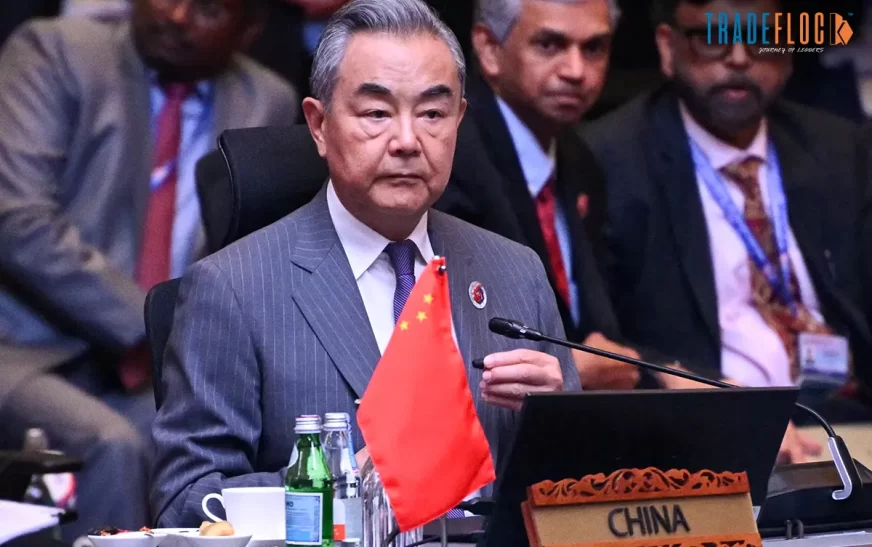
After a four-year hiatus, India has approved Chinese exports to re-enter the Indian market. The government is working diligently to process pending applications from local companies that want to import electronics components, footwear, everyday household items, steel products, raw materials, and other finished goods.
These imports need certification of the overseas manufacturing plant before they can be shipped into India. The approvals had been suspended since 2020, after border conflicts between India and China led to deteriorating diplomatic ties. Local factories received instant clearances, while permissions for overseas units, particularly those in China, were held up, resulting in supply chain disruptions.
The 4-year export break comes to an end as demand jumps sharply across consumer sectors, fuelled by GST cuts that prompted companies to slash prices to pass on the benefits of the September 22 rate deduction and clear inventories more quickly than anticipated.
Automobiles, large-screen televisions, washing machines, and dishwashers have all seen high demand, leaving producers struggling to restock. Waiting periods have occurred for premium electronics for the first time, and companies say the backlog could take weeks to resolve.
The Department of Promotion of Industry and Internal Trade (DPIIT) recently wrote to producers, addressing the situation, and asked for complete details on where the foreign manufacturers’ certification scheme is being delayed. The department has also pursued updated information from industry bodies and associations.
A senior government official said, “We will soon begin issuing and renewing licences for suppliers from several countries”, including China.
Earlier, the Chinese mega-dam in Tibet reduced water flows on a major river by up to 85% during the dry season. This has prompted India to fast-track its own dam projects to mitigate potential effects. Since the early 2000s, India has considered controlling water flow from Tibet’s Angsi Glacier, which supplies over 100 million people downstream in China, India, and Bangladesh.