Bringing Calm Inside Complex HR Systems
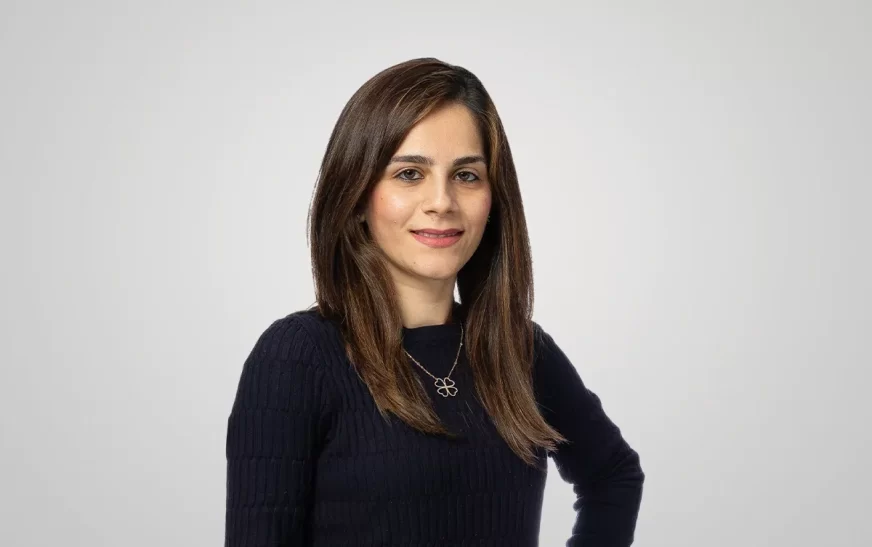
Catey Josephine Palmer
Founder and CEO
DuraSuite
Bringing Calm Inside Complex HR Systems
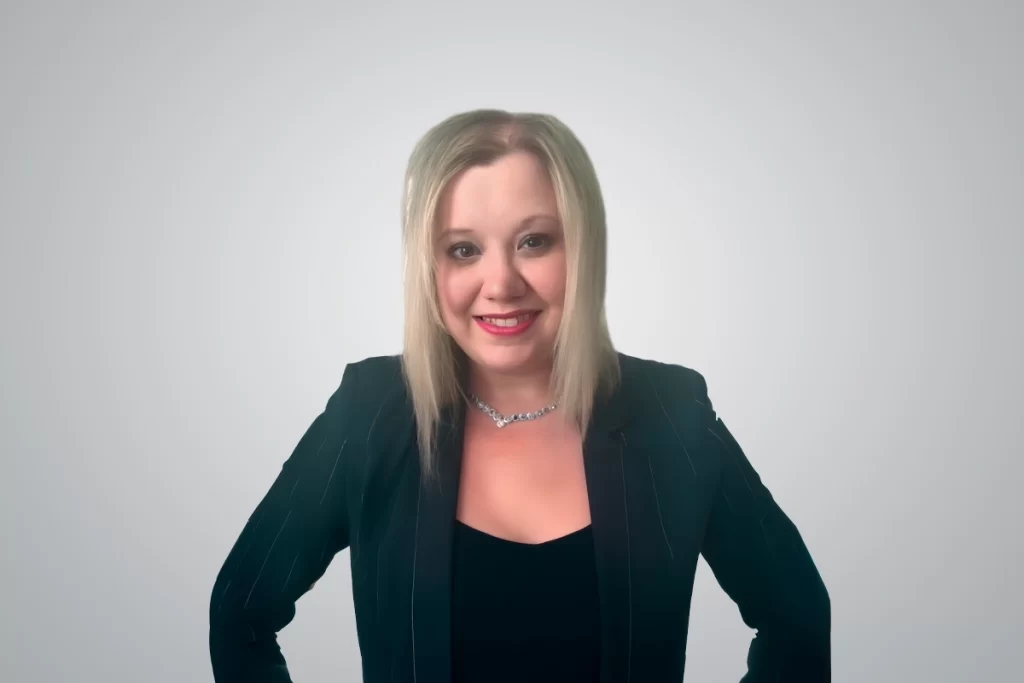
Catey Josephine Palmer
Founder and CEO
DuraSuite
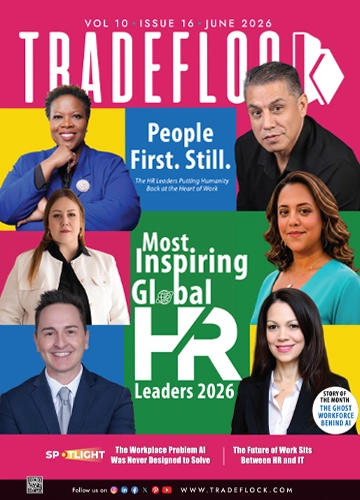
Catey Josephine Palmer-Most Inspiring Global HR Leaders 2026
There is a point in most organisations where growth stops feeling like progress and starts feeling like pressure. Not because people lack capability, but because the systems holding everything together were never designed to scale in the first place. The symptoms are familiar—teams working harder, decisions taking longer, and critical functions like payroll and compliance carrying risks that no one fully sees.
That tension is something Catey Josephine Palmer has spent over two decades working through from the inside. Having led global payroll and transformation programmes, she has seen how easily misalignment turns into instability, and how rarely organisations pause to question the structure itself. Building DuraSuite emerged from that realisation, not as a solution layered on top, but as a rethink of how these functions should operate together.
In an exclusive conversation with TradeFlock, she shares what it takes to bring clarity into systems under constant strain.
How has your journey across payroll, compliance, and operations shaped your perspective as a founder?
Working across payroll, compliance, and operations, you start to see things most people don’t. Not because they’re hidden, but because they sit in the spaces between functions. Payroll speaks one language, HR another, finance another, and yet the outcomes depend on all of them working together.
Over time, it became difficult to ignore how often organisations assume these connections are working, when in reality, they are quietly breaking down. Accountability becomes blurred, compliance becomes something people believe is happening rather than something they can clearly see, and inefficiencies build slowly until they turn into risk.
There came a point where continuing to work within those systems didn’t feel enough. The real question became why they were designed this way to begin with. That shift, from operating within systems to questioning them, is what led to building DuraSuite.
Building it independently has tested everything: discipline, resilience, and even patience. But it has also made the journey deeply purposeful, because every decision directly reflects what I believe organisations should be.
Which innovations in payroll and workforce management are creating real impact today?
There’s a lot of conversation around automation, but the real shift feels more fundamental than that. It’s not just about doing things faster; it’s about finally seeing things clearly.
For a long time, organisations have operated with fragmented data, different versions of truth depending on where you look. What’s changing now is the ability to connect that data in a way that actually makes sense. When information becomes structured, traceable, and consistent, something shifts. Decisions feel more grounded. Risks are no longer discovered late. Confidence starts to build.
What I’ve also seen is how this changes people. When repetitive work is reduced, teams begin to think differently about their roles. Conversations become more strategic, more forward-looking. There’s a sense of moving from managing tasks to shaping outcomes. The real impact, then, isn’t just efficiency. It’s clarity. And with clarity comes accountability, and eventually, trust.
What will define the future of global payroll and workforce management in the next five years?
The next few years will challenge how organisations think about their own structure. Functions that have traditionally been treated as support, payroll, HR, and compliance will no longer be able to sit on the sidelines. They are too connected to risk, decision-making, and employee experience.
What’s becoming clear is that these functions are not separate systems; they are part of the same operating fabric. The organisations that recognise this early will start building differently. They will connect their systems, align their workflows, and make accountability visible rather than assumed.
With DuraSuite, the focus has been on building towards that reality, not just tools, but an ecosystem that reflects how organisations actually operate. Looking ahead, success won’t come from doing more. It will come from seeing more clearly, acting with greater intention, and designing systems that genuinely work for people. Because in the end, organisations don’t fail due to a lack of effort, they fail when clarity is missing.
“Risk doesn’t appear suddenly; it builds quietly in the gaps we choose not to see.”
Where do organisations fall short in managing global payroll and compliance at scale?
In most cases, the problem isn’t capability, it’s disconnection. Organisations have the right people, the right intent, even the right tools, but those elements rarely come together in a way that creates clarity.
Spend enough time inside global operations, and you start to notice how fragmented things really are. Payroll doesn’t always know what HR is changing, finance doesn’t always see the full picture, and IT often sits one layer removed from both. Everyone is doing their part, but no one truly owns the whole.
What looks like a small gap, a missed handoff, unclear responsibility, and delayed information slowly builds into something much larger. Risk doesn’t appear suddenly; it accumulates quietly. Fixing this is not about adding more process. It’s about creating visibility, so people can actually see how their decisions connect to others. It’s also about giving these functions the respect they deserve. Payroll and compliance are still treated as back-office tasks, while in reality, they sit at the core of trust within an organisation.
What leadership challenge shaped how you built DuraSuite and your philosophy today?
One of the hardest parts of building DuraSuite wasn’t technical; it was restraint. With experience, you know how to build quickly, how to solve problems, and how to create features. The challenge was choosing not to.
There was a constant pull to move faster, to add more, to respond to every visible gap. But the question that kept coming back was whether it was actually meaningful. Not just functional, not just efficient, but meaningful in how it would change the way organisations operate. That meant stepping back and asking harder questions. What really needs to change? What are we solving for in the long term? Are we building clarity, or just digitising confusion?
Over time, it became clear that this was not about building a product; it was about building a system of thinking. One that reflects trust, accountability, and transparency in how organisations function. That challenge shaped everything, not just the platform, but how I lead. Build with intention, even when it’s slower. Because if the foundation is right, everything that follows has a chance to last.
All Magazines -

Success Insights
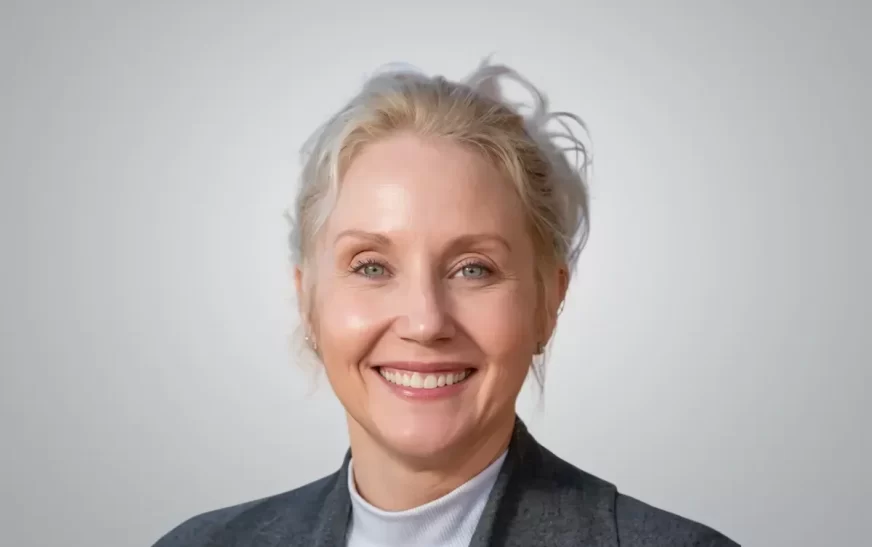
Dr. Kelly Waugaman-Most Empowering Women Leaders to Watch in 2026
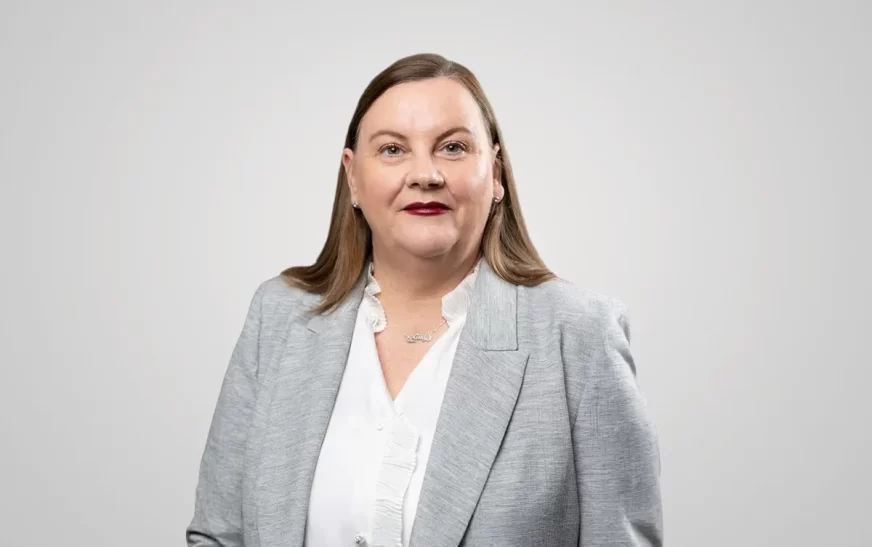
Roisin Wadding-Best HR Leaders from Asia 2026