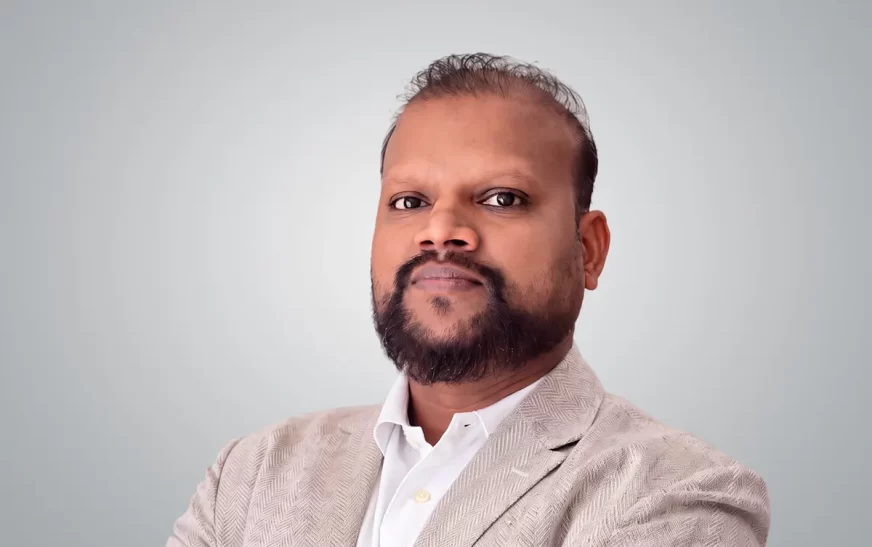
Turning Uncertainty into Strategy in the Age of Digital Education
Joseph Nakhle
Chief Executive Officer
STEAM Talents
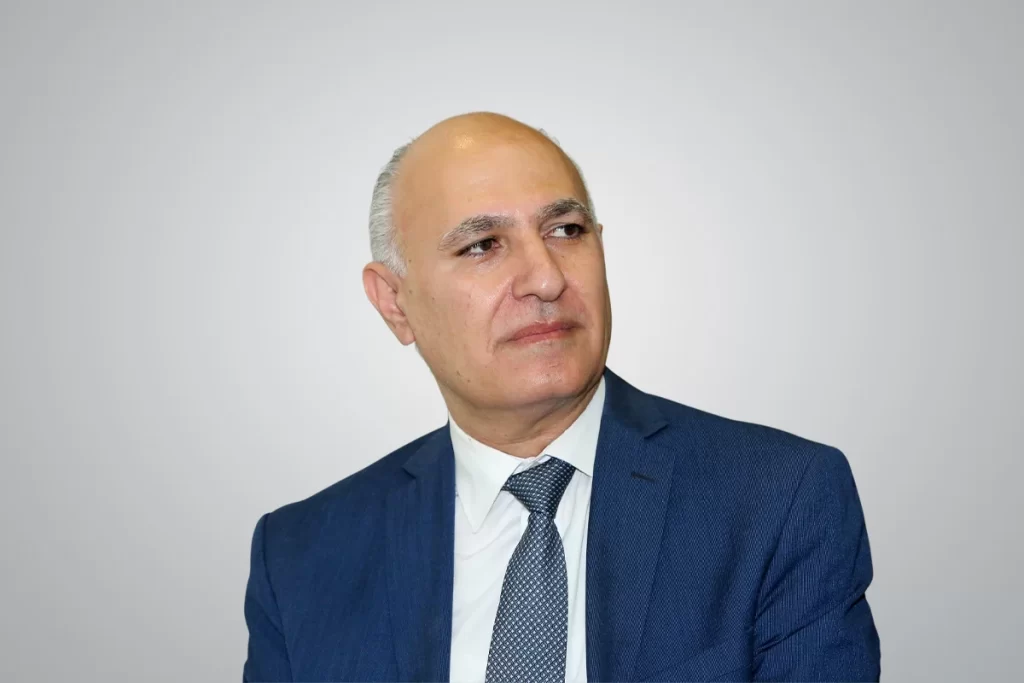
Turning Uncertainty into Strategy in the Age of Digital Education
Joseph Nakhle
Chief Executive Officer
STEAM Talents
Joseph Nakhle-10 Best Tech Leaders from Asia 2026
Structured adaptability is the thread that runs through every phase of Joseph Nakhle’s leadership journey. It enables him to remain anchored in a clear, long-term vision while staying fluid in execution. This is an essential balance in today’s fast-evolving, disruption-led world. This ability has defined his approach to navigating uncertainty, not as a challenge to be managed, but as an environment to lead within.
With over three decades of experience in education technology and digital transformation, Joseph has consistently translated complexity into clarity for institutions and learners alike. His work spans the integration of robotics, digital tools, and experiential learning into education systems, helping them evolve in line with emerging technological realities. As the founder and CEO of STEAM Talents, he has been instrumental in building platforms and programmes that prepare students and educators for a future driven by innovation and interdisciplinary thinking.
What distinguishes Joseph’s leadership is his deep understanding of the human side of transformation. He recognises that while technology advances rapidly, people require time, trust, and direction to adapt. This insight drives his emphasis on continuous listening, forward-looking scenario planning, and transparent communication, ensuring that change is not only implemented but meaningfully embraced.
From leading IT functions and mentoring as a certified Microsoft trainer to contributing to educational technology initiatives and committees, his journey reflects both depth and purpose. Through his work, Joseph continues to shape learning ecosystems that are not only future-ready but also resilient, inclusive, and built for lasting impact. How? Let’s read here.
How do you continuously improve your skills and avoid stagnation as a trainer?
Teaching has been my greatest learning tool. Every training session forces me to rethink assumptions, update examples, and stay relevant to educators’ and institutions’ needs. I deliberately position myself as both instructor and student.
I maintain three personal disciplines: First, I invest time every week in exploring emerging technologies, particularly AI, robotics, and digital learning platforms, not only at a conceptual level but also through hands-on experimentation.
Second, I regularly engage with younger professionals and students. Their questions often reveal where the future is moving faster than established systems. Third, I collaborate internationally. Exposure to different education ecosystems prevents intellectual stagnation and encourages continuous reinvention.
Learning is not a phase in a career; it is a leadership responsibility.
What counterintuitive leadership lesson do you believe most leaders overlook?
A counterintuitive lesson I learned early is that control does not create stability; trust does. Many leaders respond to complexity by tightening control, increasing procedures, and centralising decisions. In reality, this often slows innovation and weakens team ownership.
In fast-changing environments, empowering teams to experiment responsibly creates resilience. When people feel trusted, they act with greater accountability and creativity. The leader’s role shifts from directing every action to creating the conditions for others to succeed.
Another overlooked lesson is that clarity matters more than certainty. Leaders do not always need to have all the answers, but they must communicate direction and purpose with honesty. Teams can handle ambiguity; what they struggle with is silence.
What is the biggest shift in education and skills today, and how can professionals stay relevant?
The most significant shift is the transition from content delivery to capability development. For decades, education systems focused on transferring information. Today, with AI and digital tools making information instantly accessible, the real value lies in developing human capabilities: critical thinking, creativity, collaboration, and ethical decision-making.
Artificial intelligence is accelerating this transformation. It is not replacing educators; it is redefining their role from information providers to learning architects and mentors.
My advice to professionals is simple: Do not compete with technology; collaborate with it. Develop skills that machines cannot easily replicate adaptability, empathy, systems thinking, and creativity. Stay curious. Stay interdisciplinary. And above all, remain open to re-learning your profession multiple times throughout your career.
Those who see change as an invitation rather than a threat will remain relevant.
How do you balance ambition with team wellbeing and pass it on to future leaders?
Ambition is essential for progress, but sustainable ambition requires emotional intelligence. I approach this balance through phased vision: defining a bold long-term goal while breaking it into achievable milestones that teams can realistically execute.
Wellbeing is not separate from performance; it is a prerequisite for it. I encourage a culture where progress is measured not only by outcomes but also by the health and development of the people achieving them. Regular reflection, open dialogue, and celebrating small wins help maintain momentum without burnout.
To pass these traits to future leaders, I focus on mentorship and modelling behaviour. Leadership is learned less from instruction and more from observation. When emerging leaders see that it is possible to be ambitious and humane, decisive and reflective, they internalise that balance.
Ultimately, leadership is about building systems that continue to grow long after the leader steps aside. Preparing others to lead responsibly is the most meaningful legacy any leader can leave.
All Magazines -




Success Insights
Ravindranath Garaga-Best CXOs in Asia 2026
Dr Tharindu Samarajeewa-Asia’s 40 Under 40 2026