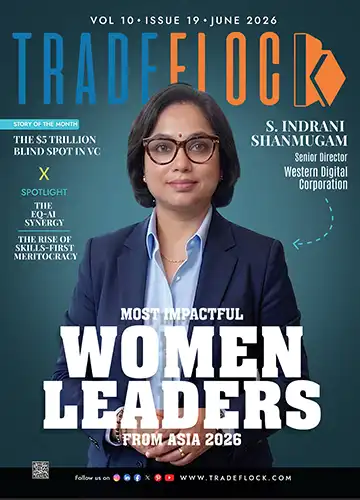
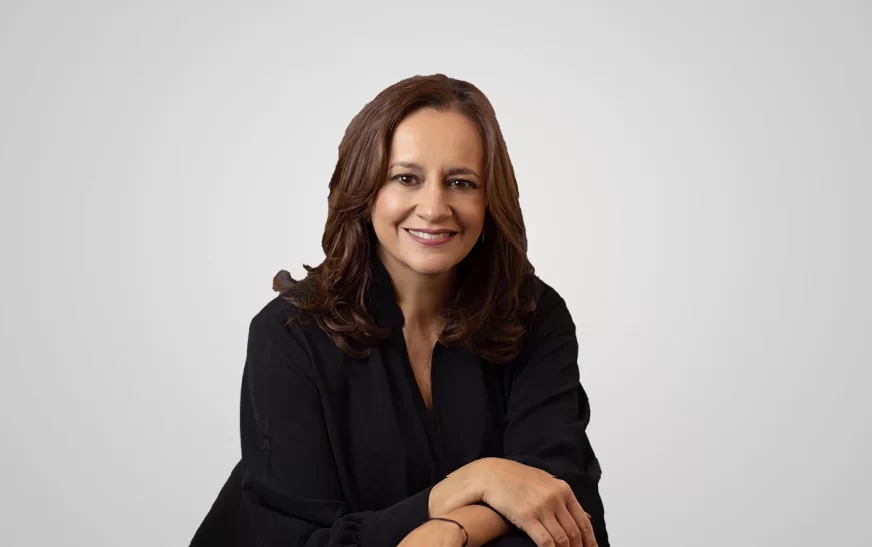
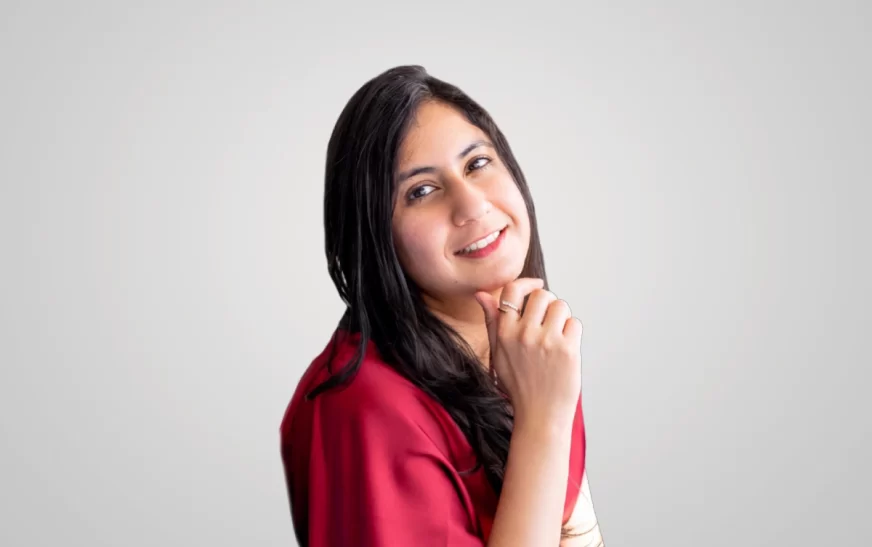
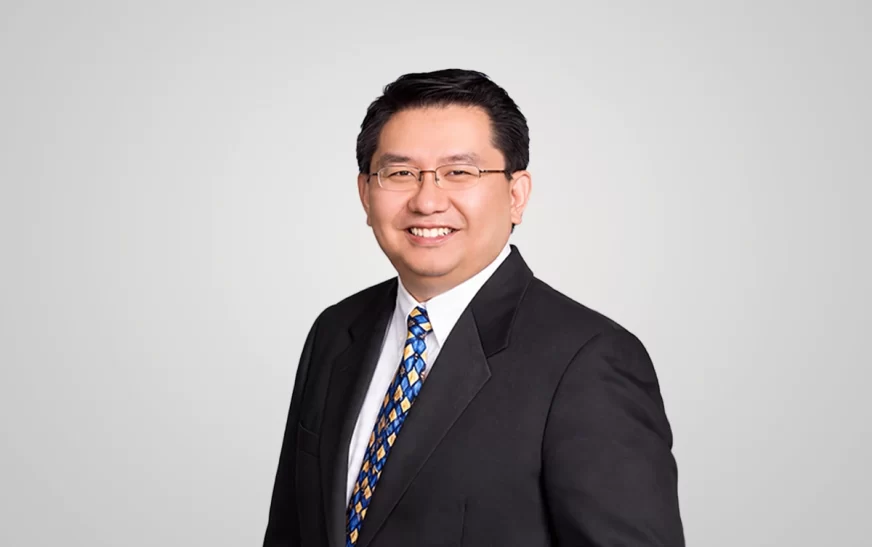
Stella Gurgova-Most Empowering Women Leaders to Watch in 2026
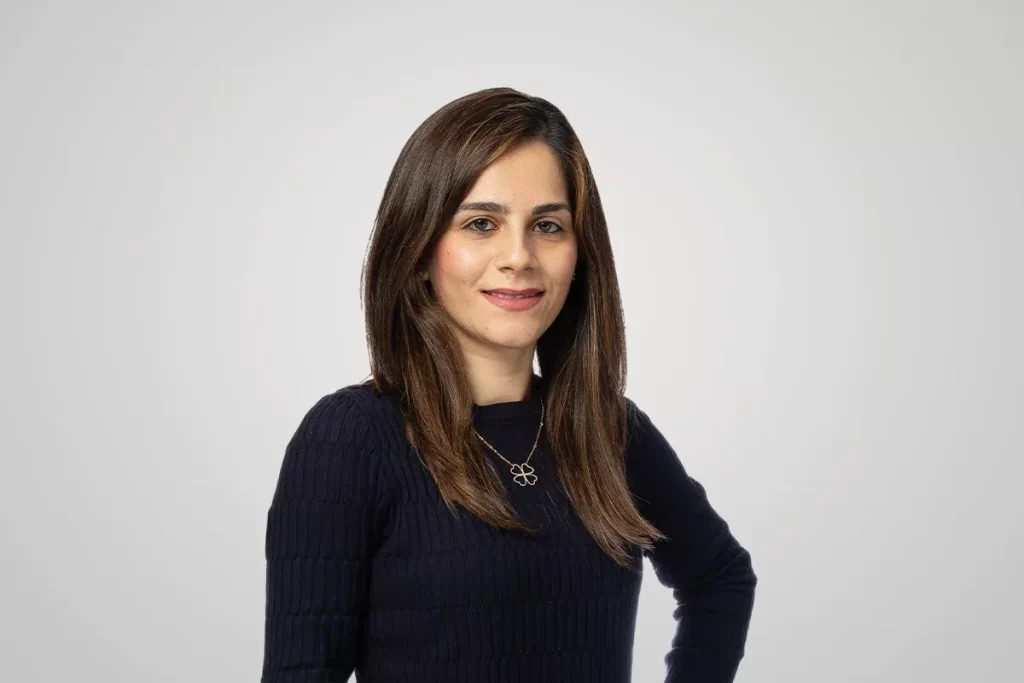
Sometimes the paths we never planned to take lead us to the careers we were meant to do. Stella Gurgova’sjourney into clinical research began almost by chance, when an unexpected opportunity introduced her to a field she knew nothing about. More than 15 years later, Stella has grown from a clinical research coordinator into the Founder and CEO of ES Clinical Research Group, while pursuing her doctoral degree and navigating a field transformed by technology. Her story is shaped by curiosity, courage and a willingness to keep learning, even when the next step is uncertain. Today, Stella is building a company that manages clinical trials for well-established clinics across New York City and Long Island while building a way for science, ambition and family to grow together. In this conversation with TradeFlock, Stella shares the experiences, choices and lessons that continue to shape her leadership and vision for the future of clinical research.
What made you choose clinical research, and how has the journey been so far?
I still remember being approached by my now mentor about an internship in clinical trials and research, thinking, “What is that? I have no idea what that is.” While I was in nursing school at the time, I had started to realise nursing was no longer where my interests were positioned.
Something about that opportunity made me curious enough to try it. I enjoyed being a part of clinical trials appreciably more to change my major from nursing to health science and gradually build a career in clinical research. Looking back now, I realise how significant that decision was. I went on to earn my Master’s Degree in clinical research administration, and I am currently in the final weeks of completing my doctoral degree.
What makes the beginning of this journey especially meaningful to me is not having a clear picture of what I was doing and where I was going. My now mentor saw potential in me and my ability to grow in this field before I could see it for myself. Sometimes an opportunity does not arrive with a clear explanation of where it will take you. You have to be willing to take an unknown opportunity and discover its possibilities along the road.
As clinical research advances from paper to technology/AI, where does technology still fall short?
When I joined clinical trials in 2009, everything was paper. We had paper source documents, regulatory binders, and we were faxing documents over to the sponsor. Sites did not have CTMS and EDC systems or the technology we have today. Now I can access anything I need through my phone or laptop from anywhere in the world, and that has made a tremendous difference in how we manage our time, careers, family and personal lives.
Clinical trials, patient study visits, patient recruitment and protocol development have benefited significantly from the technological advances. Yet, I believe sometimes we overlook that technological progress does not imply everyone is ready to make that transition at the same pace. I see this with the elderly population. Patient-reported outcomes can be difficult for patients who are not comfortable with electronic phones, iPads, or laptops. Even with clinical research training, including investigator meetings, has changed from in-person to virtual meetings. With much of it now happening remotely, some still prefer the in-person setting or even using printed training materials.
AI is bringing another major change to the field of clinical research, although not everyone has incorporated it into their workflows yet. I think that will be an important next step for clinical trials. Technology should improve and ease the process of bringing clinical trials from phase 1 through phase 3, and eventually to FDA approval.
How did an unexpected transition into biotech during COVID shape your growth?
COVID forced many of us to reconsider how we worked, and I had to make that decision personally, too. I had been working on-site in clinical settings for almost a decade before the COVID era. COVID forced many of us to work remotely, no longer allowing us to operate clinical trials in the clinic setting as we had before. I decided to transition into biotech and joined a small pharmaceutical startup company in New York City.
I did not know exactly what that move would bring when I made that decision, but it became an important part of my career growth. I learned so much from that experience and do not regret the decision to transition from the clinical setting to biotech.
Something similar happened at the beginning of my career when I changed from nursing towards clinical research. Both moments required me to step into something I did not completely know. Looking back, I think that willingness to learn has been an important part of my journey. Each experience gave me something that helped prepare me for the next one.
How has building your career alongside motherhood shaped your ambitions?
Having two young children has made me look at ambition a little differently. One of the things I find most rewarding is being able to build a business while being there for my family and my children, while still continuing my education and working toward my doctoral degree. I did not want professional growth to come at the expense of being present in my children’s lives. At the same time, I did not want parenthood to put my own professional growth on hold. Being able to pursue all three has been personally rewarding. This experience also influences how I work with other women. I strongly support work-life-family balance because I understand how important that flexibility can be. I want women to take on the opportunities to grow professionally without feeling like they have to leave an important part of their personal lives behind to succeed.
What has your own journey taught you about finding the right direction?
I did not expect to be where I am today when I first started almost 15 years ago. I am doing much more than I imagined I would be capable of at that time. Even my motivation to continue excelling in my career and education developed over time. One lesson I have carried with me is not to be afraid to ask for an opportunity. One of the physicians I still work with has taught me that the worst answer you can get is “No”. Even when the answer is no, you made the effort to try. My advice is to learn the next big thing. We moved from paper to electronic systems, and now we are learning AI. I do not know what comes next, but I do know that the motivation and desire to learn will only benefit you. Take the training, ask questions and keep growing.
Networking is huge! Go to conferences, attend dinners, meet physicians, coordinators, project managers, directors and CEOs. You never know which conversation might introduce you to the next big opportunity. My own journey is probably the best example I can give. I did not know what clinical research was when I first heard about it. I simply decided to take the opportunity to find out.
“Don’t be afraid to ask. The worst answer you can get is ‘no’.”