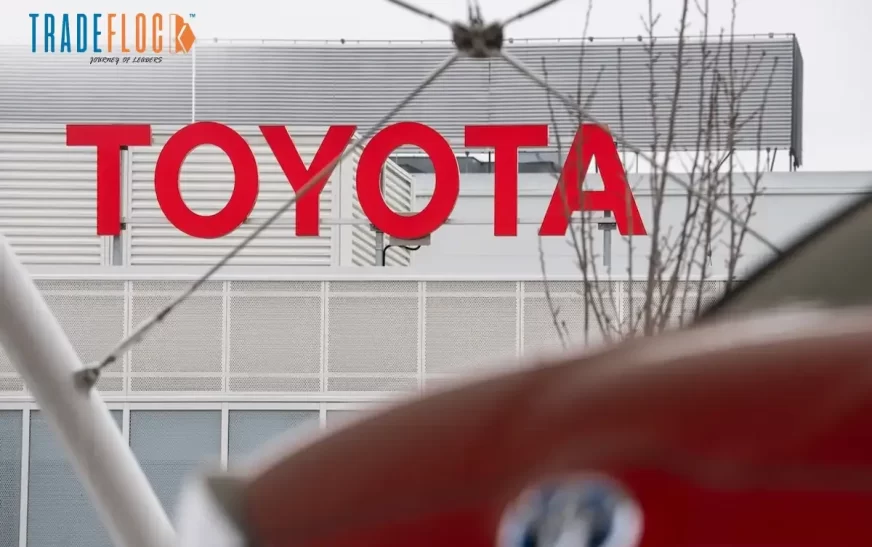
The Japanese automotive manufacturer has recently confirmed that it will expand its production lines in Texas at a cost of about $2 billion. It seems that all the leading car manufacturers are planning to increase the scope of their production facilities in America. According to the documents submitted to the State of Texas, the plan includes the construction of an additional assembly line within the existing plant of Toyota located in San Antonio. This expansion is set to bring up to 2,000 new jobs within the next few years. In case of no obstacles, construction of the facility referred to as “Project Orca” can be launched this year, with the beginning of production scheduled for 2030.
Toyota builds its current Sequoia and Tundra trucks at its Texas location. Companies adapt it to market shifts, changing conditions between trades, etc. Analysts say the company can add a second assembly line at their Texas factory and therefore increase the number of trucks produced at this facility. Other manufacturers have followed suit by moving their production facilities closer to their major customer bases to help prevent losing out due to disruptions in the supply chain, such as with COVID and trade restrictions. Toyota has long said that producing vehicles in the same region where they sell is one of the best ways to grow its company. And, in doing so, the investment in their Texas plant will help Toyota in its effort to be a larger manufacturer in North America.
Read More: Malaysia’s GDP Growth Slows to 5.4% in Q1, slowing from Q4
This year, the company announced further investments in manufacturing sites in Kentucky and Indiana related to their long-term growth tactic. Texas officials are currently evaluating a request for incentives, which could include tax incentives and local development initiatives. It is anticipated that these benefits would have a very large, positive impact on the local economy by creating jobs, providing new opportunities for suppliers, and increasing the quality of their infrastructure. This represents a plan to show how automotive manufacturers are changing their manufacturing network due to changes in trade policy, greater demand for vehicles made in the United States and increased competition.