Why the rise of ‘Ghost Supply Chains’ proves modern business survival requires more than just cost efficiency.
The most important supply-chain lesson of the past five years has not been diversification. It has been preparedness! Business leaders have spent years responding to disruptions that arrived with little warning. Pandemic shutdowns, geopolitical tensions, and shipping bottlenecks repeatedly exposed the fragility of highly optimised supply networks. Efficiency delivered impressive cost savings. It also reduced room for error.
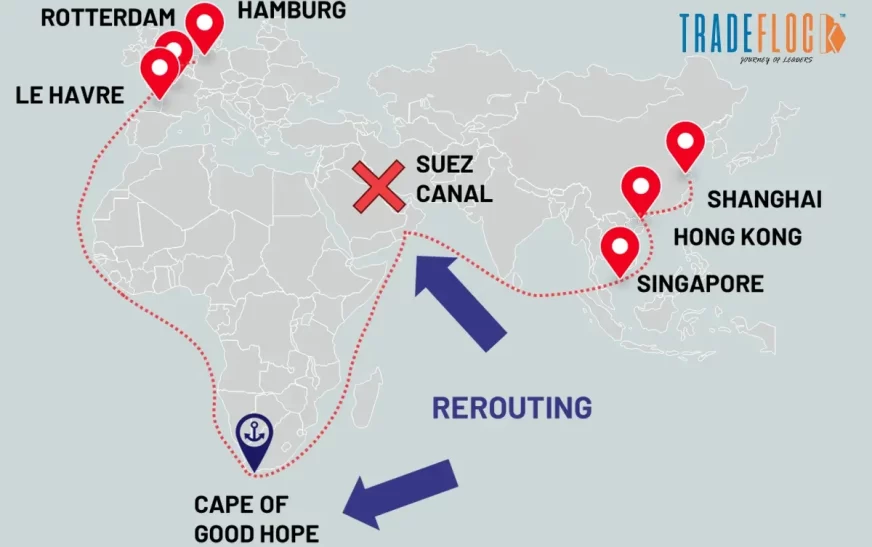
A new approach is beginning to emerge among some of the world’s most resilient companies. Industry observers increasingly refer to it as the “ghost supply chain” model: secondary suppliers, dormant production facilities, backup logistics routes, and alternative sourcing networks maintained in a state of readiness.
According to the World Economic Forum, supply-chain disruptions continue to rank among the most significant operational risks facing global businesses. A factory sitting idle for months can appear expensive. A factory available during a crisis can preserve revenue, customer relationships, and market share. But most of this capacity isn’t being tested, and untested redundancy decays quietly. Certifications lapse, trained staff move on, and specifications drift out of alignment, none of which show up on a balance sheet until the day the backup is actually called on.
Ghost Supply Chain Helps Sustain Business
When, on March 17, 2000, a lightning strike ignited a fire at a Royal Philips Electronics shared chip plant supplying both Nokia and Ericsson, Nokia’s backup sourcing relationships were sufficient to redirect orders within days; Ericsson’s were not, and it absorbed the shutdown, which contributed to its later exit from the handset business. Both had backup options on paper. Only one had enough options to work.
Leaders should stop evaluating redundancy solely through the lens of cost. They should evaluate it through the lens of survivability. In an environment where volatility has become a permanent feature of business, ghost supply chains deserve recognition as one of the most practical forms of strategic insurance available today.
FAQs
What exactly is a 'ghost supply chain' model?
Why do traditional backup supply chain plans often fail during a real crisis?
How does the Nokia and Ericsson case illustrate the power of ghost supply chains?