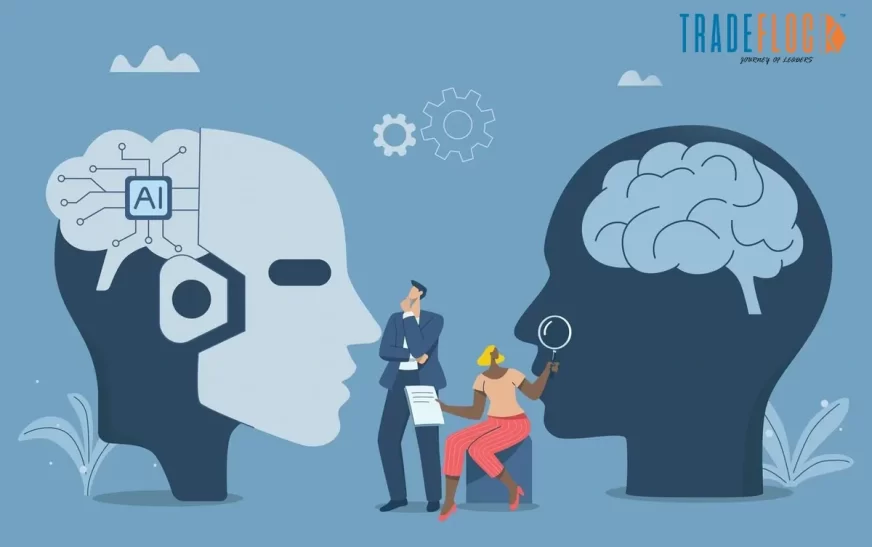
The debate about AI and cognitive decline is protecting the wrong people.
The organisations spending money on AI-free leadership retreats are solving the wrong problem. The cognitive risk from generative AI lies with the analysts and associates who entered the workforce without ever building independent analytical capability and have no prior skill to retreat to protect. According to McKinsey’s State of AI: Global Survey 2025, more than 70% of organisations now use generative AI in at least one business function. The tools arrived before the developmental guardrails did.
Leaders are beginning to call this the ‘cognitive tax’, the hidden cost that accumulates when generative tools absorb the intellectual effort that should have built human capability in the first place. A decade from now, it will surface as a leadership bench that cannot think without a prompt.
The Skill that was Never Built
A growing cohort of analysts and associates has entered the workforce without ever producing a research memo, a financial model, or a strategic recommendation from scratch. AI drafts were present before the skill was. Removing AI access during a leadership retreat changes nothing for this group. There is no prior capability to protect.
Strategic judgement forms in the same way physical strength does through resistance. Junior professionals have historically spent years gathering information poorly, building arguments that did not hold up, and defending conclusions under pressure. That friction was the process through which expertise, creativity, and original thinking formed. Removing it early produces people who have learnt to present thinking they never did.
What it Costs the Organisation
Employees who never develop independent analytical capability plateau earlier, contribute less to innovation cycles and require more senior oversight across their careers. Company growth depends on people who can identify problems that a model was not trained to see. When that capability is missing at the junior level, organisations lose it at every level above. When entire cohorts are trained inside the same AI-assisted workflows, outputs converge. Competitive differentiation becomes harder to sustain when every team begins from the same machine-generated baseline.
The shift required is from AI-First to Human-First, AI-Enabled. It requires early-career employees to complete research, analysis, and recommendations without AI assistance before granting full drafting access. The organisations that build genuine capability in junior talent now are the ones that determine who leads the next decade.