Tradeflock Asia

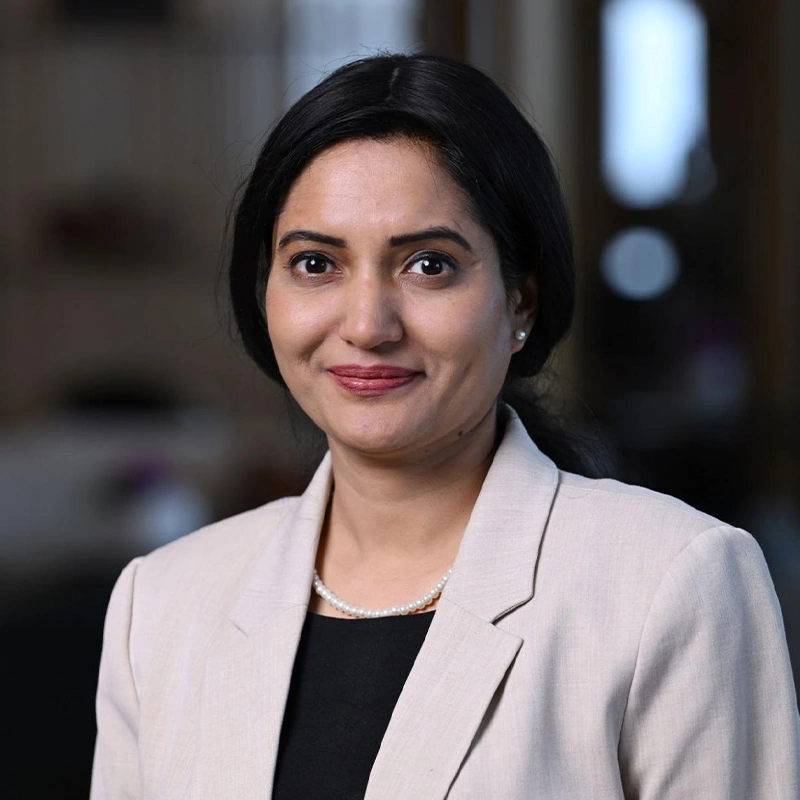
Namita Patwari  

CHRO, Alembic Pharmaceuticals Ltd

Namita Patwari, Chief Human Resources Officer at Alembic Pharmaceuticals Ltd, is a transformational people leader known for shaping high-performance cultures and building future-ready talent. With a deep conviction that soft skills are the true differentiators of modern leadership, she champions empathy, communication, and adaptability as the core drivers of long-term success. At Alembic, Namita leads strategic initiatives that elevate human potential, strengthen leadership pipelines, and prepare teams for a rapidly changing world. Her voice is a powerful reminder that while hard skills get you noticed, it is soft skills that create influence, trust, and lasting impact.


Hard skills can help you get in the door, but soft skills are essential for growth. While technical expertise might secure a job, it’s your soft skills, like communication, empathy, and adaptability, that determine how you develop, lead, and influence in a company. As workplaces evolve to become more dynamic and people-focused, these qualities are becoming more important.

What Makes Soft Skills So Difficult to Build

Unlike hard skills, soft skills aren’t learned through textbooks or online courses. They are developed through real-life experiences, reflection, and continuous behavioural change. Understanding leadership or communication in theory is one thing; applying it consistently is another.

Soft skills demand openness, humility, and a willingness to accept feedback—even when it’s uncomfortable. They often require unlearning old habits and adapting to different interpersonal dynamics. This makes their development deeply personal and often slower than expected.

Soft Skills Can't Be Measured—But They’re Always Noticed

Soft skills are hard to quantify. You can’t earn a certificate in empathy or critical thinking. Instead, these qualities reveal themselves through actions, responses, and everyday interactions. Feedback is crucial for growth, but it’s often subjective and nuanced.

Real-World Application Is Key

Soft skills cannot be developed in isolation; they require real-world practice through group discussions, team projects, client meetings, or leadership roles. These experiences push individuals to adapt, listen, collaborate, and lead purposefully.

Why Soft Skills Are Business-Critical Today

Organisations now seek individuals who can communicate clearly, handle stress, and navigate change effectively. Emotional intelligence enhances teamwork, while strong communication builds trust and clarity. Leaders today must inspire—not just instruct.

Adaptability, critical thinking, and time management are no longer optional. In fast-changing industries, professionals who embrace change and support others through transitions add significant value.

How to Strengthen Soft Skills

Improving soft skills begins with self-awareness. Seek feedback, identify gaps, and take on unfamiliar responsibilities. Engage with diverse teams, initiate conversations, and observe how others lead or collaborate.

Small, genuine interactions like checking in with a colleague build trust and rapport. These daily habits form the foundation of leadership and influence.

The Takeaway

 Soft skills are subtle but powerful. They don’t come with instant results, but over time, they define professional success. In today’s workplace, where collaboration, clarity, and human understanding matter more than ever, soft skills aren’t optional—they’re essential.