In a major step to alleviate economic tensions, the US and China have temporarily lifted tariffs on one another’s goods as part of a 90-day trade truce. This marks a watershed moment in the trade war between the two largest economies in the world.
The U.S.-China tariff reduction deal will reduce US tariffs on most Chinese imports from 145% to 30%, while China will reduce tariffs on US products from 125% to 10%. The tariff rollback is initially limited to 90 days. It is intended to provide relief to exporters and soothe an anxious global market.
Scott Bessent, the US Treasury Secretary, said neither country wants economic decoupling, and they agreed that cooperation and respect are critical to bilateral relations. Bessent, along with US Trade Representative Jamieson Greer and Chinese Vice Premier He Lifeng, attended the meetings in Geneva that resulted in this agreement. Goyal
The agreement includes a truce in which the US will suspend 24 per cent of tariffs imposed on April 2, including sensitive items like chemicals for fentanyl production. China committed to stable relations and stated it had produced a white paper to reiterate mutual respect.
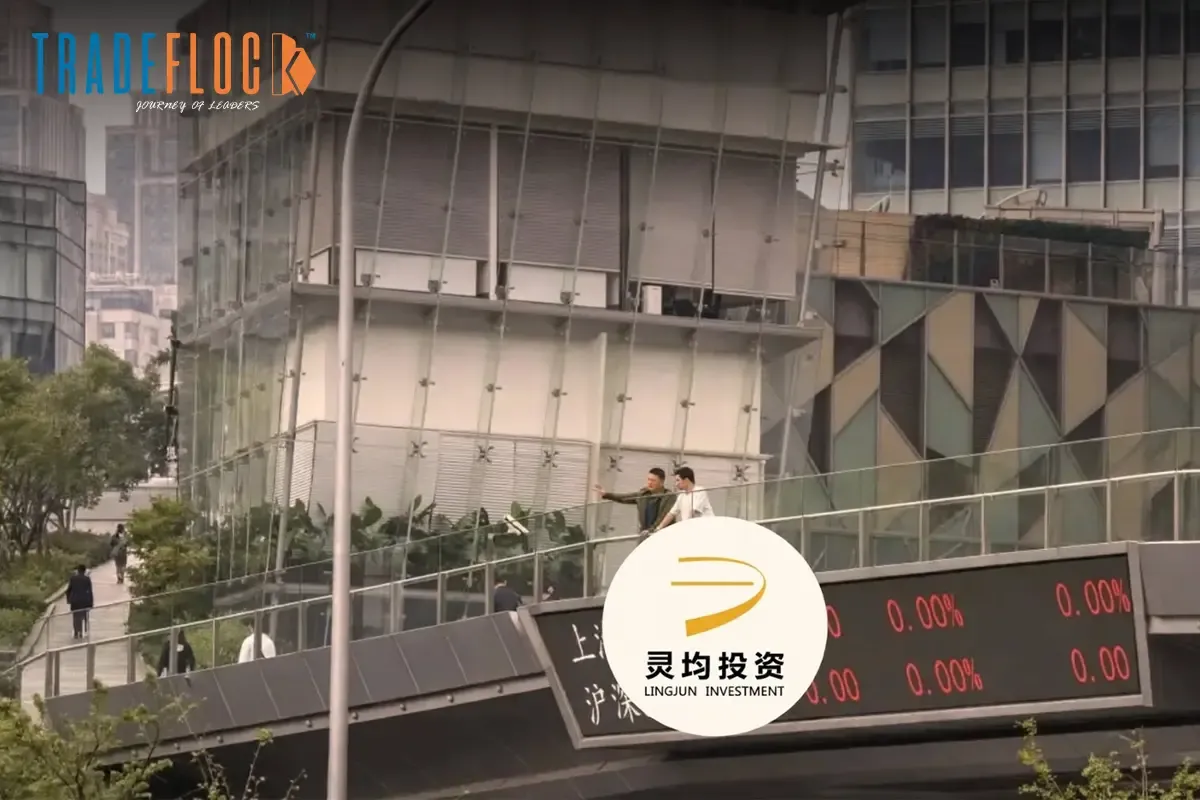
Markets welcomed the news release. S&P 500 futures were up between 1.1% and 1.4%, and Nasdaq futures were up by 1.9%, reflecting tentative investor optimism. However, the colour of devices that forecast optimism will soon evaporate and never last.
In a related move, Hong Kong Post suspended sea and airmail delivery of US goods, calling US trade policies “unreasonable and bullying.” The air mail halt is set to begin on April 27.
The US-China tariff reduction is tangible evidence of progress in easing trade tensions, but the future is uncertain. The White House should release further details through a joint statement later this week to influence market expectations.
As negotiations develop, the global focus will continue to be on whether this 90-day truce will lead to a lasting agreement.