Tradeflock Asia

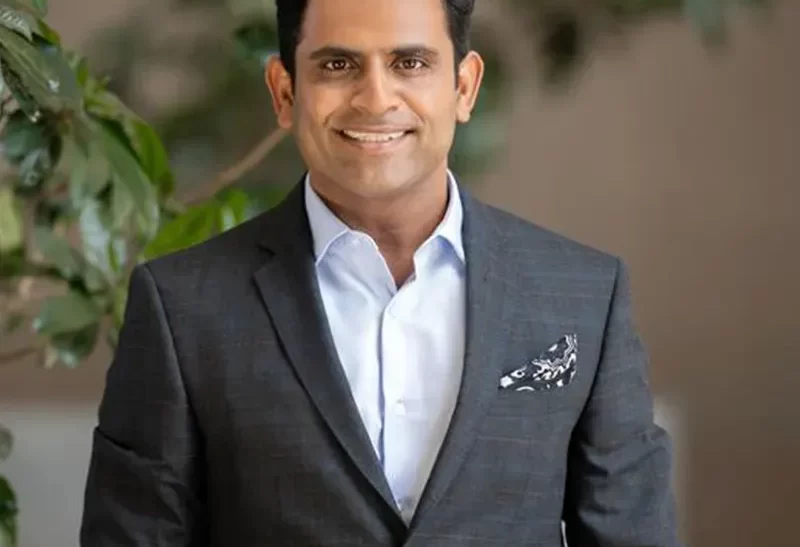
Rajiv Mathur  

Chief Executive Officer, KEDMAN Skilling Private Limited (SkillEd India)

Rajiv Mathur is an experienced Chief Executive Officer with a strong background in both non-profit and for-profit sectors. As a strategic leader in education, EdTech, and national initiatives, he specialises in building partnerships, fundraising, and fostering public-private collaborations. Currently, he leads an EdTech organisation and has authored 33 books, playing a significant role in large-scale capacity building and policy impact.
If you want proof that the workplace is changing faster than we realise, sit in a meeting where the youngest team member is asked to “take notes.” They will smile, open three apps, share a digital board, tag everyone, set reminders, and automate follow-ups — all before the rest of us find the mute button.

This is not impatience.
This is intelligent work.
And it is changing the way organisations think.

Productivity is not About Hours Anymore

The next generation measures productivity very differently. They are quick to ask:
“Does this actually contribute to the outcome?”

Which explains their reaction to some everyday corporate favourites:

Daily update meetings: “Can’t we replace this with a tracker?”
Long email chains: “Let us just create one shared space.”
Repetitive tasks: “Why are we not automating this?”

They are not trying to cut corners — they are cutting clutter.

Creativity Has Become a Mixed-Media Sport

Young professionals present ideas with an unusual blend of precision and playfulness:

A clean dataset,
A quick sketch straight from the lunch table,
A short AI simulation,
A diagram drawn in five seconds,
And a meme that somehow explains the entire strategy better than anyone expected.

This is not a lack of seriousness.

It is a refusal to separate creativity from work.

Decision-Making Has Accelerated

In earlier years, decisions required three meetings, a PPT, and a few signatures.

Today’s approach:

Test fast → Learn fast → Improve fast.

A young team member will confidently say,

Give me three hours, and I will run a small pilot.

By evening, they will have data, feedback, and an updated recommendation.

They are not rebelling against hierarchy — they simply believe speed is a competitive advantage.

What Leaders Can Learn from Them

The new workplace rewards:

clarity over routine,
experimentation over perfection,
collaboration over authority,
purpose over process.

Organisations that adapt will find their teams becoming sharper, faster, and more human.

Because the future of work is just not a trend.

It is already seated in the next cubicle, politely asking if this meeting really needs to be one hour long.

And truthfully, this shift is just the beginning. As intelligent work becomes the norm, organisations that embrace it will not only move faster — they will think smarter, collaborate better, and build cultures where people feel energised, not exhausted, by the work they do.