The HR Leader Who Learned Policy from the Store Floor, Not the Boardroom
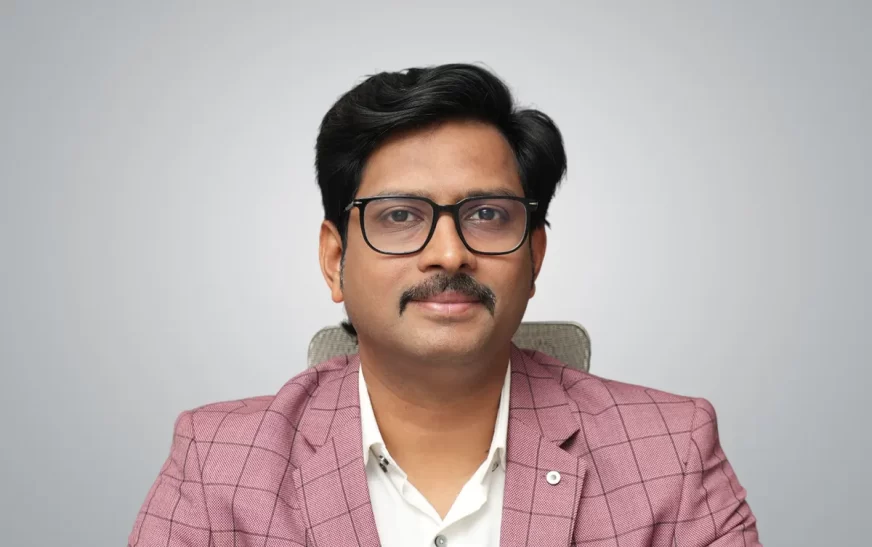
Patricia C. Parungao
Chief People & Culture Officer
Savvycore Global Inc.
The HR Leader Who Learned Policy from the Store Floor, Not the Boardroom
Patricia C. Parungao
Chief People & Culture Officer
Savvycore Global Inc.
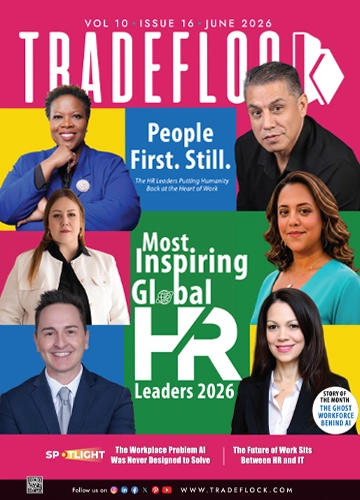
Patricia C. Parungao-Best HR Leaders from Asia 2026
Long before Patricia C. Parungaowas leading people and culture functions, she was learning one of her most important lessons about work from places far removed from the boardroom. Her early HR career took her through beauty retail and food operations, where the realities of a store floor or kitchen could quickly expose the limits of a policy designed from behind a desk. What looked clear and reasonable on paper did not always make sense in practice. Patricia began paying closer attention not only to the policy itself but also to the environment around it: how people actually worked, what shaped their behaviour, and why the same approach could produce very different outcomes depending on the context.
That curiosity would become a throughline in her career. With a background in psychology, Patricia learned to look beneath what was immediately visible. As her work expanded into organisational leadership and later innovation and venture building, so did the questions she asked. Rather than accepting a practice because it was established, she became more interested in whether it still served the people and the business it was meant to support.
Today, Patricia is the co-founder and chief people and culture officer of SavvyCore Global Inc., where she oversees people and culture and HR service delivery across its client portfolio. Her work has contributed to organisations receiving distinctions at the HR Excellence Awards Philippines, while she herself has twice been nominated for HR Leader of the Year. Yet the perspective that shaped her career remains rooted in that early experience: understand what is really happening before deciding what needs to change.
Speaking exclusively with TradeFlock, Patricia shares more about her journey and work.
What people strategy exceeded your expectations, and why did it work?
I introduced 30- and 90-day check-ins for probationary employees across our clients. I initially saw them as a way to get better feedback from new hires, but they ended up revealing much more: gaps in department onboarding, unclear policies, outdated job descriptions, and mismatched expectations.
Instead of treating each concern as an isolated comment, I started looking for patterns. I brought recurring themes to leadership without identifying employees, and those conversations led to changes in onboarding, role clarity, and work arrangements.
What started as a listening exercise became an early-warning system. It showed me that employee feedback becomes much more useful when you have a way to turn what you hear into something the organisation can actually act on.
How do you balance business outcomes with employee care, and what advice would you give HR leaders?
I use a simple test: can this decision apply fairly to the next person, and can the business sustain it over time?
When a finance leader recommended pay adjustments for employees taking on additional responsibilities, I agreed that the work deserved recognition. But I did not want to solve one case by creating an exception that would be difficult to explain later.
We reviewed how the responsibilities were being distributed and built a consistent approach. Within six days, we released a policy on temporary role expansion and compensation review.
For me, employee care and business discipline are not opposing forces. A good decision should be fair to the person, defensible to others, and sustainable for the organisation.
If not HR, what profession would you choose, and what connects it to HR?
I would probably have worked in filmmaking, most likely as a cinematographer. I love movies, but I am just as interested in how they are made.
Cinematography appeals to me because it combines technical discipline with close observation. Lighting and framing shape what an audience notices, while camera movement can change how a scene feels without changing the dialogue.
I see a similar discipline in my work now. Employee data can show a pattern, but context shapes how that pattern should be understood.
In both, you have to pay attention not only to what is in front of you but also to what may be sitting just outside the frame.
Which HR practice is overdue for change, and what would you replace it with?
I think we put too much weight on exit interviews. They still have value, but by the time you ask why someone is leaving, the opportunity to retain them may already be gone.
I once reviewed a year of separation data where 71% of employees who left were still on probation, with a median tenure of only three months. Learning what went wrong was useful, but too late.
I would put more emphasis on structured entry interviews during the first few weeks and months. That is when unclear roles, weak onboarding, mismatched expectations, or a need for manager support can still be addressed.
I would keep exit interviews but treat both as data. The better question is not only why people left, but also what we could have seen earlier.
What technology mindset shift can give HR a stronger seat at the leadership table?
HR needs to move beyond using technology simply to make the function more efficient. The bigger opportunity is using it to help the organisation understand its workforce better.
Employees were repeatedly asking HR questions already answered in our handbook and memos, so I built an in-house AI assistant that pulls from approved policies and process guides. It reduced response time from hours to minutes, cites its sources, and knows when to route more sensitive concerns to a person.
That solved an access problem, but it pointed to something bigger. HR holds signals across engagement, attendance, attrition, performance, and workload, yet these are often viewed separately.
The next shift is workforce risk intelligence: connecting those signals so leaders can spot risk earlier and make better decisions.