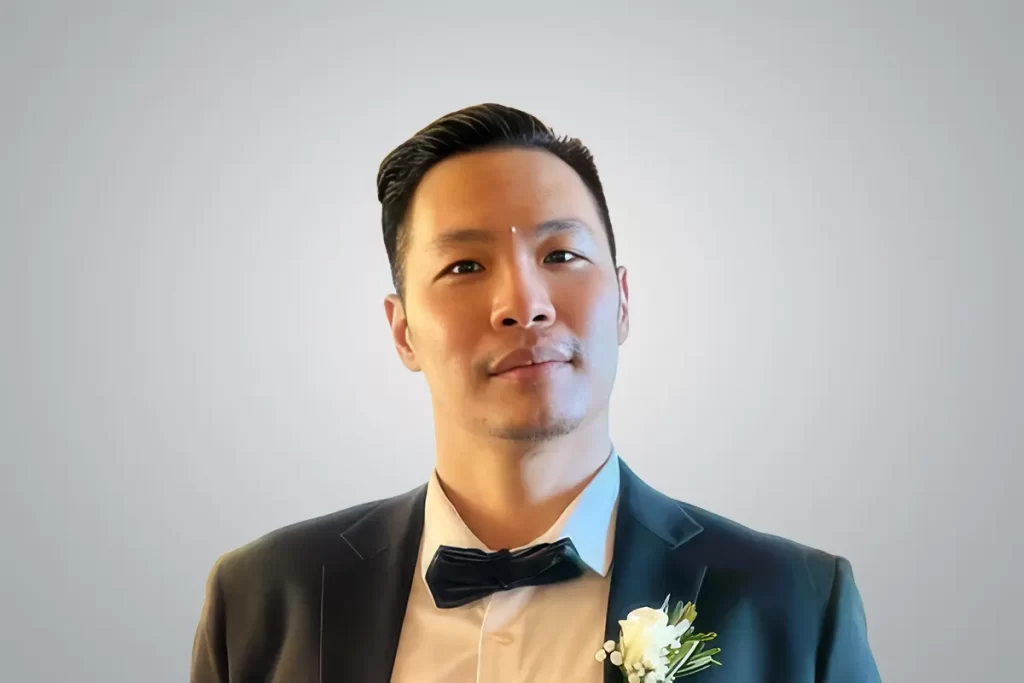
The more responsibility Myles Yeo Tangained, the more he realised he had to give away. That insight marks the evolution of a leader who began his career in sales, learning to listen, understand people and earn trust before ever stepping into the boardroom. Myles’ journey eventually led to the role of COO at Ilyon Industrial, but the ascent also challenged his early belief that leadership meant having every answer and driving every outcome personally.
With experience came a different understanding: leadership is strongest when responsibility is multiplied through trust. Today, Myles focuses on building capable teams, improving business processes and creating sustainable value, while resisting the temptation to make technology a substitute for sound fundamentals.
When speaking with TradeFlock, Myles reflected on this transformation and on a philosophy rooted in servant leadership, stewardship and the belief that leaders should leave people stronger than they found them.
From starting in sales to becoming COO of Ilyon Industrial, which milestones and experiences have shaped you most as a leader?
My journey began in sales, where leadership was learned through listening, earning trust and understanding what people needed. I started with customers and earned my way into the boardroom, eventually becoming Chief Operating Officer of Ilyon Industrial. The role was a milestone, but the preparation behind it mattered more. My Executive Diploma in Supply Chain and Six Sigma Yellow Belt strengthened my operational judgement, while Toastmasters, JCI Manila and Rotary developed my communication and service mindset.
Mentors taught me that wisdom must be shared. Over time, my definition of success changed. I once measured it by how high I could rise. Today, I measure it by how many people rise because I chose to lead.
Where do you see the biggest opportunities for industrial companies to improve efficiency and operations?
The greatest opportunity for industrial companies is removing waste while increasing value, rather than simply cutting costs. Significant gains can come from better inventory management, procurement, logistics, energy efficiency and closer coordination between sales and operations.
I believe many profitability challenges are process problems disguised as cost problems. My approach is simple: data first, ego last. AI and automation can expand these opportunities, but technology cannot fix broken processes. Companies must first build stronger systems for technology to improve.
The critical question is not, “Where can we spend less?” but “Where can we create more value with the resources we already have?” Cutting costs may protect the next quarter; better systems can protect the years ahead.
What's a leadership habit you've had to unlearn as your team or responsibility grew?
I had to unlearn the belief that being responsible meant being involved in everything. As responsibility grows, the instinct is often to control more. I learned the opposite: the more responsibility I received, the more I needed to give away.
My background in sales taught me to communicate with confidence, while technical analysis taught me to make disciplined decisions under uncertainty. Experience also showed me that humility keeps leadership honest. When leaders always need to be right, people stop sharing what is true.
Today, I focus on asking better questions, explaining the thinking behind decisions and giving people genuine ownership. Delegation, to me, is not abandoning responsibility; it is multiplying it through trust. I once believed leadership meant being indispensable. Now, I believe it means building a team I can depend on.
What challenges shaped your approach to leadership, decision-making and business growth?
Rising into leadership early taught me a dangerous lesson: that leadership meant having every answer and personally driving every result. I eventually realised that mindset limits both the leader and the people waiting for permission to think independently.
Balancing business and civic commitments forced me to rethink how I carried responsibility. I developed a simple filter: “Is this truly mine to carry?” Not everything on my desk is mine to solve. That discipline reshaped my leadership. I listen before I lead and understand before I decide. I learned that a team that cannot function without its leader is not truly empowered; it has simply built a dependency.
The leader who tries to carry everyone eventually limits everyone. The leader who teaches others to carry responsibility creates capacity, confidence and sustainable growth.
What leadership philosophy guides you today, and what defines a truly successful leader?
My leadership philosophy is rooted in biblical servant leadership: stewardship over status, service before recognition and responsibility before reward. Titles, wealth and opportunities are not possessions; they are entrusted responsibilities, carrying an obligation to leave people and organisations stronger. The question I ask is not, “How much have I gained?” but “Who has grown because of what I was given?” We should not use people to build our success; we should use our success to build people.
For me, legacy now matters more than achievement. Leadership is not about making people follow you; it is about developing leaders others will choose to follow. I measure success less by quarterly numbers and more by whether people are better equipped because I led them. I spent years building a résumé; now, I want to build a legacy.