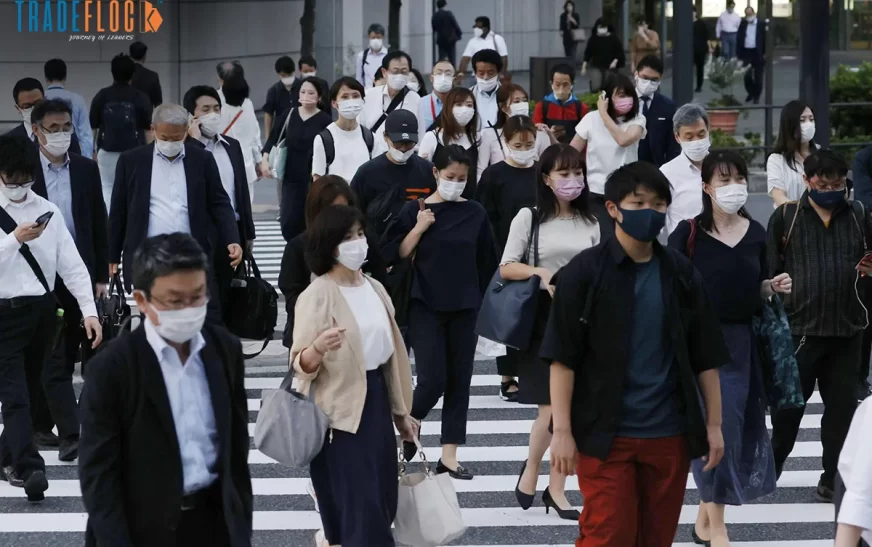
Japanese firms have settled on a 5.25% increase in average wage this year, and this is the highest increment in 34 years and the third successive high-growth year. This comes in reaction to extreme labor shortages and attempts to cushion the workers against inflation.
The last increase of wages by the Rengo labor union group, the largest in Japan which has 7 million members, was announced on Thursday. This is after a 5.10% increase last year and a 3.58% increase a year earlier, and this shows some considerable change in the decades of stagnant wages.
Also Read: Saudi Arabia and Indonesia Sign Deals worth about $27 billion, says the State News Agency.
A Reuters poll in January found that two-thirds of Japanese firms see labor shortages as having a serious effect on business. Unlike workers elsewhere upset by inflation, Japanese workers have gained bargaining power. A government official said there’s a growing consensus among companies that pay rises above inflation are necessary, now considered the new normal. Japan’s core consumer price index, excluding fresh food prices, shows about 3.7% inflation, with rising fresh food prices adding to consumer concerns.
Persistently rising wages are crucial for sustaining the consumption-led recovery, which is necessary before the Bank of Japan (BOJ) increases interest rates again. Mizuho Research predicts wages will grow by 4.7% next year, assuming oil prices ease, tariffs pressure and support U.S. corporate earnings. Saisuke Sakai, chief Japan economist at Mizuho, said momentum will strengthen in early 2024, and he expects the BOJ to start raising rates then.