Bangladesh is taking steps to improve its trade with major global markets. The country is preparing to start formal talks with the European Union (EU) for a Free Trade Agreement (FTA). At the same time, Bangladesh is working to join the Regional Comprehensive Economic Partnership (RCEP).
Commerce Minister Khandakar Abdul Muktadir told The Daily Star that Bangladesh and the EU have already exchanged letters agreeing to start free trade negotiations. “We are hopeful that we will get the date of engagement for the negotiation with the EU after August,” he said. Both sides have named their chief negotiators; an additional secretary from Bangladesh’s Commerce Ministry will lead talks on Dhaka’s behalf, with the EU fielding its own trade representative.
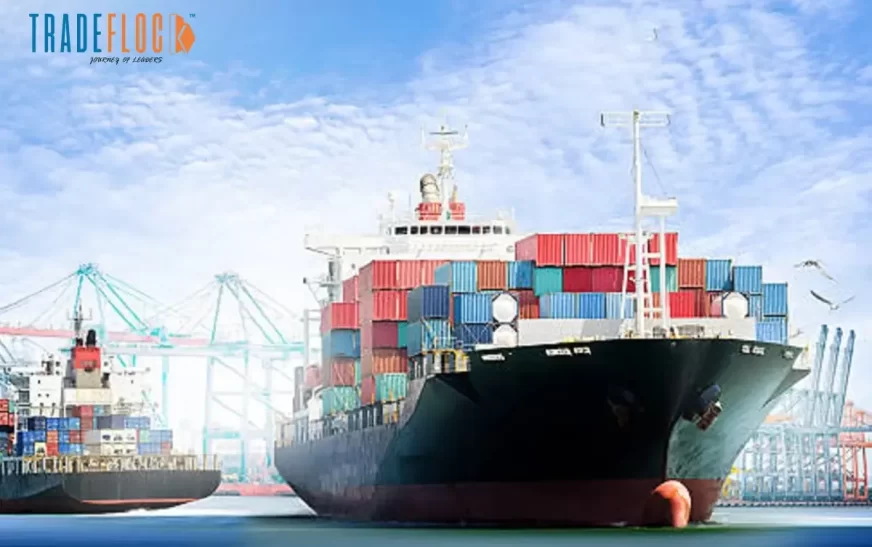
The EU is Bangladesh’s biggest export market. In 2025, trade between Bangladesh and the EU was worth €23.3 billion. Bangladesh had a large trade surplus of €19.1 billion. Textiles made up about 94% of Bangladesh’s exports to the EU. Bangladesh also benefit from the EU’s Everything But Arms (EBA) scheme, which allows duty-free access for many products. In 2024, around €19 billion of Bangladeshi exports received these benefits.
Bangladesh wants to be a part of RCEP, which’s a big trade group in Asia and the Pacific. This group has 15 countries in it, like China, Japan, South Korea, Australia, New Zealand and the 10 countries that are part of ASEAN. RCEP is really important because it covers 30% of the whole world’s economy.
The Commerce Secretary, Md Ataur Rahman Khan, is going to Australia and New Zealand to ask for their help so Bangladesh can join RCEP.
Muktadir said Bangladesh has cleared the early hurdles for RCEP entry and has an edge thanks to existing trade agreements with Japan and South Korea. He stopped short, though, of giving a timeline for when membership might actually happen.