Making People the Core Advantage
Crystal E. Rizzuto
Owner & CEO
The HR Shoppe
Making People the Core Advantage
Crystal E. Rizzuto
Owner & CEO
The HR Shoppe
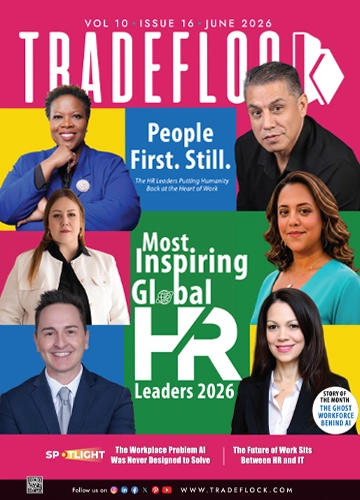
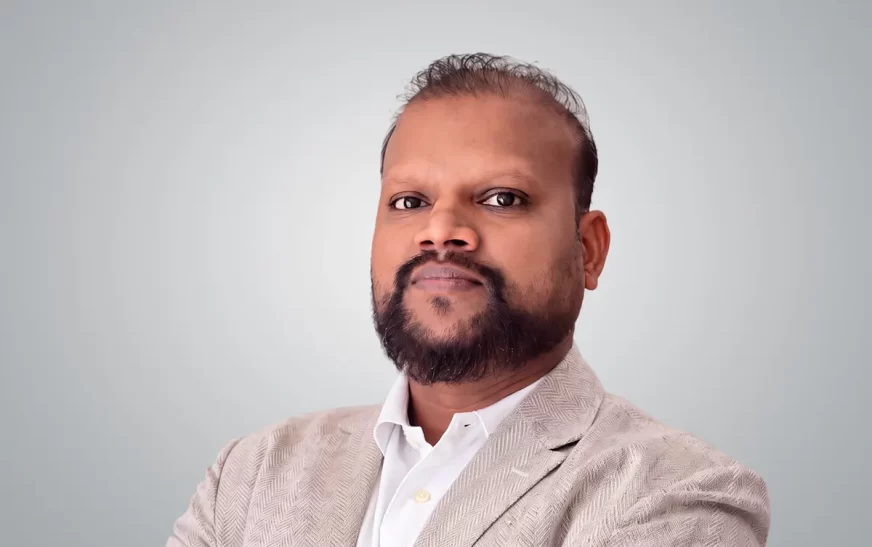
Empowering leadership is often most visible in what happens to the people around a leader. Crystal E. Rizzuto, Owner & CEO of The HR Shoppe, has spent more than two decades building that kind of influence through the moments when organisations and their people face the most change. Her career has taken her through acquisitions, integrations, restructurings and rapid workforce growth, including leading HR for 1,100 employees across six businesses at Johnvince Foods and supporting 1,700 employees across seven businesses at Toro Group of Companies. At Toro, she built an HR team spanning talent acquisition, HRIS, labour relations and employee support, while launching the organisation’s first disability programme, leadership development initiatives and President’s Award programme. Today, through The HR Shoppe, she brings that experience to small and mid-sized businesses through fractional HR support. Her journey offers a grounded view of women’s leadership as an ability to create stronger leaders, more inclusive workplaces and opportunities for others to move forward. TradeFlock interviewed Crystal to explore that philosophy.
The greatest leadership lesson I have learned is that people do not necessarily resist change. They resist being left in the dark. Throughout my career, I have led through acquisitions, restructuring, rapid growth, layoffs, and significant organisational change, and those experiences taught me that communication and transparency can matter just as much as the business strategy itself.
Early in my career, I focused heavily on finding the right HR solution, but experience gradually taught me to understand how people would actually experience that solution. Employees can handle difficult news when leaders are honest, respectful, and willing to explain the why behind a decision. That understanding has made me a more empathetic leader who tries to balance business realities with the human impact of every decision.
I remind myself that difficult decisions can still be made humanely because employees may not like a decision, but that doesn’t mean it has to be handled without compassion or integrity. Consistency, confidentiality, transparency, and respect guide me, while facts, business requirements, legal obligations, and fairness should always carry more weight than personalities or politics.
I also believe strongly in being able to look an employee in the eye and explain why a decision was made. Trust isn’t created by always giving people the answer they want. It is created when people know you will be honest with them, even when the answer is difficult.
Technology should make HR more efficient, but it should never make HR less human. HRIS technology can transform processes, improve data accuracy, and reduce administrative work, while automation, analytics, documentation, and consistency allow HR professionals to spend more time on strategic work. Yet conflict, performance issues, terminations, employee relations, and leadership decisions still require human judgment because a system can tell you what happened without always telling you why.
Sometimes an expert simply needs to roll up their sleeves, get in front of a room, and train people through their own know-how because seeing is believing. People listen when you know how to make an impression and speak their language, and building relationships through communication has always been central to my expertise.
Looking back, the common thread throughout my career has never really been HR. It has been people, business, problem-solving, and leadership. I have always been drawn to complex situations where I can understand what is not working, bring people together, challenge the status quo, and create a better path forward. As a woman and minority who has built a senior leadership career in Canada, I have also learned the value of resilience, credibility, relationships, and an understanding of employment law.
Women have come incredibly far, but there is still work to do around equality and representation in leadership. I believe women need to step into those roles not simply with ambition, but with the knowledge, business acumen, and leadership skills to succeed once they get there. The HR Shoppe gives me the opportunity to take everything I have learned and help organisations and the people within them become better, stronger, and more successful.
Many organisations still treat employee engagement as an HR initiative rather than a leadership responsibility. Companies invest in surveys, engagement programmes, and workplace perks, yet sometimes overlook employees’ everyday experience with their direct leaders. You cannot build a great culture with a pizza lunch if employees do not feel heard, respected, or valued by their manager.
Greater emphasis needs to go toward leadership accountability because how managers communicate, develop people, recognise performance, and address conflict directly affects retention and productivity. HR can provide the framework, but leaders create the employee experience, which is why I have always believed people strategy needs to be part of business strategy rather than something operating beside it.
After more than 20 years in senior HR leadership, including organisations employing more than 3,000 people across Canada and 35,000 globally, I realised there was an enormous gap for small and mid-sized businesses and international companies wanting to work with Canada. My business partner, Angela, and I bring more than 40 years of combined HR experience, including deep knowledge of Canadian employment law, best practices, and what makes or breaks workplace cultures.
The HR Shoppe gives businesses access to experienced HR leadership through a mobile, practical model that can combine executive-level expertise with automation and virtual solutions. We can customise policies, contracts, and programmes for Canadian employees while supporting businesses through a one-time package or as they continue to scale. Our goal, however, goes far beyond compliance.
Diversity, equity, inclusion, and accessibility matter because I have seen firsthand the barriers faced by women, newcomers, people with disabilities, and other underrepresented groups. A disability employment initiative I introduced in 2025, in partnership with the York Region District School Board, gave graduating students with disabilities opportunities to enter the workforce, build skills, and see themselves as valued contributors. Watching managers embrace the opportunity and become part of something bigger than their day-to-day roles showed me how far HR can reach. The organisation was later recognised with the City of Vaughan’s Accessibility Champion Award in May 2026, but the greatest reward was seeing the impact extend beyond one organisation.