Eswaran Brothers Exports (Pvt) Ltd. and group of companies
The Human Thinking Behind Responsible Leadership
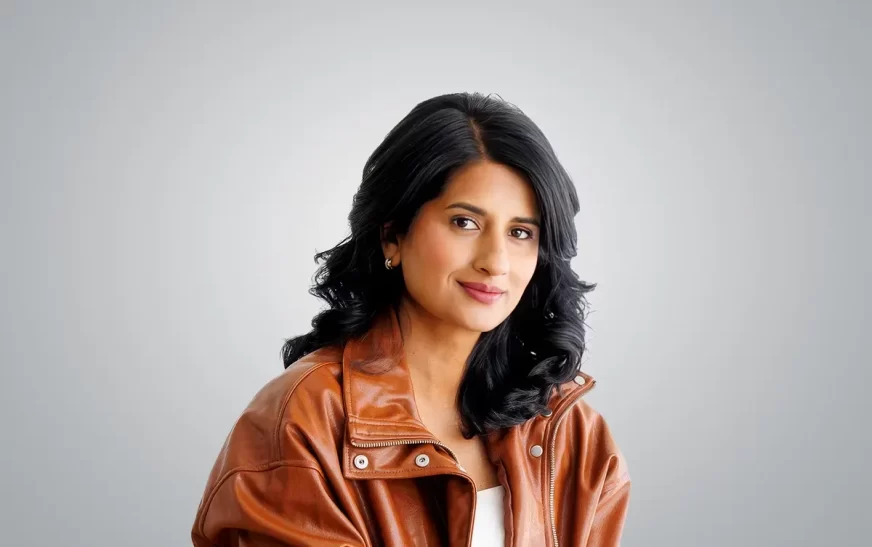
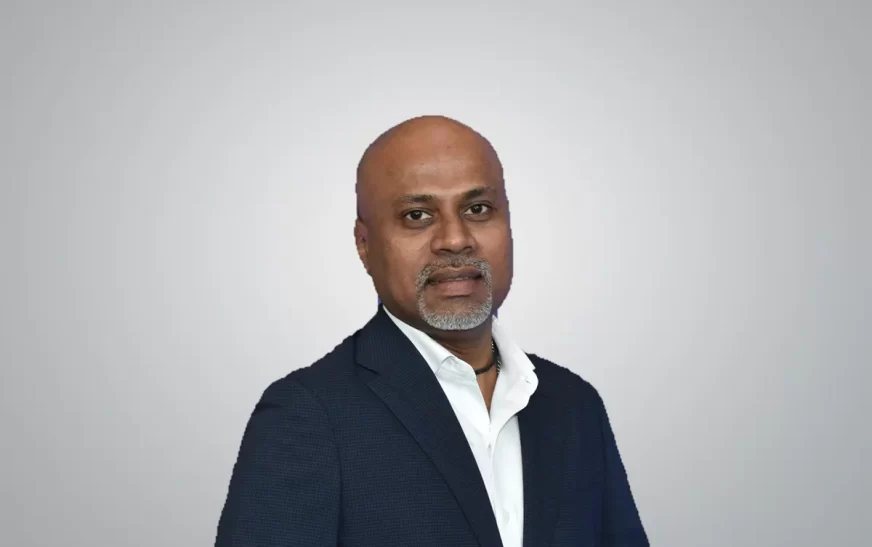
Nimali Senevirathne
Group Head of HR and Legal
Eswaran Brothers Exports (Pvt) Ltd. and group of companies
Nimali Senevirathne-Best HR Leaders from Asia 2026
A decision does not end when it is made. It lives on in the people it affects, the culture it creates and the trust it builds or loses. That understanding has grown with Nimali Adikari Senevirathnethroughout her career. A lawyer by training and HR professional by purpose, Nimali’s career has been shaped by a deep interest in people, justice, organisational discipline, and meaningful decision-making. She began her professional life with a strong grounding in compliance, governance, risk and fairness. The legal profession taught her to examine issues carefully and understand the weight of a decision. But experience gradually made Nimali look beyond the decision itself. She wanted to understand its human side.
That Nimali went towards HR and corporate governance and eventually to her current role as Group Head of HR & Legal at Eswaran Brothers Exports (Pvt) Ltd.and group of companies. Along the way, HR became particularly influential. It brought Nimali closer to employees, their aspirations and concerns, and showed her how much of organisational leadership happens outside formal policies. Her approach today reflects that blend of experiences. There is the discipline of a lawyer, the perspective of a governance professional and, perhaps most importantly, the empathy of someone who has spent years working with people.
In a conversation with TradeFlock, Nimali reflects on the experiences that taught her to look beyond the decision itself and think about the people and possibilities that follow it.
What prepared you for becoming Group Head of HR and Legal, and what did you learn?
Becoming Group Head of HR and Legal brought together the two strongest pillars of my career—law and people leadership. My legal background trained me in discipline, fairness, accuracy, accountability, governance, risk management, and ethical decision-making. My HR experience, meanwhile, taught me the importance of empathy, communication, employee engagement, and building trust across the organisation.
Together, these experiences prepared me to balance legal judgement with human understanding. The role also taught me that leadership extends beyond making decisions. It requires balancing organisational priorities with employee wellbeing, building effective systems, and guiding people through challenges.
Most importantly, I learned that HR and legal can play a strategic role in strengthening culture and enabling sustainable growth. The experience also deepened my resilience and emotional intelligence, helping me lead with both professionalism and compassion.
As a motivational speaker, what message do you want people to remember most?
The message I hope people remember most is that business is ultimately about people. Targets, policies, and performance are important, but true success comes when we lead with empathy, fairness, and purpose. On the human side of business, people remember not only what we achieve but also how we make them feel, support them, and help them grow.
What advice would you give aspiring HR professionals, and which skill matters most?
My advice to aspiring HR professionals is to understand the larger role HR plays in shaping people, culture and business outcomes. Stay curious, listen carefully, understand the business and approach decisions with fairness and empathy.
The most important skill to develop is emotional intelligence. HR involves working with different personalities, generations, expectations and challenges. Emotional intelligence helps professionals communicate clearly, build trust, manage conflict and navigate difficult conversations while remaining objective.
Technical knowledge can be developed with experience, but understanding people and responding thoughtfully makes a lasting difference. Strong HR leaders know how to balance human needs with business priorities and use that balance to create a healthier, more effective organisation.
What has been your toughest HR or legal decision, and how did you handle it?
One of the toughest parts of HR and legal leadership is making decisions that can directly affect someone’s livelihood while protecting the organisation’s values and long-term stability. The most difficult situations often involve employee discipline, performance concerns or restructuring, where the consequences can extend beyond the workplace.
I believe such decisions should never be rushed or driven by emotion. My approach is to understand the facts, listen to everyone involved, review the relevant policies and legal framework, and assess the situation objectively. At the same time, I consider the human impact of every decision and ensure that people are treated with dignity and respect.
These experiences have taught me that difficult decisions are part of leadership. What matters is having the courage to make the right decision, the discipline to follow due process, and the empathy to handle it with humanity.
What leadership lesson has shaped your approach to managing a multigenerational workforce?
One lesson has consistently shaped my leadership: people do not need to be managed in the same way to be treated fairly. My experience as an HR business partner across different businesses taught me to recognise the distinct expectations, motivations and working styles within an organisation.
This becomes especially important in a multigenerational workforce. Experienced employees carry institutional knowledge and perspective, while younger colleagues often bring fresh thinking, digital fluency and a strong desire to learn and grow. I see leadership as creating the conditions for both to learn from each other.
When communication is open and people feel respected, generational differences can become an advantage. The goal is to build a workplace where experience informs innovation and new ideas are strengthened by experience.