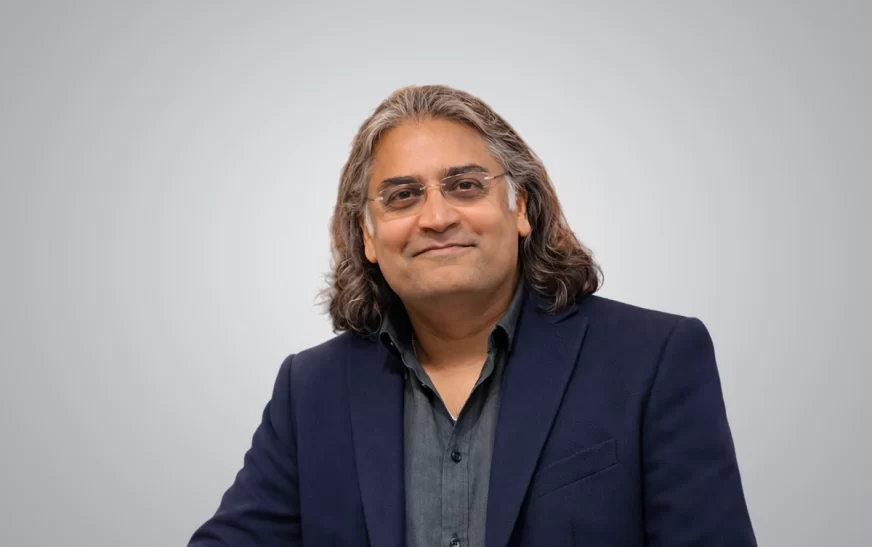
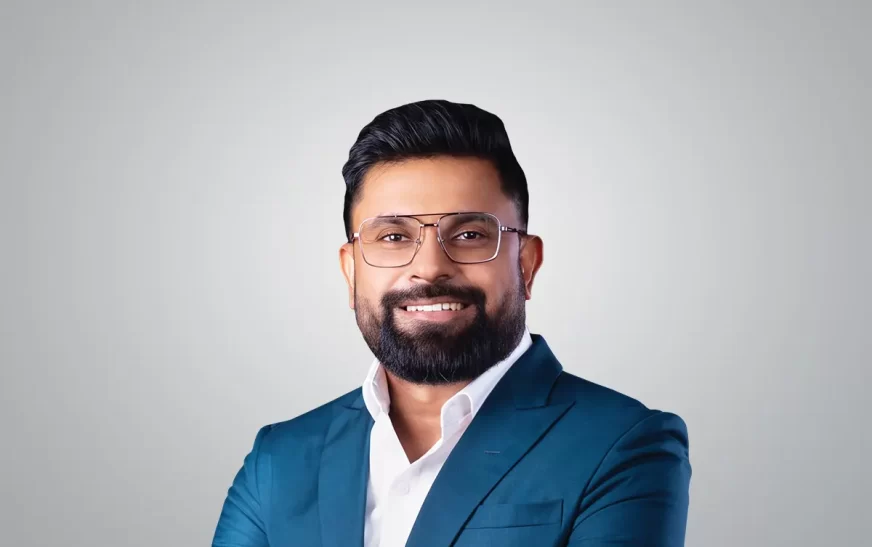
Roshan Kumar-Best Business Leaders from Singapore 2026
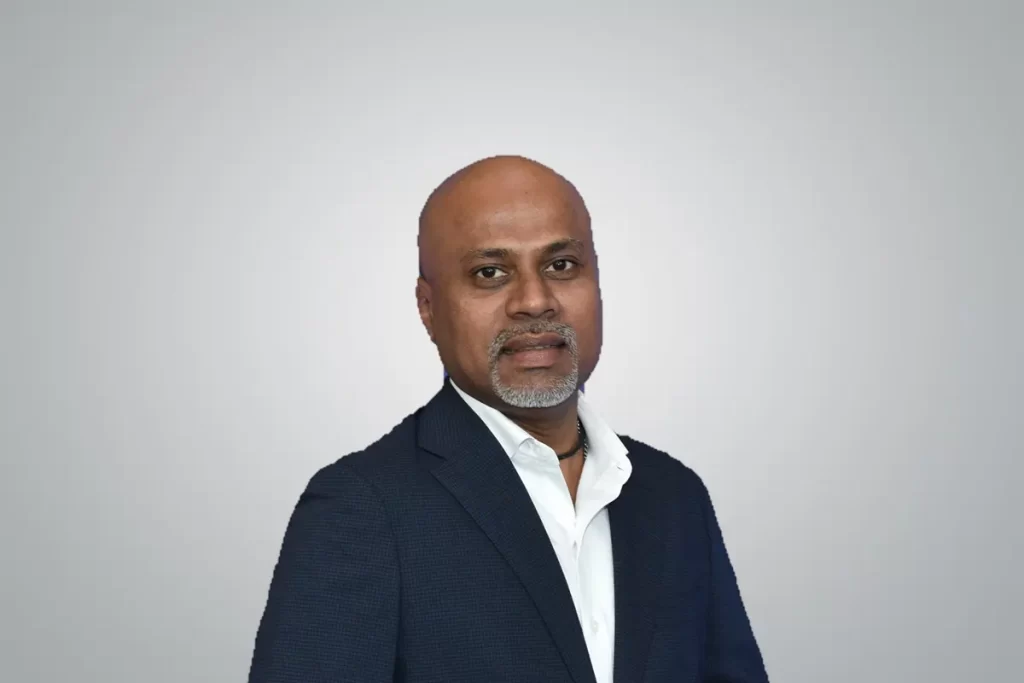
On November 30, 2022, when the “ChatGPT moment” hit, Roshan Kumarwas leading presales for unstructured storage. Generative AI was new to him and his company. While most people around him were sceptical, Roshan believed this technology could genuinely drive progress and help humanity, even before it was fashionable to say so. Hence, he went on to study LLMs, data science and AI infrastructure, becoming one of the few people in his organisation who could enable a team on the subject, not just talk about it.
This transition taught Roshan three things: the real meaning of grit, change is the only constant, and breadth compounds. Unlike most people who build their careers around one product or vertical, Roshan championed storage, cloud, data protection, compute, data management and AI. That has meant a lot of self-investment in learning along the way. “But it keeps paying back because every new shift finds me with a head start instead of a standing start,” Roshan adds. And this is why today he serves as Field CTO for Asia Pacific and Japan at SentinelOne, following more than two decades at EMC and Dell Technologies. Talking exclusively with TradeFlock, he shares deeper insights into his journey, lessons and strategies.
What keeps you ahead in data, cloud, AI and cybersecurity, and what lesson has stayed with you?
I’ve stayed ahead by getting behind technologies while they’re still emerging. In storage, it was software-defined storage. I believed early that SDS would disrupt the industry, long before the market caught on. The same pattern followed with every technology I picked up. Each felt like its own “iPhone moment”, and I had to convince customers and internal stakeholders to take a chance on something unproven. Past wins gave me the confidence to keep pushing through resistance.
I don’t really have a learning routine. Learning is entertainment for me. I spend my downtime online building knowledge, stay close to customers and keep my hands on the technology. From my home lab to public-cloud infrastructure, I pay for myself. I want to experience what I sell, not just read about it. I also follow research and academia.
The biggest lesson has nothing to do with money. It comes from solving a real customer problem and hearing them genuinely thank you. That feeling keeps me looking for the next hard problem.
Beyond AI, which emerging technology excites you most, and why?
While AI is transforming the world, quantum computing is the technology I watch most closely. It could solve problems in seconds that would take classical supercomputers millennia, opening a different class of possibilities.
What excites me is the impact. In healthcare, quantum could accelerate drug discovery by simulating molecular structures. In climate science, it could help design better solar panels and carbon-capture technologies. In cybersecurity, it could enable highly secure communication through quantum key distribution.
But quantum also creates a countdown. It could eventually break today’s encryption, making “harvest now, decrypt later” a real concern. Quantum won’t replace classical computing; it will force us to solve harder problems while rethinking security.
Which failure shaped you most, and how did you recover?
During and after COVID, I felt I had failed my team. Workforce reductions forced me to let go of some of the brightest specialists I had worked with, and I took that personally as a leader responsible for their careers. Months later, several reached out to thank me. They had found better jobs in a difficult market and said the skills and confidence they gained on my team helped them adapt quickly.
That changed how I lead. I stopped focusing on giving people answers and started teaching them how to find answers themselves. I don’t give my team a fish; I teach them how to fish. That is the kind of leadership that holds up through layoffs, recessions and unexpected change.
What are you learning today that will prepare you for tomorrow?
I’m investing time in quantum computing, but even more in something less expected: cyberpsychology. Every technology wave, from mobile and the internet to AI and quantum, has changed how people adapt, think and interact with technology.
I’ve built my career by embracing these shifts early, and I now feel a responsibility to give something back. I want to counsel people through this transition, not just executives and businesses, but young people and anyone struggling with the pace of change.
We’re moving towards AI, quantum breakthroughs and space travel, but progress means little if people cannot keep up psychologically. Building that human capacity is the skill I’m developing today and the work I hope to pursue beyond my corporate career.
What career achievement has meant the most to you, and why?
The achievements that mean the most to me aren’t the ones people expect. I’ve made Chairman’s Club many times, but those milestones don’t stay with me. My deepest fulfilment comes from helping people when they need it most.
Early in my career, I worked after hours to recover data, restore systems and train users without expecting anything in return. Later, I spent nights recovering production environments that had brought businesses to a standstill. Those experiences built lasting relationships.
As a leader, I’ve always worked alongside my team. I’m proudest of the trust I’ve earned by showing up when it matters.