Building Innovation & Resilience into the Business DNA
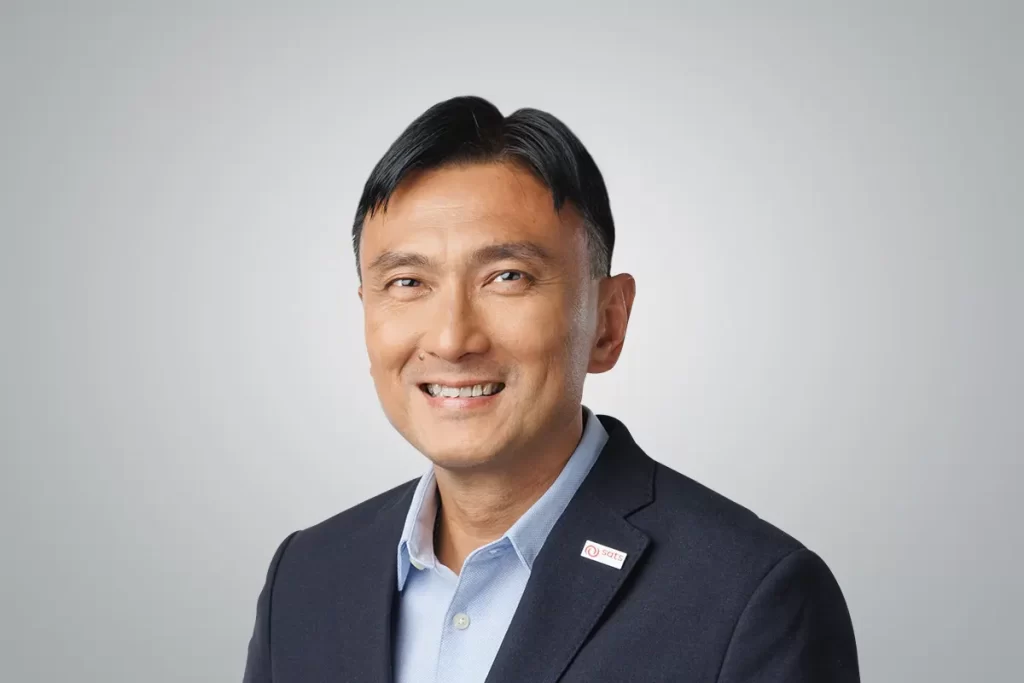
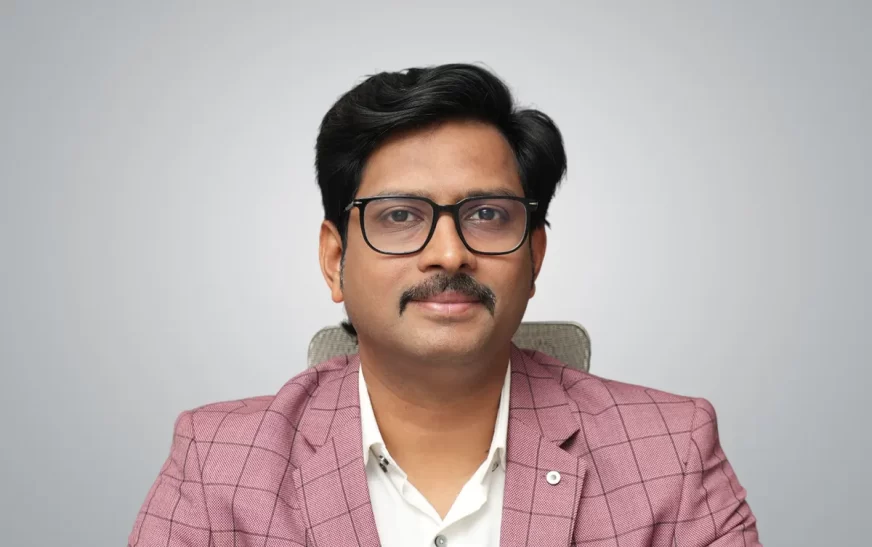
Terry Tan
Senior Vice President - Food Solutions
SATS Ltd.
Building Innovation & Resilience into the Business DNA
Terry Tan
Senior Vice President - Food Solutions
SATS Ltd.
Terry Tan-Best Business Leaders from Singapore 2026
In aviation and food solutions, disruption can travel across markets within hours. A geopolitical conflict can reshape supply routes, a tariff change can alter commercial decisions, while technology can transform how businesses operate and serve customers. For Terry Tan, Senior Vice President, SATS Ltd, ex-CEO of Country Foods, a SATS Company and ex-Head Integrated Global Supply Chain for SATS food business, these shifts have shaped a leadership philosophy centred on purpose, resilience and people.
The COVID-19 pandemic was an early wake-up call. What followed was a period marked by geopolitical tensions, conflicts, tariff wars and rapid technological change, reinforcing Tan’s belief that businesses must deliberately build the capabilities to navigate uncertainty. When speaking with TradeFlock, Terry reflected on the importance of developing leaders, empowering diverse and cohesive teams, leveraging AI, technology and data, building innovation culture and strengthening collaboration across functions, businesses, industries and borders.
At the heart of his approach is a belief that strong organisations are built through prepared leaders, empowered teams and people who can respond to change with clarity, confidence and purpose. For Tan, we need to constantly innovate, and resilience is a capability that must be developed continuously.
Which change is the food industry underestimating, and why?
I believe the industry is underestimating five changes that will shape the future of food supply chains. First, the changing global environment will have deeper and more pervasive effects on businesses. Leaders need to understand how geopolitical and non-commercial factors can influence operations, markets and decisions in both the short and long term.
Second, the pace of technological change will continue to reshape how we live, work, collaborate, manage supply chains and serve customers. Businesses will need to adapt faster and bring people along.
Third, a multi-generational and multi-national workforce will bring changing expectations around purpose, leadership, motivation, wellbeing, the workplace, and ways of working.
Fourth, businesses will need stronger public-private-people partnerships. Many challenges have become interconnected and cannot be solved by one organisation alone; collaboration, including with competitors and across geography, will become increasingly important.
Finally, leadership itself must evolve. We need to prepare the next layers of leadership, strengthen empowerment, build technology savviness and enhance resilience across organisations. The CEO and management cannot carry the full responsibility for navigating an increasingly uncertain environment. Leadership needs to become broader, more distributed and deeply embedded across the organisation.
Which trade-off in food businesses needs to be rethought, and how can leaders balance it?
Trade-offs vary across countries, markets, cultures and businesses, but one common challenge is balancing supply chain efficiency with resilience—the tension between “Just in Time” and “Just in Case”. Food is essential, perishable and dependent on cold-chain infrastructure, making end-to-end visibility, traceability and supply chain critical.
Businesses need streamlined regulations and policies to enable the free flow of goods and services across geography, market and industry. They need to leverage technology and AI to make supply chain smarter and more resilient and build collaborations across organisations, markets and borders. This can strengthen food security, business continuity and customer value while helping companies build supply chains that are both efficient and resilient.
Where can technology create the greatest impact in the food industry, and where should leaders retain the human touch?
Technology can create the greatest impact through end-to-end supply chain visibility, stronger collaboration, risk anticipation and trust-building. It can also help businesses with data-based decision-making, automation to replace risky and labourious tasks that no one wants to do, care and protect communities, build trust in societies and between countries and preserve the planet. However, technology is a means, not an end. Automation should support people, while leadership, critical decisions, empathy, care and meaningful face-to-face connection remain human responsibilities.
Where do companies struggle to turn sustainability commitments into action, and what approach would you recommend?
When the world is more divided, trade is increasingly decoupled and cost pressures are mounting, sustainability can easily be deprioritised as businesses focus on financial outcomes and survival. The organisational will and resources to invest in sustainability may be curtailed, particularly for some SMEs, which form a major part of any country’s economic backbone.
Companies also face several practical challenges. Sustainability standards can be misaligned across borders, markets and organisations. End-to-end supply chain visibility and data remain fragmented, while many businesses lack the expertise to build and sustain effective sustainability frameworks. Another challenge is quantifying sustainability outcomes and translating them into clear business or financial benefits.
In today’s challenging environment, I would suggest starting small, partnering proactively, implementing with discipline and scaling rapidly when ready. A clear strategy provides the framework, while committed leaders are essential to drive it forward. Focused plans, clear accountability and measurable outcomes help sustain momentum. Most importantly, companies need to build a culture where people understand why sustainability matters and how it can strengthen the business, protect the planet and create a better future together. This goes beyond P&L targets, top-down direction and sustainability reports.
What leadership philosophy guides you through uncertainty, and how can leaders build organisations that last?
When the path ahead is tough or uncertain, care more for your people. Provide clarity, give hope, show empathy and lead by example. When people feel supported in difficult times, they will look after the business and the company in good and bad times.
Uncertainty also creates opportunities to strengthen the organisation. Use a crisis to develop leaders, coach teams to manage disruption, build new capabilities and update our fundamentals. When the storm passes, the organisation should emerge stronger, more prepared and better positioned to pursue new markets and customers.
A company that lasts is built on strong leadership, happy people and a resilient culture. Strong leadership, cohesive teams, engaged employees, thriving innovation and a collaborative culture create the foundation for sustainable business, good financial outcomes and a happy workplace.