Ben Tre Import Export Joint-Stock Corporation (Betrimex)
Designing the People Systems That Enable Growth
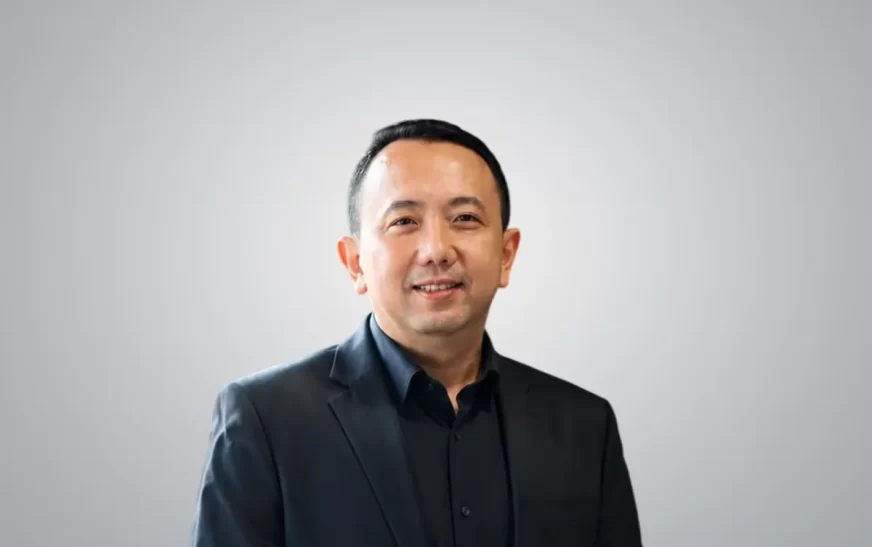
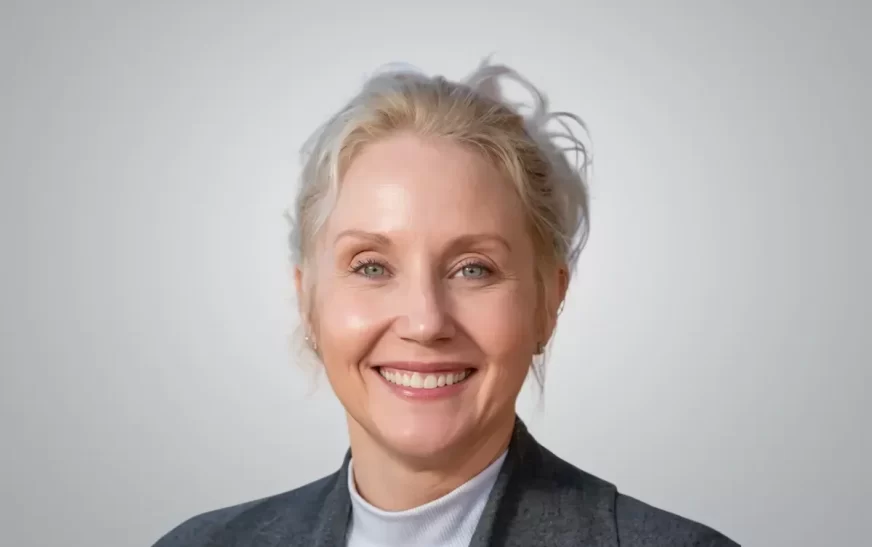
Lam Thi Bich Lieu
Board Advisor
Ben Tre Import Export Joint-Stock Corporation (Betrimex)
Lam Thi Bich Lieu-Best HR Leaders from Asia 2026
Some stories travel a single path while a few navigate the complexities of several routes. This is the story of Lam Thi Bich Lieu, Board Advisor, Ben Tre Import Export Joint-Stock Corporation (Betrimex), who has worked across FMCG, pharma, manufacturing, retail, real estate, and agriculture sectors that shaped her career in a very practical way. Each industry taught her a different business rhythm: FMCG taught speed and consumer discipline; pharma taught compliance and governance; manufacturing taught operational excellence; retail taught customer-centricity; real estate taught scale and stakeholder complexity; and agriculture taught long-term value-chain thinking.
This diversity helped Lam become a more business-oriented HR leader. She learnt that people’s strategy cannot be copied from one company to another. It must reflect the business model, growth stage, culture, and leadership maturity of each organisation. It also strengthened her ability to adapt, listen, diagnose, and build HR systems that support business outcomes. Over time, Lam has come to see HR not only as a people function but as a strategic capability that helps organisations grow, transform, and sustain performance.
Speaking with TradeFlock, Lam spoke about her work, strategy, and more.
What strategy drove Betrimex Vietnam’s job-level redesign, and what lasting impact has it created?
When with Betrimex Vietnam, redesigning job levels across the whole group was one of the most important organisation projects because it created a common language for roles, accountability, career growth, and reward governance. The key strategy was not to treat it as an HR technical exercise but as a business alignment exercise.
We reviewed the organisation structure, clarified role scope, compared internal relativity, and aligned job levels with business needs and future growth. The work required close engagement with leaders to ensure the framework was practical, fair, and scalable. The lasting impact is that Betrimex now has a clearer foundation for career pathways, succession planning, performance expectations, and compensation decisions.
It also supports better workforce planning and leadership conversations because roles can be discussed with more objectivity. More importantly, it helps leaders make people’s decisions based on structure and principles, not only personal judgement or historical practices.
How do Best Place to Work recognitions strengthen employer branding, talent attraction, and employee morale?
During my time with Schindler Vietnam, I was proud to contribute to the leadership journey that helped the company achieve Best Place to Work recognition for four consecutive years during the 2020-2024 period. I was also honored to receive the Best HR of Jardine Schindler Group Award in 2022, which reflected the impact of HR in strengthening people practices and business partnership.
For me, these recognitions matter only when they are backed by a real employee experience. Externally, they strengthen employer branding because candidates can see evidence of culture, leadership, and employee trust. Internally, they build pride and morale, but they also create accountability. A strong workplace is not built by one campaign or one survey. It is built through consistent leadership behaviour, fair people practices, communication, development opportunities, and a commitment to listening to employees.
Why is succession planning critical, and how do you build a strong leadership pipeline at Betrimex?
Succession planning is critical because leadership continuity is business continuity. In many organisations, succession is often discussed only when a key person leaves, but by then it is already too late. My go-to strategy is to make succession planning a disciplined leadership process, not an annual HR form. This means identifying critical roles, assessing successor readiness honestly, building development actions, and holding leaders accountable for growing talent.
At Betrimex, this focus translates into stronger conversations about leadership depth, capability gaps, and future-ready talent. Succession planning also helps the organisation reduce dependency on a few individuals and prepare people for larger roles before the business urgently needs them. For me, the best succession strategy is simple: know the critical roles, know the real bench strength, and invest early in the people who can carry the future business agenda.
What HR strategies will support Betrimex’s business goals through 2030?
Betrimex’s 2030 ambition requires HR to build organisational capability ahead of business growth. My HR agenda focuses on several priorities. First, strengthening organisation design and governance so the company can scale with clear roles, accountability, and decision rights. Second, building leadership and succession pipelines for critical roles, especially as the company expands and prepares for higher governance standards. Third, upgrading talent management, performance management, and total rewards to create stronger alignment between contribution, capability, and business results.
Finally, HR must help shape a culture that is performance-driven, values-based, and adaptable. For me, the role of HR is to ensure the business has the right structure, right leaders, right capabilities, and right culture to deliver sustainable growth toward 2030. That is how HR becomes a true business transformation partner, not only a support function. This remains central to my long-term HR leadership philosophy.