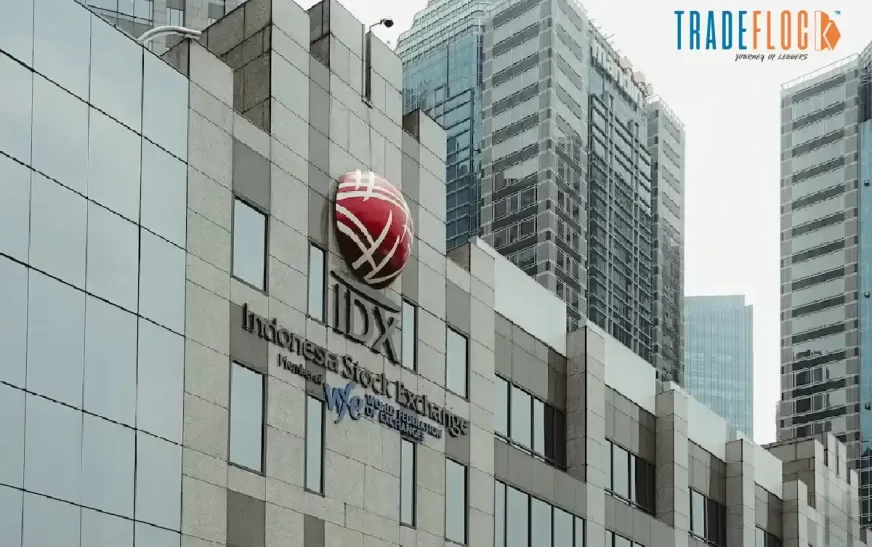
On January 30, the head of the Indonesian stock exchange resigned following heavy losses in the country’s stock market. The fall followed MSCI’s warning that Indonesia could be downgraded to frontier-market status. This warning caused panic among investors and led to a market crash worth more than US$80 billion.
Indonesia’s main stock index showed a brief recovery on January 30. The Jakarta Composite Index rose as much as 2.1% in early trading but later gave up those gains. Earlier, on January 28 and 29, the index fell by more than 8%, its largest two-day decline since April last year.
Indonesia Stock Exchange CEO Iman Rachman resigned and said that he was taking responsibility for the poor market conditions. The exchange confirmed his resignation through its corporate secretary.
The market fell after MSCI raised concerns about unclear ownership rules and weak trading transparency in Indonesian stocks. MSCI warned that if these problems are not resolved, Indonesia could be downgraded, prompting many global funds to sell Indonesian shares.
Foreign investors have already withdrawn capital from Indonesia due to concerns about President Prabowo Subianto’s economic policies. They are concerned about rising government spending, which is increasing the fiscal deficit, and about the state becoming too involved in financial markets.
When Prabowo appointed his nephew, Thomas Djiwandono, to the central bank in January, this shook investors’ confidence. This came after the sudden removal of respected finance minister Sri Mulyani Indrawati in 2025.
Indonesian authorities announced new measures on January 29. These include raising the minimum free-float requirement for listed companies to 15% and reviewing cross-shareholdings among shareholders holding less than 5% of a company.
Regulators said discussions with MSCI had been positive, that they are awaiting a response, and that they hope the new measures can be implemented soon and the issue will be resolved by March.
Paul Dmitriev of Global X ETFs stated that the government clearly wants to address the problem. He added that if large-scale money outflows continue, they could materially impact the market.
You might also like this: Indian Economy Expected to Grow 7.4% in FY26
Data show that foreign investors sold approximately US$645 million in Indonesian shares during the two-day crash and have sold about US$1 billion in 2025. Major global banks, including Goldman Sachs, UBS, and HSBC, have already downgraded their views on Indonesian stocks, adding further pressure on the market.