
Tradeflock Asia

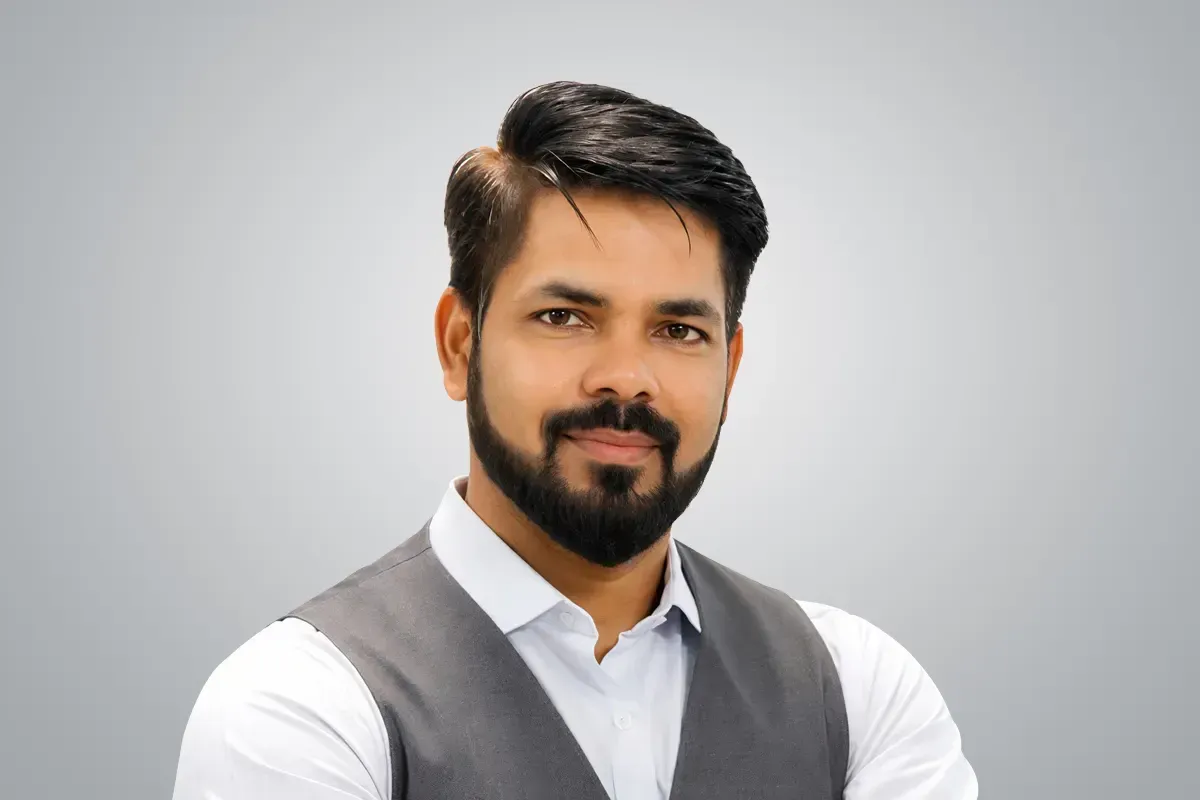
Raahil Reddy  

Fortune Primero

Real estate professional with a worldwide outlook, combining skills in finance, data science, and analytics. As Director at Fortune Primero, Raahil Reddy advances Indian real estate by integrating technology, sustainability, and a focus on customer needs. He builds trusted ecosystems that increase community benefits and promote responsible urban development.

Redefining Luxury Housing in Urban India

High-end housing in urban India is on the verge of change. The usual markers of premium living, which include upper tier amenities, luxurious levels of customization, and a desirable area, remain important, but do not symbolize luxury without other aspects. There is a new sense of luxury introduced to the value system, one that emphasizes sustainability, comfort, and environmental accountability just as much. Contemporary homebuyers, particularly younger and more globally conscious buyers, desire homes with ample natural light and ventilation, with carbon-neutral materials, and designs that focus on their well-being. That shift in their thought process is already being experienced by developers, as homeowners expect sustainability incorporated at all levels of the design and build process.

Rise of Environmentally Conscious Homebuyer

This change is taking place among a sizeable cohort of homebuyers, many of whom are now viewing sustainability as a lifestyle choice instead of an alternative upgrade. These homebuyers desire homes that support physical and mental well-being through things like open space, intelligent layout, and connection to nature. Therefore, the home real estate sector is starting to redefine luxury where sustainable health-based living is a priority.

Green Energy as a Pillar of Modern Luxury Living

Green energy features have become some of the most significant indicators of luxury new-age homes. These developments to common areas in a premium home include solar power installations, energy-efficient smart meters, motion sensor-controlled lighting systems, and AI-powered optimisation systems. These energy technologies aid in minimising utility costs and support low-carbon living. Rising energy costs, coupled with pressures of climate change, have meant these features are now deemed essential for sustainable future-ready living.

Climate-Resilient Design and Open Space Planning

Another trait of modern luxury homes is climate resilience. Developers are designing developments with large open spaces, which are sometimes upwards of 80% of the lot size. These open spaces enhance air movement, minimize heat gain, and create better microclimates. Likewise, water-sensitive furnishing is similarly relevant, incorporating rainwater harvesting, groundwater aquifer recharge, greywater reuse, and permeable surfaces into sustainable communities.

Biophilic Design Transforming Urban Luxury

The practice of biophilic design, which introduces aspects of nature into internal environments, is gaining a prominent role in luxury housing. Balcony sky gardens, multiple levels of planting, shaded passageways, and amenities oriented towards nature are being improved through automatic irrigation systems and artificially intelligent systems that check leaf moisture and plant health. These features enhance visual quality but also improve air quality and reduce stress.

Sustainable Luxury as a Long-Term Investment

Luxury residences or high-end homes that are also sustainable are emerging as solid investments for the long term. Their energy efficiency, climate resilience, and adaptability to regulations over time help maintain stability in both the primary and resale markets. The evolving definition of luxury suggests a change in culture that honours responsible and nature-aligned living over excess.