Job mobility has always been a hot topic in Asian corporate circles. What is less discussed is the direction people are moving in. Robert Walters’ 2026 Salary Survey of Asian professionals found that only 10% feel more positive about their role after a performance review, while 27% feel worse, signalling that the region’s biggest employers are administering people rather than developing them. At the same time, ManpowerGroup’s 2026 Global Talent Shortage Survey shows 71% of employers across Asia Pacific and the Middle East still cannot fill the roles they have open, rising to 82% in India and 84% in Japan. Asian employers are facing a difficult contradiction: critical skills remain hard to find even as some professionals are reassessing what they want from an employer.
What Scale No Longer Buys
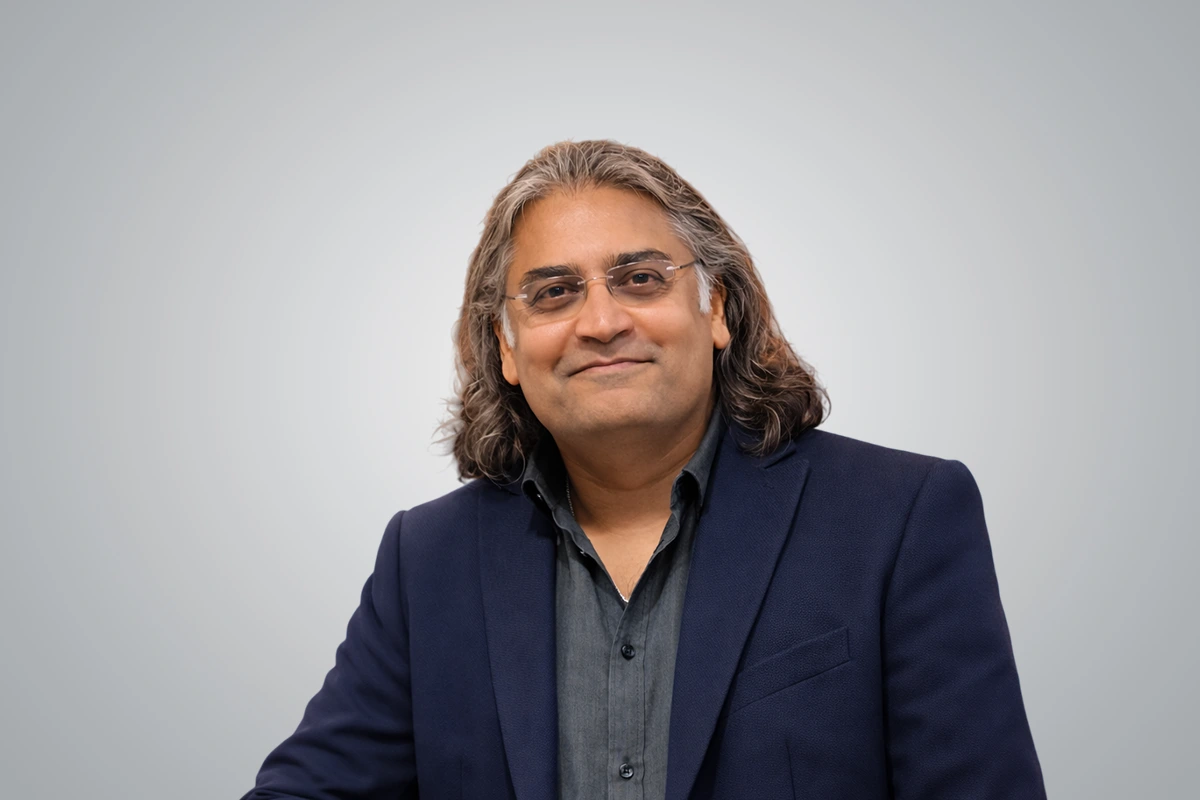
Ambrish Kanungo, Head of HR at the India-based IT services firm Beyond Key, put the mechanics plainly. He argues that mid-size companies cannot out-brand or out-pay the multinationals they compete against for talent, so they compete on something else instead. What they can offer, in Kanungo’s words, is “something the big firms rarely can: visibility into their own growth”.
A senior hire at a large organisation typically inherits a narrow mandate inside a wide hierarchy; the same person at a 200-person firm inherits the whole problem, with a name attached to the outcome. Kanungo’s point is not that smaller companies pay better; they usually don’t. For some experienced professionals, faster ownership of meaningful work, cross-functional exposure and direct access to leadership can offset the prestige or resources associated with a larger employer. Aon’s November 2025 Asia risk survey placed “failure to attract or retain top talent” among the region’s top ten business risks, evidence that this is no longer an HR-department problem but a boardroom one.
If that wasn’t enough, smaller organisations are making it easy for professionals to make the switch. According to Business Insider, smaller companies are using flexible timings and working options as a tool to fight the big conglomerates, which generally have much stricter office mandates. According to a Randstad Workmonitor 2025 survey, which surveyed 27,000 workers across 35 markets in Europe, Asia Pacific and the Americas, many employees are quitting their jobs and joining smaller companies in India just to stay flexible.
Cutting the Very People They Can’t Replace
The irony is that Asian companies are simultaneously unable to hire the right talent and are actively shedding the experienced people who have it. Oracle cut roughly 12,000 roles in India in 2026 as part of a global restructuring tied to its AI infrastructure spend. Tata Consultancy Services, India’s largest IT services company, saw its workforce shrink by nearly 24,000 in FY26, with the reductions concentrated in middle and senior management rather than entry-level ranks. AI is a reason, but it tells only half the story. The skills companies need are changing faster than what the need of the hour suggests. That is precisely the tier from which voluntary high-performer exits are hardest to absorb, and it is happening as ManpowerGroup’s survey shows India and Japan posting the sharpest talent shortages in the Asia Pacific and Middle East regions.
Large organisations aren’t losing talent because they can’t retain it. Deloitte’s 2025 Global Human Capital Trends report found that more than 70% of managers and workers say they would stay longer with an employer whose approach to AI actually prepared them to thrive in the role, yet fewer than 30% of organisations have built that kind of strategy. EY’s 2025 Work Reimagined Survey found a similar gap on the ground: 88% of employees already use AI at work, but only 5% are using it in ways that meaningfully change how they work. The capability exists. The redesign of the job around it does not. The gap is therefore not simply about access to AI. It is about whether organisations are redesigning roles, workflows and career paths around it.
How HR Leaders Across Asia are Responding
It’s not like Asian HR leaders are sitting on their hands. Many companies are mitigating this gap, like Beyond Key, which is closing the gap structurally, not through perks. New hires get ownership of a defined outcome early, move across functions rather than stagnating in one vertical, and, most importantly, have regular access to leadership instead of layers of executives. None of this needs massive resources. It just needs a willingness to shorten the distance between an employee’s efforts and their visible results.
On the recruitment side, ManpowerGroup’s Regional President for Asia Pacific and the Middle East, François Lançon, has put it more bluntly: employers now need to “build, buy or borrow” specific skills rather than assume scale alone will draw them in, since hiring is moving faster than most large organisations can keep up with internally. Same structural gap, seen from the employer’s side. None of this makes big Asian companies irrelevant. But scale alone isn’t the argument it once was.