Leading with Purpose in a Borderless
Fintech World
K. Premmananth
CEO
Lightnet Singapore Pte Ltd
Leading with Purpose in a Borderless
Fintech World
K. Premmananth
CEO
Lightnet Singapore Pte Ltd
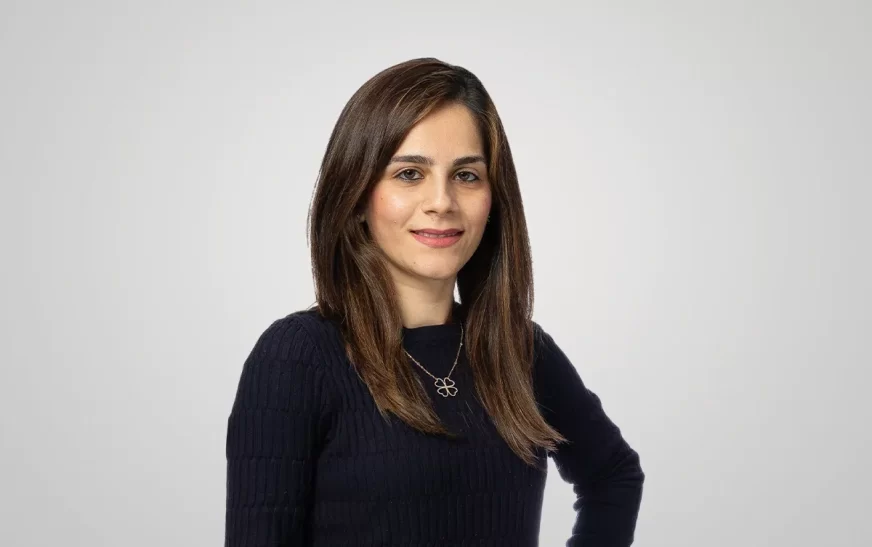
K. Premmananth has never subscribed to the notion of incremental change. For over two decades, he has stood at the frontlines of Asia’s evolving financial ecosystem—reshaping cross-border payments, building digital remittance networks, and transforming regulatory-heavy businesses into agile, customer-first enterprises. Today, as CEO of Lightnet Singapore Pte Ltd, he’s leading one of the region’s most dramatic fintech turnarounds. When Premmananth joined Lightnet, the company held licenses across several countries but lacked an active business. Under his leadership, the company quickly accelerated operations and achieved significant milestones in both volume and valuation. This isn’t his first play at transformation. At Western Union and later at MoneyGram, he led the digital leap for APAC markets, launched app-based money transfer platforms, and established gamechanging partnerships across Korea, Japan, China, and Southeast Asia. But Premmananth’s edge lies not just in strategy and execution; it’s in people. A large part of his core team has followed him from previous stints—a testament to leadership built on empathy, trust, and a shared vision. He brings the rare ability to balance innovation with compliance and digital efficiency with a human touch, creating ecosystems where customers feel heard and teams feel empowered. Speaking with TradeFlock, Premmananth shares more about his work and strategies.
What’s been your toughest
leadership challenge? How did
you navigate through it?
The biggest challenge has been adapting to the rapid evolution of the remittance industry. When I began, it was all brick-and-mortar; customers walked in, paid cash, and sent money. Growth meant more physical outlets. But with fintech transformation, it became mobile-first, app-toapp, and price-driven. We had to rethink our entire model. The real hurdle? Retaining customers without face-toface interaction. We responded by enhancing user experience, introducing multilingual support and human touchpoints. In Japan, for instance, we added native-language support for migrant communities, which significantly improved trust. Success lies in staying ahead of customer expectations, embracing digital—but never losing the human connection. That balance has helped us evolve and stay competitive in a fast-moving industry.
How do you manage financial
compliance across multiple
regulated markets?
Compliance is non-negotiable in our line of work. We’re handling cross-border fund flows, so I’m directly accountable to regulators across multiple jurisdictions. In some markets, even appointing a CEO requires regulatory approval, which shows how seriously it’s taken. We have a strong compliance team and use advanced tools to screen transactions. But we don’t rely solely on tech. AI helps, but it can’t replace human judgement. That final layer of oversight matters. It’s how we’ve built trust with regulators and clients alike.
What’s the most valuable
leadership lesson you’ve learnt
and continue to share with
others?
Empathy is the leadership trait I value most. I’ve worked under great leaders and some not-sogreat ones. The bad experiences taught me what kind of leader I never want to be. It’s easy to chase KPIs and forget you’re leading people, not just performance. I make it a point to really listen, because your team always has something to say if you’re willing to hear it. When people feel genuinely valued, they stay. That’s why many of my team members have followed me across companies. We’re not just colleagues—we’re part of something larger: a mission we all believe in.
What’s your approach to building
and retaining high-performing
teams across organisations?
In this industry, the product’s pretty much the same—money moves from point A to B. So what really makes the difference? People. I’ve always believed attitude matters more than credentials. You can teach someone the technical side, but you can’t train someone to care. That’s what I look for. Most of my team has followed me through multiple companies—not because of perks, but because of the culture we’ve built. They go the extra mile, not because they have to, but because they want to. That’s what sets us apart. It’s not just a job—it’s something we believe in.
What gaps do you see in
Singapore’s fintech landscape,
and how are you working to bridge
them?
I wouldn’t say there are blind spots, but one trend I see becoming a limitation is the push toward fully app-based models that eliminate human interaction. Many fintechs today don’t even have a hotline—everything’s routed through chatbots or automated support. That might work for small retail remittances, but for business clients making larger payments, it’s not enough. They want assurance, especially when issues arise. We address such concerns by balancing tech with human support. That personal touch builds trust—and customers are willing to pay a premium for it.
What’s your five-year
vision for fintech and
regulation?
The future of fintech is undeniably digital, but trust will be the real differentiator. My vision is to build a crossborder payment ecosystem where speed, compliance, and human connection coexist. At Lightnet, we’ve already made significant strides. Over the next five years, I see us becoming the preferred infrastructure partner for cross-border fintechs across Asia and beyond. Trust will get us there.