Leading Through Complexity With Clarity
Juno Ramacha
Head of People & Culture (Canada)
Mastercard Foundation
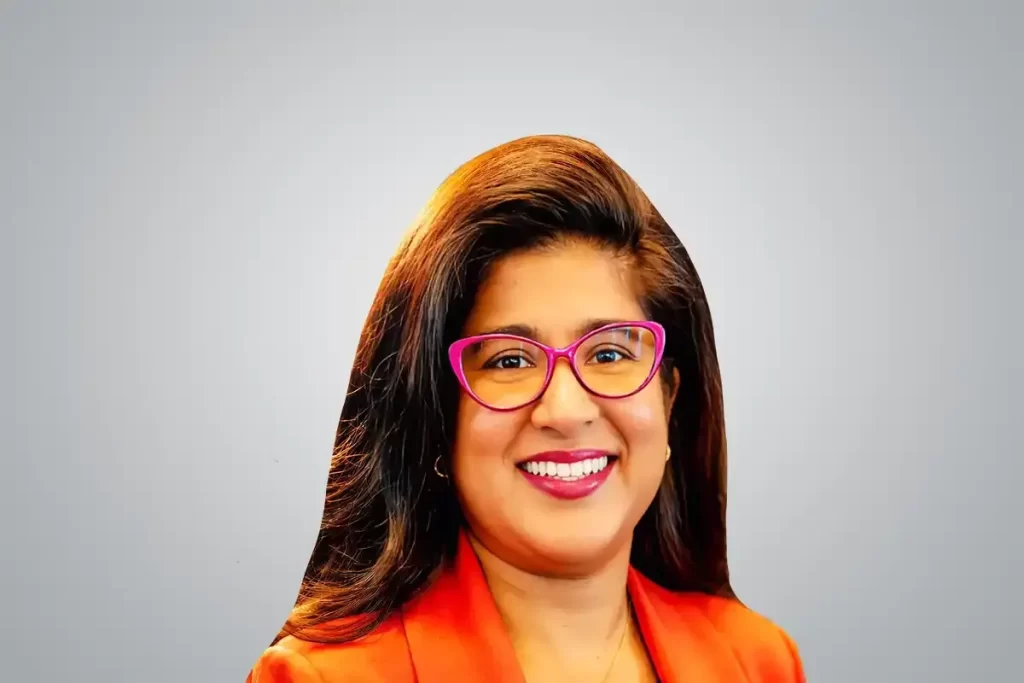
Leading Through Complexity With Clarity
Juno Ramacha
Head of People & Culture (Canada)
Mastercard Foundation
Juno Ramacha-Most Influential Leaders to Watch in 2026
Complexity has quietly become the defining challenge of modern leadership. Markets shift overnight, workforces span continents, regulations evolve constantly and expectations of leadership continue to rise, leaving organisations with a question that technology alone cannot answer: how do you create clarity when certainty itself is becoming increasingly rare? That question has shaped much of Juno Ramacha’s professional journey. Across the private sector, public sector and now international development, she has consistently stepped into environments where navigating change demanded more than HR expertise. It required sound judgement, thoughtful communication and the ability to earn trust through uncertainty. Today, as Head of People & Culture (Canada) at Mastercard Foundation , she draws on more than two decades of experience spanning organisational transformation, labour relations, mergers and acquisitions, leadership development and global people strategy. In this conversation with TradeFlock Magazine, Juno reflects on the experiences that taught her leadership is rarely about having all the answers. More often, it is about helping others move forward with confidence when the path ahead is still unfolding.
Looking back, which moments quietly shaped the leader you've become?
When I look back, I don’t remember my career through job titles. I remember it through the questions I kept asking myself: What haven’t I learnt yet? Where will I be challenged next? Every transition was driven by that curiosity. Building an HR function from the ground up taught me how strong people practices are created. Moving into the public sector introduced me to succession planning, organisational design and the realities of unionised workplaces, which taught me the value of sound judgment, courage, and fairness. Throughout the trajectory, I’ve been blessed with exciting opportunities, from leading through complex organisational change across unionised and non-unionised teams within the broader public sector to partnering with senior leaders through rapid growth, HR-led mergers and acquisitions at CGI, where every interaction demanded technical rigour as well as human sensitivity. Those moments helped me become a more strategic, influential, and business-minded HR leader. Joining the Mastercard Foundation brought the biggest shift of all. After years of supporting commercial growth, I found myself working towards social impact. The environment changed completely, but one purpose remained constant: holding space for complexity and helping leaders see the people impact behind every business decision.
What have the toughest conversations taught you about people?
Some conversations never become easier, regardless of how many years you spend in HR. Sitting across from someone whose employment is coming to an end is one of them. Behind every decision is a person, a family and a future, which is why I have always believed difficult decisions should never come at the expense of dignity.
My responsibility has always been to ensure every investigation is fair, every conclusion is evidence-based and every conversation is handled with respect. One employee once told me that they experienced the same level of care during their exit as they had when they first joined the organisation. Those words have stayed with me because they reminded me that while people may not always agree with an outcome, they never forget how they were treated. Compassion and accountability are often presented as opposites, but the most effective leaders know they belong together.
What do you wish every emerging leader understood much earlier?
Many people believe leadership begins with a title. I have learnt that it begins much earlier, in the small moments when people decide whether they can rely on you. Influence grows through consistency, credibility and the willingness to show up, especially when conversations become uncomfortable.
Curiosity has been one of my greatest advantages throughout my career because every meaningful opportunity has begun with a willingness to step into unfamiliar territory. Building relationships, understanding the business and earning trust have always mattered more than having the loudest voice in the room. Positions may open doors, but character determines whether people choose to follow you. Over time, titles fade into the background, while integrity, judgement and intent become the qualities people remember most.
Which lesson has influenced your leadership more than any other?
One conversation from the very beginning of my career has stayed with me for more than twenty years. As a Recruitment Manager then, I was leading a large hiring project and realised only a few days before onboarding that we were going to miss our target. We eventually recovered, but my stakeholder asked me a question I have never forgotten: Why didn’t you tell me earlier? I had spent so much time trying to solve the problem myself that I overlooked the importance of bringing others into the conversation and asking for help before it became urgent.
Since then, I’ve believed that trust is built through transparency, especially when the news isn’t perfect. Leaders should never be surprised by challenges; they should be invited to solve them together. Years later, while I was at CGI, one of my business leaders remarked that I always kept him informed before issues reached his desk. Hearing that reminded me how one difficult conversation early in my career had quietly shaped the way I partner with my business leaders ever since.
Another person who changed my trajectory was my manager at CGI. She encouraged me to lead HR mergers and acquisitions long before I believed I was ready. Looking back, she didn’t just give me a project. She gave me confidence I hadn’t yet discovered in myself.
"People don't listen because of your role. They listen because they trust your judgement, your consistency and your intent."
What is leadership asking of us today that it never did before?
People no longer expect leaders to have all the answers. They expect someone who can create clarity when certainty simply doesn’t exist. For me, that has been the biggest shift. Leadership today is far less about directing people and far more about helping them make sense of complexity without losing confidence in the journey ahead.
Over time, that realisation has changed the way I show up. I’ve become much more intentional about listening before responding, inviting different perspectives before reaching conclusions and acknowledging uncertainty instead of trying to hide it. Those conversations almost always lead to better decisions because people feel part of the thinking rather than recipients of instructions. Staying close to both the business and its people allows me to connect purpose with execution, even when the landscape continues to change around us.
All Magazines -
Success Insights
Roisin Wadding-Best HR Leaders from Asia 2026
Stella Gurgova-Most Empowering Women Leaders to Watch in 2026