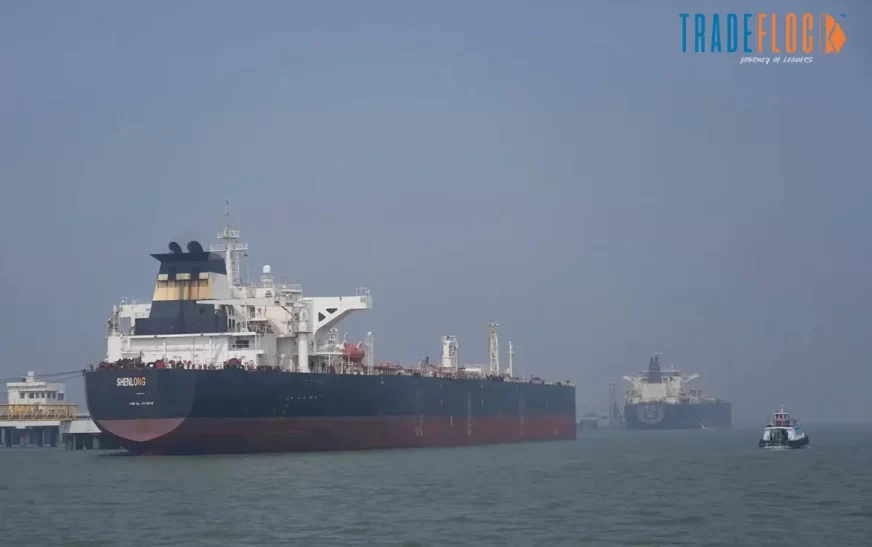
Iran has charged as high as $2 million in fees for ships using the sea route known as “Transit Passage” through the Strait of Hormuz, which is considered one of the most important maritime shipping channels for oil in the world; however, in recent weeks, there has been increased geopolitical activity in the area, and this has impacted shipping traffic. Ships wishing to use Iranian territorial waters for transit must obtain permission from their respective country’s Iranian operator prior to doing so. Under the Controlled Transit Route Agreement established by Iran, a foreign-flagged vessel that transits via the route where prior approval was given by Iran, has been charged US$2 million.
The Persian Gulf, which connects to the Arabian Sea through the Strait of Hormuz, as shown in the map below, is a strategic energy route with approximately 20% of global oil and liquefied natural gas shipments transiting the strait. The newly enacted transit fee is a key element of Iran’s effort to establish control of the Strait of Hormuz during this time, when there is an ongoing regional conflict with both the United States and Israeli forces within the region. According to recent statements made by officials within the Iranian regime, amendments made to foreign maritime traffic in the strait may impose restrictions on vessels that belong to “adversarial” nations as well as potentially deny access altogether to commercial vessels associated with those countries. In addition, due to heightened maritime risk in the region due to fears of maritime insurance premium increases, increased risk of vessel attacks, there has been an enormous decrease in volume of maritime traffic transiting through the Strait of Hormuz.
Read More: Samsung Electronics Intends to Supply Its HBM4 Chips to OpenAI
This decrease in the volume of maritime traffic has already resulted in the disruption of the flow of crude oil and affects other forms of energy throughout the world. India, China and Pakistan are among several countries that depend on Middle East oil imports who are currently negotiating with Tehran to secure safe tanker passage through the strait. Energy analysts warn that ongoing descriptions in the Strait of Hormuz will create major effects on global energy markets which will result in higher oil prices and increased shipping expenses throughout the world.