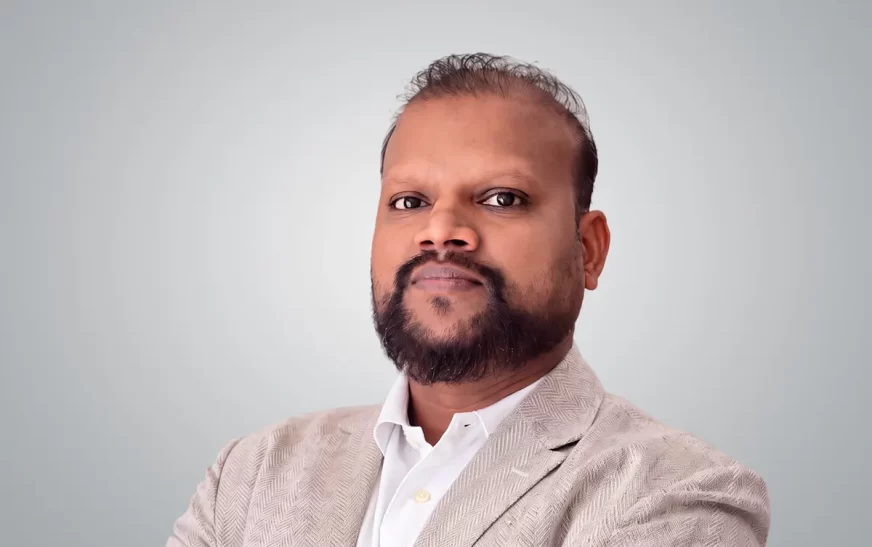
Redefining Middle East Real Estate’s Future
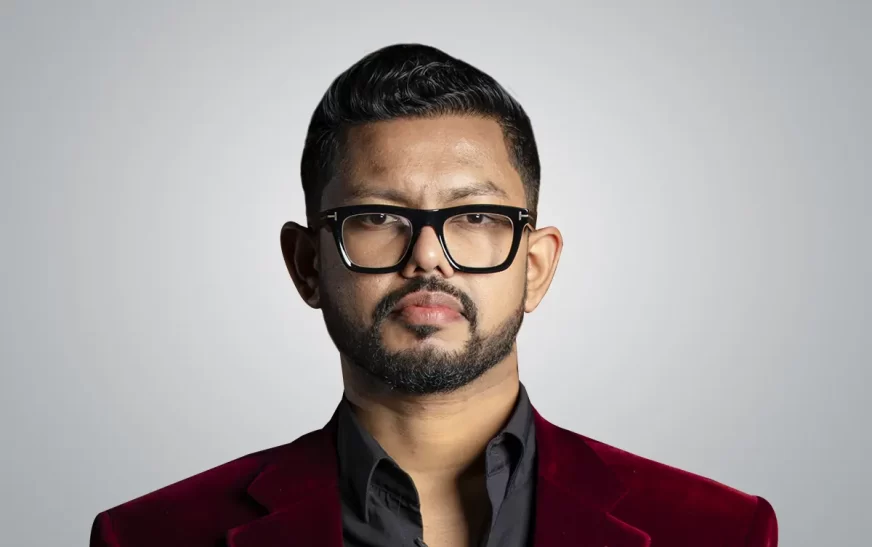
Dr Husam Mohamed Alameri
General Manager
Baraka Real Estate Development


Redefining Middle East Real Estate’s Future
Dr Husam Mohamed Alameri
General Manager
Baraka Real Estate Development
As cities evolve and investors seek future-proof opportunities, Dr Husam Mohamed Alameri, CEO of Baraka Real Estate Development, is at the helm of shaping what the next decade of real estate looks like in the Middle East. From advocating sustainable design to championing smart city innovations, Dr Husam is focused on ensuring that Baraka is not just participating in the growth of real estate but defining it. In this Q&A, TradeFlock speaks with Dr Husam to understand the key shifts in real estate for 2025, what investors need to watch out for, and how Baraka’s partnership with China Railway Engineering Corporation (CREC) is redefining large-scale development in the region.
What are the biggest shifts you’re seeing in the real estate sector in 2025?
The industry is undergoing a transformation driven by sustainability, digitalisation, and shifting demographics. There’s increasing demand for mixed-use developments that combine residential, commercial, and recreational spaces. Sustainability is no longer optional; it’s expected. Developers are now expected to consider environmental impact right from the design phase. There’s also a rising interest in smart city solutions that integrate AI, IoT, and data analytics to improve the quality of life and operational efficiency in urban spaces.
Where should investors be directing their attention in this evolving market?
Investors should focus on assets that are aligned with long-term sustainability and adaptability. Projects that integrate smart technologies, cater to evolving lifestyles, and are resilient to economic fluctuations will hold value. There’s a growing preference for developments that are communitydriven, walkable, and lifestyle-orientated. Moreover, infrastructure-led growth, such as transit-orientated development, offers substantial upside. Transparency, regulatory compliance, and ESG credentials are becoming key investor considerations.
Are traditional business models in real estate still relevant, or is there a complete shift underway?
Traditional models are being redefined rather than replaced. The fundamentals like location, design, and quality still matter. But now, they’re supplemented by layers of digital and sustainable innovation. Developers must be agile and responsive. The era of standalone developments is fading. Instead, integrated and experiential ecosystems are the future. Business models must account for lifecycle value such as operational efficiency, user satisfaction, and environmental performance, not just upfront sales.
What’s your take on risk management in this climate of rapid change?
Risk is evolving. Today, it’s not just financial or operational; it’s also reputational, technological, and environmental. Risk management now involves scenario planning, compliance with evolving regulatory frameworks, and agile response systems. Developers need to anticipate shifts in interest rates, material costs, and geopolitical factors. A strong governance structure and forward-looking financial forecasting are essential to mitigate these risks.
Finally, what excites you most about the future of real estate in the region?
The scale and pace of change. We are at a point where bold ideas are being backed by policy, capital, and public interest. There’s an openness to experiment, collaborate, and build with purpose. For developers and investors alike, the Middle East offers a dynamic landscape—one that is challenging us to think bigger and build better. It’s an exciting time to be shaping the future.
How are these trends playing out specifically in the Middle East?
The Middle East is positioning itself as a hub for futuristic urban development. We’re seeing countries invest heavily in infrastructure, clean energy, and master-planned communities. Governments are encouraging public-private partnerships and offering incentives for green building standards. The UAE, in particular, is setting benchmarks in sustainable and high-tech developments. What’s unique about this region is the speed of execution—ambitious visions are being translated into reality with remarkable efficiency.
You mentioned smart cities and AI. How significant is the role of technology in today’s development landscape?
It’s becoming central. AI and digital tools help in everything from feasibility studies and risk assessments to predictive maintenance and customer engagement. At Baraka, we’ve integrated data-driven decision-making into our planning process. This ensures more accurate forecasting, cost optimisation, and timely execution. Smart technologies are also redefining resident experiences; think automated building systems, energy-efficient management, and connected living. Developers who embrace digital transformation will lead the next wave of urbanisation.
The partnership between Baraka and CREC has generated buzz. What larger trend does this reflect in the industry?
This partnership is a reflection of global collaboration becoming essential in real estate. Large-scale, capital-intensive developments benefit immensely from bringing together regional knowledge and international expertise. Strategic joint ventures like ours with CREC signal a move toward more sophisticated project execution, higher quality control, and better financial management. It also mirrors a growing appetite for cross-border investment and infrastructure development in emerging markets.
How is Baraka Real Estate Development demonstrating its commitment to CSR?
At Baraka Real Estate Development, we believe CSR isn’t a checklist; it’s a reflection of who we are. Recently, we proudly took part in the Manzal Al Sadr Diving and Beach Cleanup Campaign and the national mangrove planting initiative. These weren’t just events for us but opportunities to roll up our sleeves and give back meaningfully. From cleaning the seabed to planting mangroves, our team was fully involved. We’re committed to sustainability not just in what we build, but in how we protect and support the communities and environment around us.
Featured Magazine -

All Magazines -
Success Insights
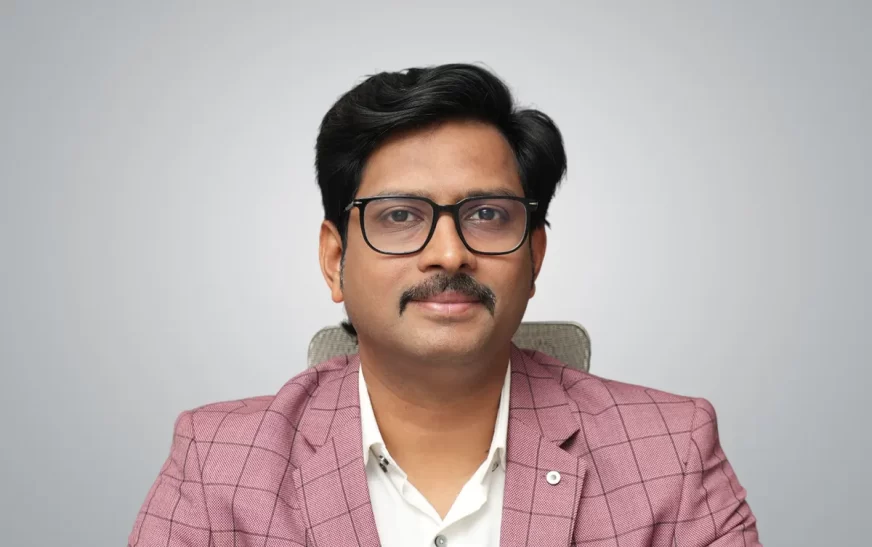
Ravindranath Garaga-Best CXOs in Asia 2026
Dr Tharindu Samarajeewa-Asia’s 40 Under 40 2026