Building Businesses that Stand the Test of Time
Dr Bashar Jabbar Abdulsattar Aljoraissy
CEO
The Highway Company International LLC
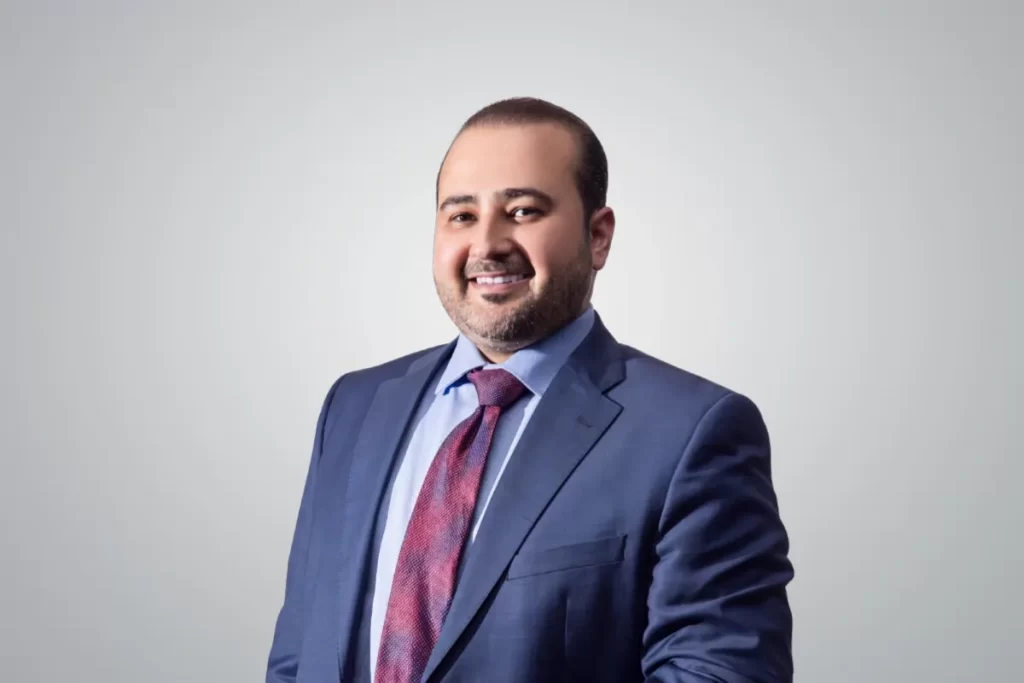
Building Businesses that Stand the Test of Time
Dr Bashar Jabbar Abdulsattar Aljoraissy
CEO
The Highway Company International LLC
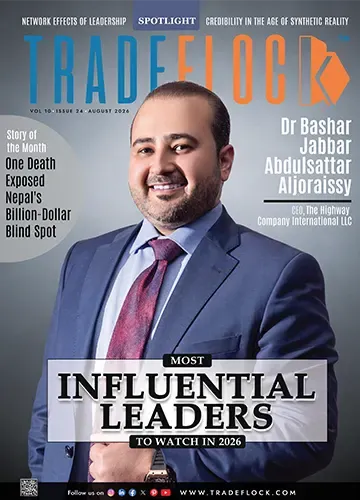
Dr Bashar Jabbar Abdulsattar Aljoraissy-Most Influential Leaders to Watch in 2026
Markets often reward ambition, but lasting influence belongs to organisations built with the foresight to adapt, the discipline to endure and the governance to earn trust across generations. Few leaders have pursued that responsibility across as many disciplines as Dr Bashar Jabbar Abdulsattar. As the CEO and Founder of Globe Icon International LLC, THCI Group LLC, The Highway Company International LLC, and several international ventures, he has led the strategic direction of more than 60 multinational entities with cumulative budgets exceeding USD 10 billion across engineering, investment, healthcare, technology, agricultural production systems, and infrastructure. His work extends beyond the corporate world into international law, arbitration and institutional governance, where he has served as an International Human Rights Judge and contributed to global legal and advisory initiatives. Every role has reinforced a leadership philosophy rooted in accountability, innovation and institutions designed to create lasting value rather than short-term success.
In this conversation with TradeFlock, Dr Bashar shares the experiences that shaped his entrepreneurial journey, his approach to leadership and his vision for building organisations that create long-term value.
What were the early challenges that shaped your entrepreneurial journey?
Looking back, I don’t believe the greatest challenge was building businesses. The greater challenge was learning how to build them in environments where every country, every industry and every regulatory framework demanded a different way of thinking. Leadership has changed its meaning throughout my career. Earlier, I measured it by the expertise around me. My personal experience in leadership began to expand gradually, and that taught me that the importance of leadership is reflected in the quality of decisions I make. Examples include culture, governance, laws, and agricultural production, all of which depend on the trust that effective leadership creates.
Those experiences taught me that resilience is created long before a business begins to scale. Strong governance, disciplined execution and the ability to understand local realities became far more valuable than pursuing rapid expansion. Every organisation we built strengthened my belief that lasting success depends on creating systems that continue performing under pressure rather than strategies that only succeed in favourable conditions.
Your businesses span engineering, logistics, investment and real estate. How do you decide which opportunities are worth pursuing?
Every opportunity begins with a question that extends well beyond commercial returns:
Growth is a journey, and institutional strength must grow with it. Every initiative must strengthen the organisation strategically, remain operationally sustainable and contribute something meaningful to the communities and industries it serves. That perspective has guided our expansion into sectors as diverse as healthcare administration, Smart AgriTech, investment, infrastructure and technology. Innovation is most valuable when it strengthens institutions rather than simply introducing new tools. Whether we are implementing digital systems or exploring new business models, the objective remains the same: build organisations that become more resilient, more efficient and better prepared for challenges when working in international markets.
How do you envision the company’s growth journey in the next five years?
The next chapter will be defined by organisations that successfully combine innovation with institutional strength. Digital transformation, smart technologies, healthcare systems, sustainable infrastructure and advanced agricultural innovation are all reshaping the global economy. Each presents opportunities only for organisations capable of integrating them responsibly and strategically.
Having worked across international markets around the globe, I have learned that sustainable growth is rarely driven by expansion alone. It comes from building partnerships, strengthening governance and continuously investing in people, technology and organisational capability. Our focus is therefore not simply on entering new markets, but on creating institutions that remain relevant regardless of how markets themselves continue to evolve.
What unites the diverse industries you've chosen to build?
Many people are curious about why my journey spans healthcare, infrastructure, Smart AgriTech, investment and technology, but I have never viewed them as separate destinations. Every opportunity presented a different challenge, yet each challenged me to think about the same responsibility: creating systems that improve lives and remain valuable long after the project itself is completed. Innovation has always interested me, although never for its own sake. Real progress happens when new ideas strengthen institutions, improve efficiency and create lasting value for society. Industry may determine the work we do, but purpose determines why we do it. Looking across those different sectors today, I see one common thread running through all of them. Every organisation should become more resilient, more responsible and better prepared to serve future generations than it was when we first began building it.
What does giving back mean to you at this stage of your journey?
Success has allowed me to build organisations, but it has also reminded me that every experienced leader carries a responsibility to build people. Looking across my own journey, I can clearly see how much I benefited from learning, guidance and the willingness of others to share their experience. Passing those lessons forward has therefore become just as meaningful as building businesses. Mentorship, in my view, isn’t about creating people who think exactly as I do. Every generation will face different challenges and discover different opportunities. Real mentorship gives people the confidence to think independently, lead with integrity and make decisions that serve society rather than themselves. If my experience helps even a few future leaders build stronger institutions, create greater opportunities and leave their communities better than they found them, I would consider that one of the most meaningful achievements of my career.
"Power may shape the present. Principles are what allow institutions to survive the future."
How did you evolve as a leader over the years, and what shaped the leader you are today?
Working across multinational businesses, international law, arbitration and institutional governance reinforced the same lesson in different ways. Organisations become stronger when responsibility is shared rather than concentrated. My role today is less about directing every outcome and more about creating an environment where capable people can exercise sound judgement, remain accountable, and continue to strengthen the institution with confidence.
How do you identify and nurture future leaders across your group companies?
Technical expertise may open opportunities, but character determines whether someone is prepared to lead. I look for people who demonstrate integrity, intellectual curiosity and the discipline to make difficult decisions without losing sight of their responsibilities to others.
Mentorship, in my view, is not about teaching people to think exactly as I do. It is about helping them develop the confidence to analyse complex situations independently while remaining grounded in ethical judgement and sound governance. Strong leaders create successful organisations. Exceptional leaders create new leaders who continue strengthening those organisations long after they move on. I believe future leaders need the ability to make thoughtful decisions, take ownership and work effectively in complex environments.
How has your definition of success evolved over two decades?
Success is defined by the value created across generations and the ability to turn growth into lasting impact. Building organisations with strong governance, capable leaders, and sustainable systems is equally important, creating institutions that can evolve, create opportunities, and continue delivering meaningful value long after their founders and leaders have moved on.
Today, I believe success is reflected in the strength of the institutions we leave behind, the leaders we help develop and the positive impact our organisations continue creating long after individual accomplishments fade from memory. Businesses can grow because of ambition. Institutions endure because they are built on governance, accountability and people who believe in a shared purpose. Creating something that continues serving society across generations has become my definition of success.
How has your experience in international law influenced the way you lead global organisations?
People often see business and international law as two very different worlds, but I never experienced them that way. The more I moved between corporate leadership, international arbitration and judicial responsibilities, the more I realised they were all asking the same thing of me: to make decisions people could trust regardless of the country, culture or circumstances. Every new jurisdiction added another layer to that understanding because regulations may differ and markets certainly evolve, but integrity, accountability and fairness remain constant. Carrying those responsibilities also changed the way I looked at leadership. Commercial success has always mattered, yet I came to believe it only becomes sustainable when people trust the values behind every decision. Strong institutions are rarely built on authority alone. They endure because people have confidence in the principles that guide them, especially when the decisions become difficult.
How should leaders balance innovation with human judgement?
Technology is transforming almost every industry, and I believe leaders should embrace that progress with confidence and responsibility. New systems can improve efficiency, strengthen governance and help organisations make better decisions, but they should never replace human judgement or ethical responsibility. Experience has taught me that innovation becomes meaningful only when it serves people rather than becoming an objective in its own right. Every technological advancement should leave an institution stronger than it was before, not simply more modern. Looking ahead, organisations that endure will be those that combine innovation with wisdom, because sustainable progress depends just as much on sound leadership as it does on advanced technology. Every decision still begins and ends with people, and I don’t believe any technology will ever change that fundamental responsibility.
All Magazines -


Success Insights
Dr. Kelly Waugaman-Most Empowering Women Leaders to Watch in 2026

Roisin Wadding-Best HR Leaders from Asia 2026