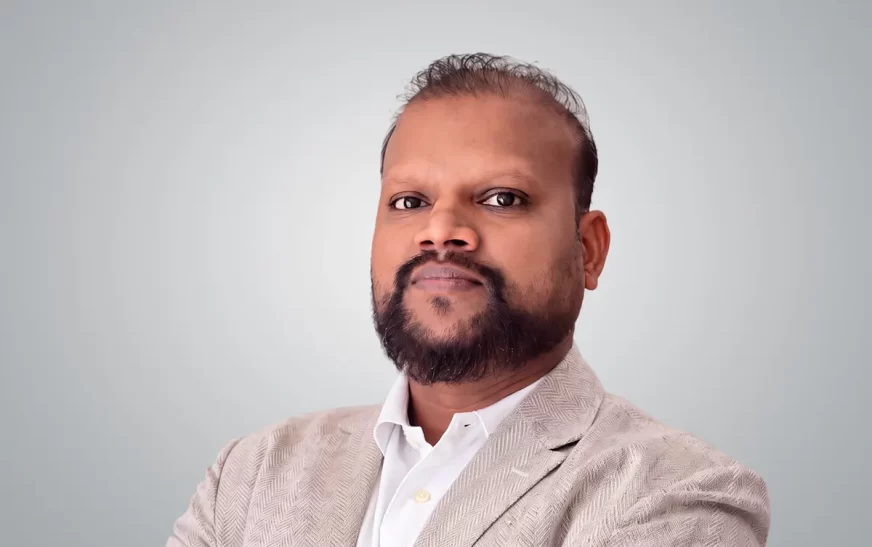
Pioneering the Next Wave of IT Innovation in Asia/Driving Growth in the Digital Age
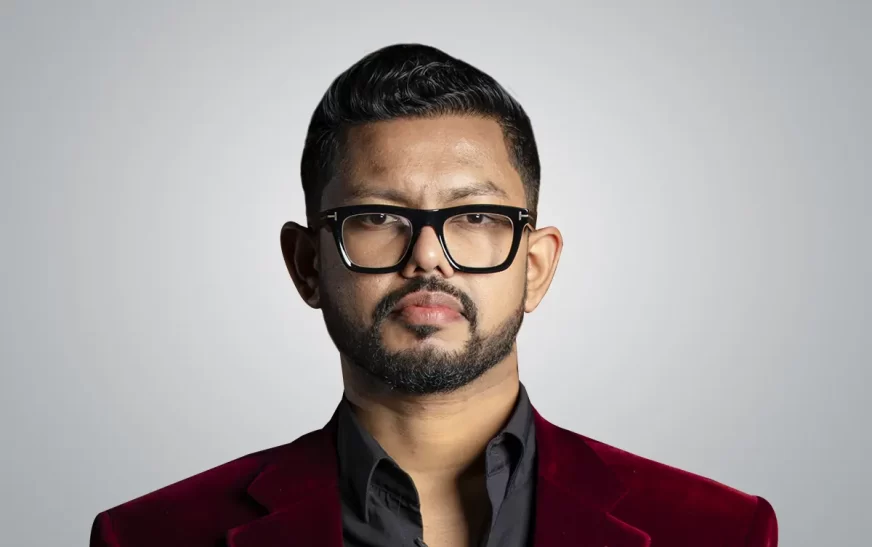
Jorge Adajar
Chief Technology Officer
KA1ROS
With global spending on digital transformation projected to reach $3.4 trillion by 2026, organisations worldwide are striving to stay competitive in a rapidly digitising world. However, the stark reality is that up to 70% of digital transformation initiatives fail, often due to inadequate leadership and alignment between technology and business goals. Amid this challenging landscape, Jorge Adajar, Chief Technology Officer at KA1ROS, emerges as a rare leader who consistently bridges the gap between technological innovation and business success.
With over 20 years of experience spanning seven diverse industries, Adajar has proven himself a master of turning ambitious visions into operational realities. From spearheading integrated tourism systems that showcased the Philippines’ hospitality on a global scale to implementing healthcare solutions powered by predictive analytics, his contributions have redefined the boundaries of what technology can achieve. His leadership extends beyond technical proficiency, with a focus on fostering collaboration and cultivating growth mindsets within teams.
As the demand for AI and machine learning accelerates—markets projected to exceed $500 billion by 2025—Adajar is positioning KA1ROS as a leader in AI-driven solutions, particularly in the healthcare sector. TradeFlock sat down with this dynamic leader to explore his strategies, challenges, and vision for the future.
What key lessons have you gained from working across industries like hospitality, real estate, and manufacturing?
Over the years, I’ve come to believe that success in any industry—be it hospitality, real estate, or manufacturing—boils down to three powerful lessons. First, unity is strength: when everyone works as ‘one organisation with one goal but many hands,’ extraordinary outcomes follow. Second, living by core values isn’t just good policy—it’s transformational, shaping an ideal culture that people and clients trust. Lastly, in today’s world, embracing digital solutions isn’t just about efficiency; it’s about survival and growth. As I often remind myself and my teams,
“Working with one mind and many hands ensures we deliver value and stay ahead.”
What personal challenge has shaped your career and approach to tech leadership?
When the tech landscape shifted from traditional IT infrastructure to cloud-based solutions, I saw it as an opportunity, not a setback. I transitioned from mastering servers and networking to diving into system development and later AI and machine learning, even creating my own AI-driven solutions. This journey taught me that ‘adaptability isn’t just a skill—it’s a mindset that keeps you ahead.’ With a 360-degree understanding of technology, I lead with strategic vision and hands-on expertise, driving innovation that aligns seamlessly with business goals
How do you use data analytics to make strategic decisions during tough market conditions?
In challenging markets, I’ve found data analytics to be a transformative tool, particularly in healthcare. By implementing predictive analytics, I’ve identified critical compliance gaps in specific regions, optimised chronic disease management, and enabled personalised treatment plans based on geographic and demographic data.
'Data isn’t just numbers—it’s a catalyst for systemic improvement and smarter decisions.'
This approach has proven that with the right insights, we can drive patient care and healthcare outcomes to new heights.
Can you highlight a project that changed your perspective on technology's role in business?
Working on government projects in tourism and healthcare profoundly reshaped my understanding of technology’s role in business. In the tourism sector, we developed an integrated system that showcased the Philippines’ rich hospitality and breathtaking destinations, seamlessly connecting with global audiences and elevating the country’s profile. In healthcare, we implemented a secure, unified database linking hospitals and clinics, revolutionising patient care and providing widespread benefits to millions. These projects demonstrated that technology is not merely a tool but a transformative force that turns ambitious visions into impactful realities.
How do Asia’s cultural nuances impact technology adoption, and how have you navigated them?
In Asia, technology adoption isn’t just about solutions—it’s about trust and understanding. I’ve learned to approach decision-makers by addressing their specific pain points and demonstrating clear ROI. Once, I transformed their mindset by showing how technology could revolutionise operations, from faster communication to improved business practices. By aligning innovation with their values, I gained their trust and paved the way for future IT projects.
What disruptive tech trends do you foresee, and how will you leverage them at KA1ROS?
In the next few years, I see Artificial Intelligence and Machine Learning redefining industries, especially in the healthcare and medical sectors. At KA1ROS, we’re preparing by redesigning databases for Big Data methodologies and enhancing data analytics approaches to ensure seamless integration with AI-driven solutions. ‘It’s not just about adopting AI—it’s about building the infrastructure that makes AI transformative.’ These advancements will not only upgrade our services for current clients but also position us as leaders for future partnerships.
Featured Magazine -
All Magazines -









Success Insights
Ravindranath Garaga-Best CXOs in Asia 2026
Dr Tharindu Samarajeewa-Asia’s 40 Under 40 2026