Tradeflock Asia

logo

Redefining Cinema Leadership in an Era of Accelerated Change

Alejandro Aguilera

CEO

Cinépolis Cinemas Indonesia

Alejandro Aguilera 2
logo

Redefining Cinema Leadership in an Era of Accelerated Change

Alejandro Aguilera

CEO

Cinépolis Cinemas Indonesia

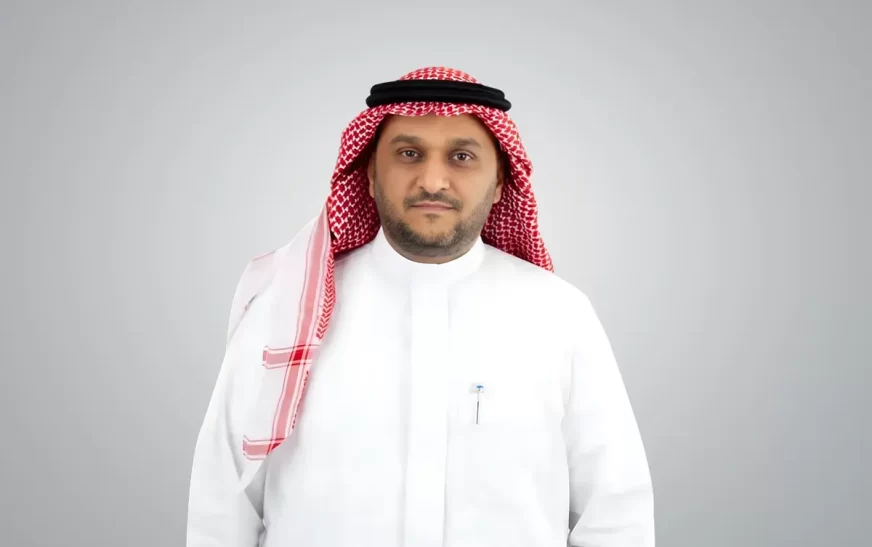
Alejandro Aguilera - Best CEO from Asia 2025

Cinema is an experience-led business but sustaining that experience in an era of accelerated and unpredictable change demands operational control, financial discipline, and decisive leadership. As CEO of Cinepolis Cinemas Indonesia, Alejandro Aguilera leads at the intersection of shifting audience behaviour, evolving technology expectations, and increasingly compressed content cycles.

With over 15 years of professional experience, including more than a decade in C-suite roles, Aguilera brings a leadership approach grounded in financial rigour and executional clarity. His background in finance provides a strong foundation in cost management, capital allocation, and profitability analysis, while his close alignment with operations and human resources ensures that strategy translates into consistent performance across complex, multi-site cinema operations. Guest experience, safety, efficiency, and workforce engagement are treated as integrated priorities rather than competing objectives.

Aguilera views the central challenge facing the industry not as change itself, but as its acceleration. Audiences today are more selective, more value-conscious, and far less tolerant of friction. Content cycles have shortened, technology expectations are shaped by digital platforms, and attention is increasingly fragmented. Having worked across the Middle East and Indonesia, he recognises that while these forces are global, their impact is deeply local. In Indonesia, cultural context and emotional connection matter as much as innovation.

This reality has shaped an evolution in his leadership—from a reliance on long-term certainty to a focus on decision readiness, speed, and adaptability. In a people-centric industry, Aguilera emphasises empowerment over top-down control, enabling teams closest to the guest to act with judgement. His mandate remains clear: to drive sustainable growth, strengthen customer satisfaction, and deliver long-term value for stakeholders.


How do you balance big-picture strategy with daily operations to drive customer experience, team performance, and organisational momentum?

Big-picture thinking sets the direction, but relevance is earned every day through consistent execution. I balance both by focusing strategy on a small number of clear priorities, guest experience, execution speed, and accountability, while simplifying everything else.

I stay close to the frontline, not to micromanage, but to ensure decisions genuinely improve customer experience and employee performance. Operational reality constantly tests strategy, and I treat it as the ultimate measure. Momentum comes from clarity: when teams understand what matters and have the right capabilities, both performance and engagement naturally follow.

Which trends will shape entertainment leadership in the next 5–10 years, and how are you preparing?

Three forces will fundamentally reshape leadership. First, technology as an enabler. AI won’t replace creativity, but it will transform forecasting, scheduling, personalisation, and decision-making. Leaders must ensure technology simplifies work and enhances human interaction.

Second, polarised consumer behaviour. Audiences will diverge between value-driven, convenience-focused visits and fewer, premium, emotionally rich experiences. Leaders must navigate this duality while protecting brand identity.

Third, evolving talent expectations. Future teams will prioritise purpose, growth, and trust. We prepare by simplifying systems, investing in leadership capability, and ensuring innovation always serves both the guest and the team.

How do you reinvent the customer experience while staying culturally relevant and emotionally engaging?

I focus on three guiding principles. First, remove friction before adding innovation—speed, cleanliness, reliability, and simplicity create the foundation for a meaningful experience. Second, embrace a truly glocal approach; global brands succeed locally only when they honour culture through content, food, partnerships, and service styles that resonate emotionally.

Third, think in journeys, not touchpoints. The memory of a cinema visit builds from discovery and digital interactions to the welcome at the door and the quality of the product. Reinvention must craft experiences that are authentic, culturally relevant, emotionally engaging, and operationally seamless.

How has your view of leadership evolved, and what skills help leaders drive high performance in uncertain environments?

Early in my career, I viewed leadership through structure, control, and execution via the organisational chart. Working across diverse markets taught me that in uncertain environments, sustainable performance comes from clarity, trust, and discipline, not control.

Today, the most vital skills are sound judgement over false certainty, listening and coaching over directing, consistency over charisma, and building strong teams and capabilities over individual heroics. A CEO can set strategy, but organisations deliver results through the capabilities leaders create. In uncertainty, leadership isn’t about having all the answers—it’s about creating the conditions that allow others to execute effectively, make decisions confidently, and sustain high performance.