The Lawyer at the Table Where Power, Policy and Business Meet
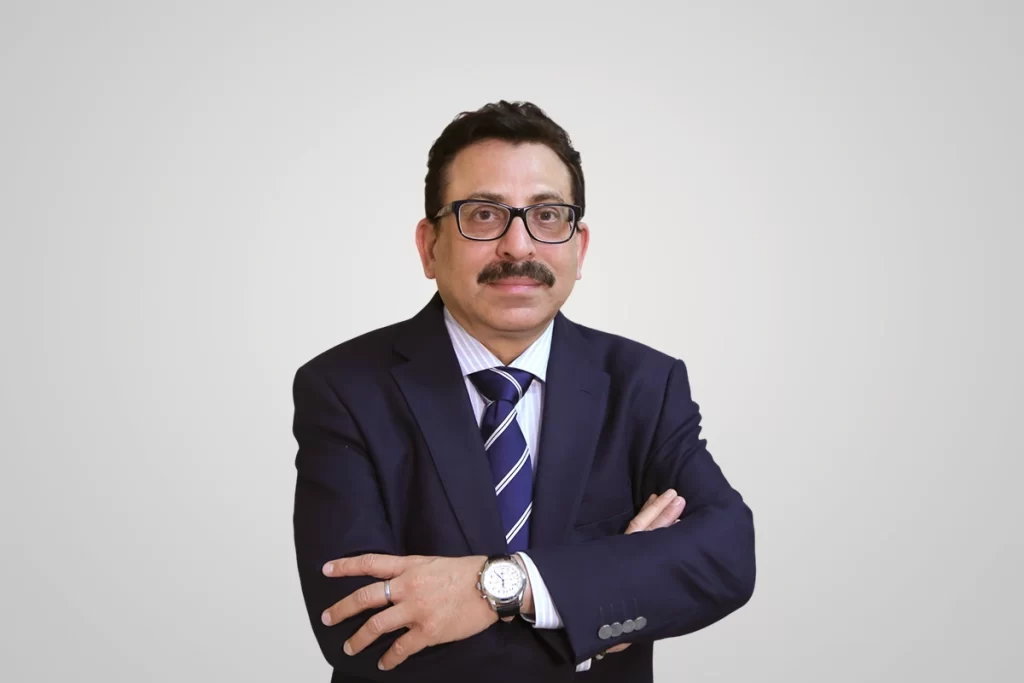
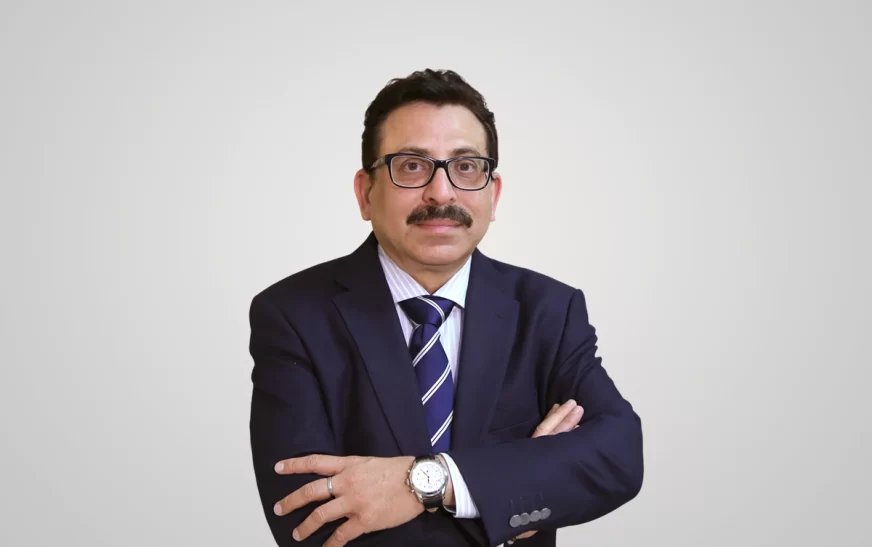
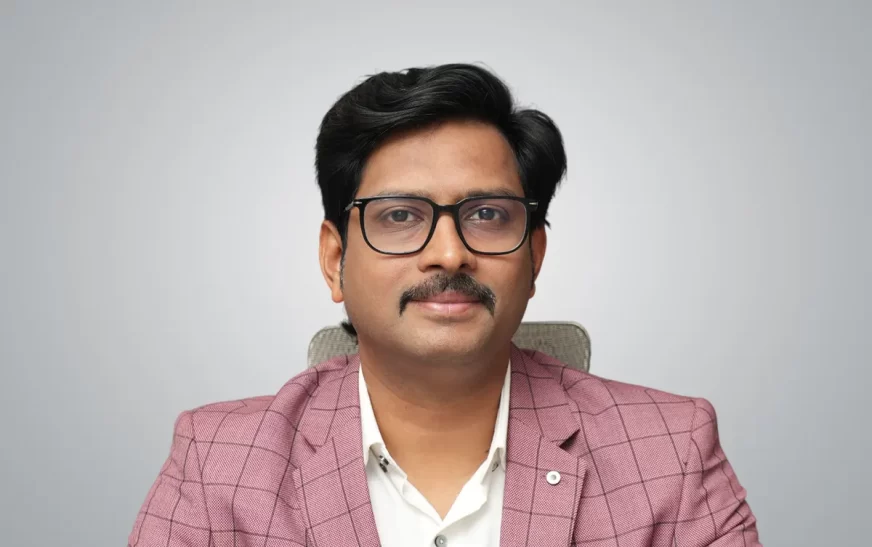
Ajay Kapoor
Chief (Legal, Regulatory and Advocacy)
Tata Power Company Ltd.
The Lawyer at the Table Where Power, Policy and Business Meet
Ajay Kapoor
Chief (Legal, Regulatory and Advocacy)
Tata Power Company Ltd.
Ajay Kapoor-Best CXOs in Asia 2026
India’s power sector is entering a defining phase. Renewable energy is expanding, storage and distributed energy are reshaping the grid, and consumers are taking a more active role in how electricity is produced and used. The challenge is to make these moving parts work together within a regulatory framework that can keep pace with change.
This is where Ajay Kapoor’s role becomes significant. As Chief (Legal, Regulatory and Advocacy) at Tata Power Company Limited, he operates at the intersection of business, law, regulation and policy, helping navigate the complexities of a rapidly evolving power ecosystem. His experience across finance, law, risk management, litigation and policy advocacy has given him a perspective that extends beyond any single function. It enables Ajay to connect regulatory realities with business priorities and long-term sectoral shifts. Speaking with TradeFlock, Ajay shares his perspective on leadership, responsibility and navigating complexity in a changing power landscape.
Which life experiences most shaped how you view responsibility, leadership, and difficult decisions? What did they teach you?
Three experiences fundamentally shaped my perspective. The first was working across disciplines. My journey began in finance and expanded into law, regulation, risk management and policy advocacy. This taught me that leadership is about bringing together different viewpoints, understanding consequences and making decisions when certainty is limited.
The second was handling situations involving significant financial stakes and multiple stakeholders. These experiences showed me that responsibility extends beyond commercial outcomes. Leaders are accountable to employees, consumers, regulators, shareholders and society. That taught me that leadership is ultimately stewardship.
The third was managing difficult disputes and litigation. These experiences taught me patience and resilience. I learned that difficult decisions become clearer when guided by principle, facts and purpose.
When changing assumptions disrupted your plan, how did you decide what to protect, change, or let go?
The power sector operates under constant uncertainty, shaped by regulatory changes, market shifts and policy developments. One lesson I have learned is to distinguish between objectives and methods when assumptions change. Objectives should remain stable, while methods must remain flexible.
In such situations, I focus on protecting core principles: compliance, financial sustainability, stakeholder trust and long-term strategic direction. I then reassess execution based on the new reality. Some initiatives may need acceleration, others redesign, and some may need to be abandoned.
The key is not to become attached to a plan. Leaders must remain committed to outcomes, not assumptions. Adaptability often determines success.
What transformation strategy have you found most effective in getting people to embrace change?
One principle stands above all: people support what they help create. Transformations often fail when leaders focus on announcing the destination instead of involving people in the journey. When teams understand why change is necessary and contribute to its design, resistance falls.
Successful transformation requires three things: a compelling case for change, visible leadership commitment, and consistent communication and engagement. Processes and systems can be redesigned quickly, but mindsets take longer. My key lesson is that transformation is ultimately a human challenge. When people feel respected, informed and involved, they are far more likely to embrace change and make it work.
When did the best legal position differ from the best business solution, and how did you balance the two?
This situation arises more often than people imagine. There have been instances where the company had a strong legal case and could have pursued prolonged litigation. However, a legal victory is not always the best commercial outcome. Litigation consumes management bandwidth, time and resources, and can delay strategic priorities.
My approach is to ask three questions: What is legally correct? What is commercially sensible? And what supports long-term relationships and business sustainability?
In some matters, the right course was a pragmatic settlement rather than pursuing every legal remedy. That does not mean compromising principle; it means seeking the best overall outcome. Effective legal leadership protects value, reduces risk and helps the business move forward.
What regulatory issue in India’s evolving power sector deserves more attention, and why?
I believe grid modernisation and the integration of distributed energy resources deserve far greater regulatory attention.
India has made significant progress in renewable energy, but the next challenge is integrating growing capacity while maintaining reliability, affordability and consumer choice.
Distributed energy resources, battery storage, demand response and advanced grid technologies will reshape power systems. Regulation must evolve alongside these technologies, providing clarity on incentives, consumer participation and grid services. Getting this right can help India build a cleaner, more resilient and consumer-centric energy ecosystem while avoiding inefficiencies caused by regulatory gaps.
How has giving back shaped you, and how can leaders create opportunities for the next generation?
My journey was shaped by mentors, colleagues and institutions that invested in my development. No individual succeeds alone, and that creates a responsibility to support others in return.
Experienced leaders can contribute by mentoring young professionals, building their confidence and judgement, and creating opportunities rather than simply offering advice. They can also support initiatives that advance education, skills and inclusion.
Knowledge, networks and influence matter most when they help others grow. I believe a leader’s lasting legacy lies in the people they develop and the opportunities they create for future generations.