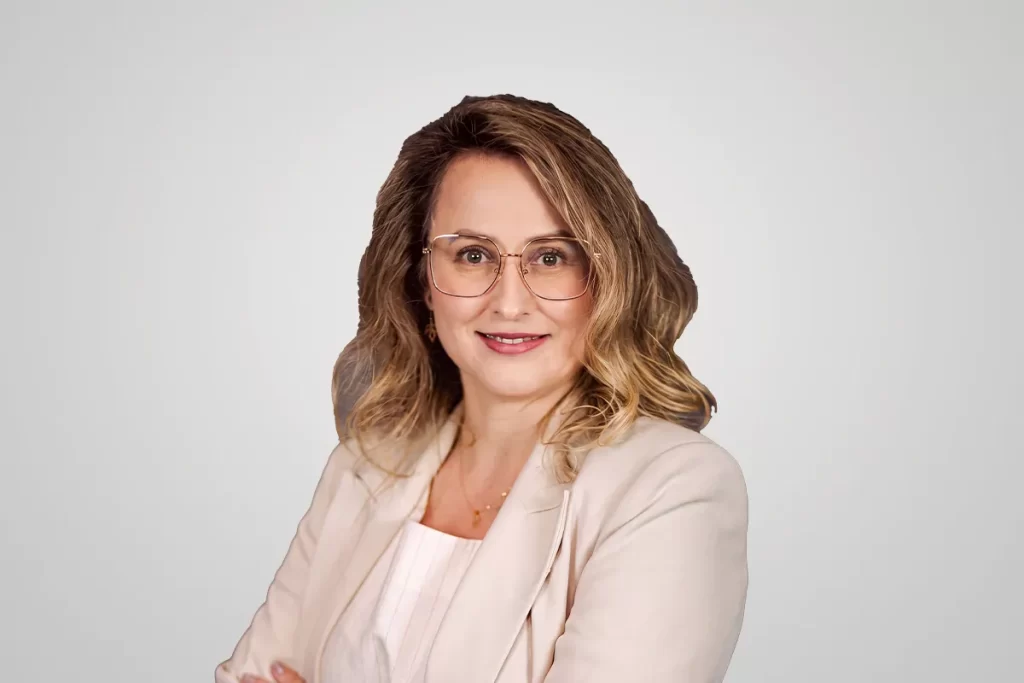
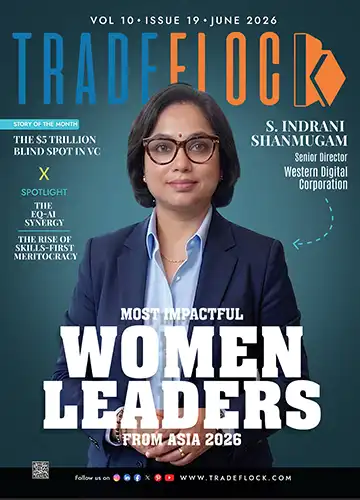
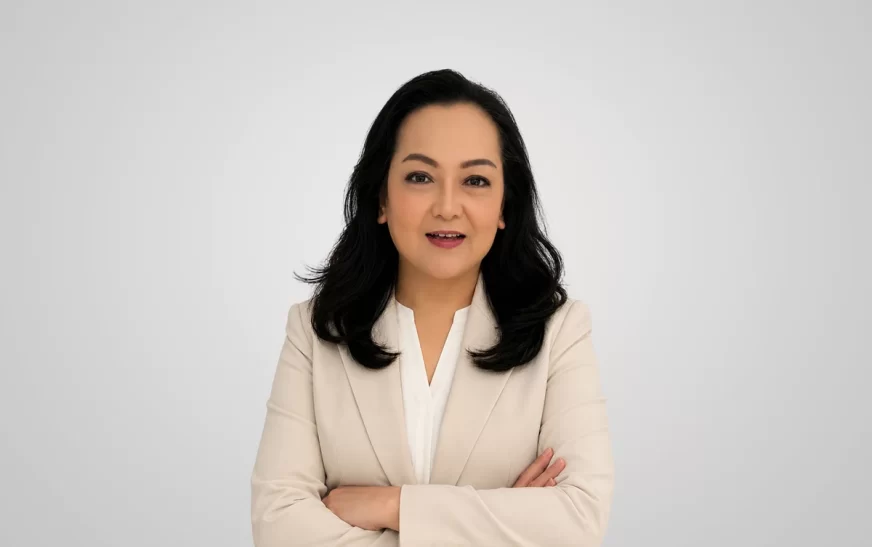
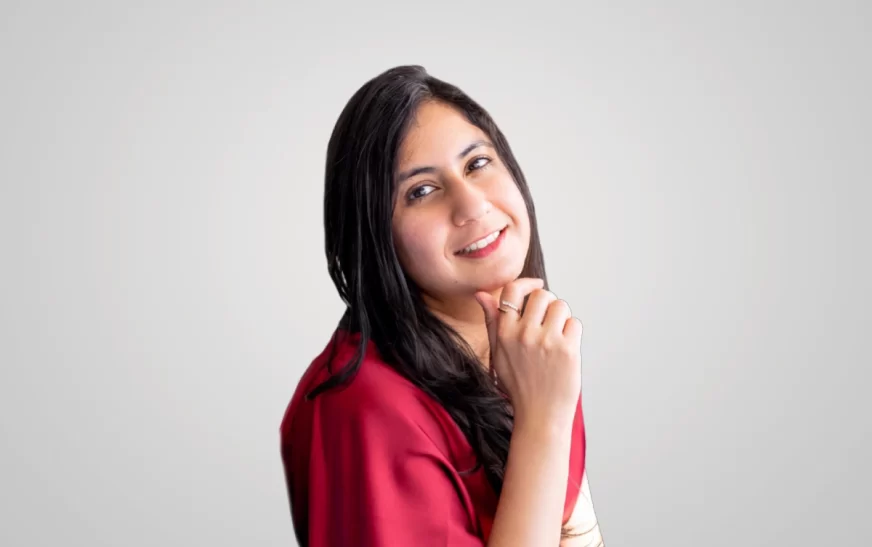
Anna Niemiec, PhD-Most Empowering Women Leaders to Watch in 2026
Scientific expertise can generate knowledge. Leadership determines what an organisation does with it.
For Anna Niemiec, PhD, R&D Director, Pest Control at Vestacy, the role of science has never been limited to the laboratory. Across R&D, innovation and global organisations, she has built her career around turning scientific understanding into strategic choices, consumer-relevant solutions and stronger teams.
Her leadership philosophy is grounded in a simple idea: innovation becomes meaningful when evidence, business context and human needs are considered together. That means translating complexity into clarity, knowing which questions matter most and developing people who can make sound decisions independently.
In conversation with TradeFlock, Dr Niemiec reflects on the experiences that shaped her approach to science, strategy, organisational change and leadership.
What first taught you to connect science with real-world impact?
My academic background in chemistry and physical chemistry taught me how to investigate problems rigorously, build evidence and challenge assumptions. Industry taught me something different: knowledge creates its greatest value when it helps solve a real problem.
That changed how I began to think about science.
A scientifically strong idea is important, but it is only the beginning. We also need to ask: What does the consumer actually need? What problem are we trying to solve? Will the solution work in real conditions? Can we produce and scale it responsibly?
Those questions move science from possibility to impact.
Over time, I realised that the strongest solutions emerge when different functions work together. Scientists understand the technology. Consumer teams understand behaviour. Operations understands feasibility. Commercial teams understand the market.
Leadership is about connecting those perspectives and helping an organisation see the whole picture.
That is when R&D becomes truly strategic: when scientific knowledge guides decisions and creates meaningful value for consumers.
How did unfamiliar environments shape the leader you became?
Moving across countries, languages, academic systems and industries taught me something fundamental. You do not always need to feel completely ready before you begin.
I learned by doing the work, asking questions, observing carefully and remaining curious.
Unfamiliar environments also taught me to listen differently. Working across cultures teaches you that your perspective is only one perspective. The same situation can be interpreted in several ways, and those differences can be extremely valuable when solving complex problems.
That has strongly influenced how I think about both innovation and leadership.
Diversity is not simply about representation. It improves the quality of our thinking. Different experiences help us identify assumptions we might otherwise miss.
Over the years, curiosity has become one of the leadership capabilities I value most. Expertise matters, but expertise without curiosity can become limiting.
“Science taught me to question. Industry taught me to translate. Leadership taught me to connect.”
How do you respond when commercial urgency meets incomplete evidence?
I do not see scientific rigour and business speed as opposites. Good science can actually accelerate decision-making because it helps us focus on the questions that genuinely matter.
When evidence is incomplete, I first separate three things: what we know, what we do not know and what we must know before moving forward.
Not every uncertainty carries the same risk.
Some areas allow no compromise—consumer safety, scientific integrity, and regulatory requirements, for example. But rigour should not become a reason for endless analysis either.
The strategic question is: what evidence would materially change our decision?
From there, we can determine which information reduces the most important risk, what additional work is truly necessary and what uncertainty we can responsibly accept. That is as much strategy as it is science.
The objective is not to generate the maximum amount of data. It is to generate the right evidence at the right time so the organisation can make a responsible and informed decision.
What has leading through organisational change taught you about helping people navigate uncertainty while continuing to deliver?
One of the most important lessons I have learned is that leaders cannot always create certainty.
Sometimes the environment changes faster than the answers become available. What leaders can create is clarity.
People need to understand what remains important, what has changed, what needs to be decided now and where they have ownership. During periods of change, I focus strongly on communication and priorities. I am transparent about what we know and equally transparent about what we do not yet know.
That honesty matters because trust becomes especially important when certainty is limited.
At the same time, the work still has to move forward. Innovation does not stop. Consumer needs do not stop. Scientific priorities do not disappear as an organisation evolves.
Leadership in those moments means creating enough stability for people to act while preserving enough flexibility for them to challenge assumptions, adapt, and help shape what comes next.
What kind of scientific leaders do you want to develop next?
I want to develop scientists who are technically strong and who can also think beyond their discipline.
The future R&D leader needs scientific depth and the ability to understand consumers, risk, business priorities, operations and people. They need to translate complexity and explain why a technical decision matters across the organisation.
That broader judgment develops through exposure.
People grow when they work across functions, markets and cultures; when they interact with consumers, laboratories, suppliers and business teams; and when they are trusted with meaningful decisions.
As a leader, I define the outcome and the guardrails clearly, then give people room to determine how they will get there.
My objective is not to build teams that depend on me for answers. It is to develop leaders who can make strong decisions when I am not in the room.