Making Uncertainty Governable
Susy Harjanti
Group CFO
Palm Oil Industry
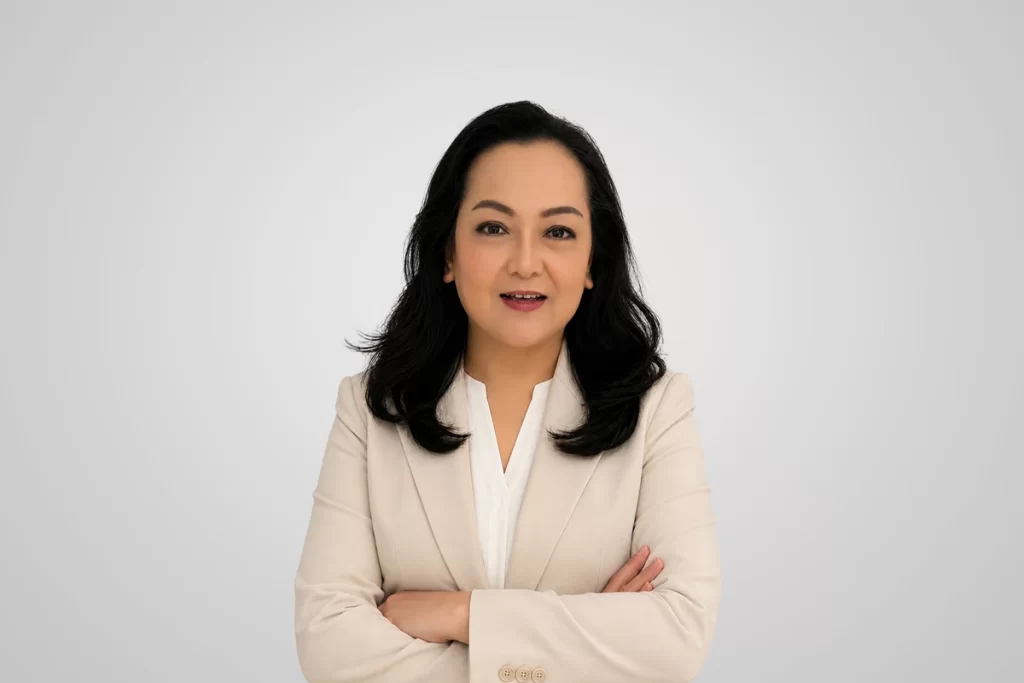
Making Uncertainty Governable
Susy Harjanti
Group CFO
Palm Oil Industry
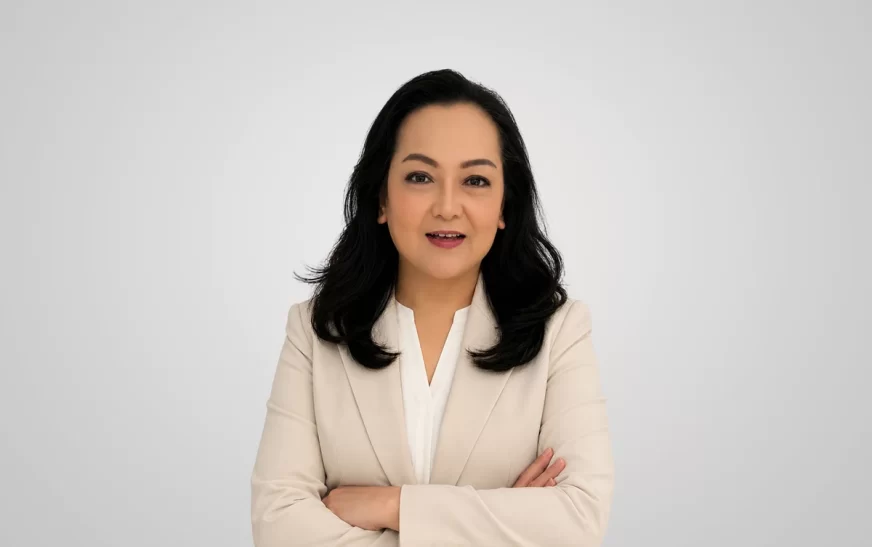
Susy Harjanti-10 Best CFOs from Asia 2026
Talking exclusively to TradeFlock, Susy talks through a career that’s taken her across FMCG, manufacturing and agribusiness — three industries, three very different definitions of where value actually comes from. Palm oil, she says, is where all of it collides: commodity swings, policy dependence, exports, traceability, currency risk, sometimes all in the same quarter.
She’s candid about how her thinking on leadership has shifted too. Early on, she believed a good CFO meant certainty in tight forecasts and clean answers. Three decades in, she’s landed somewhere else: control builds trust, but leadership is about making decisions before all the facts are in.
There is also a research thread running through the conversation. Her doctoral work keeps bringing her back to the same question: sound economics, policy and technology may support an investment case, but they do not by themselves guarantee sustainable outcomes. That also requires leadership, organisational culture, stakeholder alignment and governance to translate those strengths into performance.
Let’s read the interview here.
What experience most changed your approach to capital allocation?
While assessing a large-scale downstream palm oil investment with multibillion-dollar revenue, I concluded an attractive IRR was necessary but not sufficient. Capital had to build capabilities that create resilient, long-term value. That meant testing whether the returns were actually executable: could the business secure feedstock, hit the required utilisation, sell the right mix, manage logistics, and reach its target markets?
From then on, every investment had to deliver credible returns while strengthening the wider business. Sustainability performance became part of the investment case, alongside liquidity and balance-sheet resilience. Capital could be staged, paused or redirected as evidence emerged, protecting liquidity while preserving the capacity to invest, innovate and adapt responsibly.
Which investments deserve patience, and what signals guide you?
Patience has to be earned by evidence, not time. I give an investment room to mature as long as its strategic purpose still holds and leading indicators show capital is converting into value, like utilisation, reliability, improving unit economics, and liquidity within agreed guardrails.
For policy-enabled investments like biodiesel, I also look at policy continuity, technology readiness, logistics and credible demand. Sustainability matters throughout too — whether the investment is improving resource efficiency, not just adding capacity. At every stage gate, funding continues only if the milestones still hold up.
When those signals strengthen, patience protects value. When they weaken, discipline means tightening funding or redeploying capital before patience turns into inaction.
What does a finance-only perspective miss about the business, and how has that shaped your leadership?
Financial results are lagging evidence of earlier choices in operations, systems and people. A margin variance might start with feedstock quality, product mix or utilisation. A working-capital gap may reflect disconnected procurement, inventory, sales and collection routines rather than a treasury problem. That has taught me that finance must go beyond scorekeeping and help shape the decisions that drive performance.
Across capital-intensive businesses, I’ve learned to trace numbers back through the process and listen to the people closest to execution. In my current multi-entity role, cross-functional reviews expose weak hand-offs and unclear decision rights fast. So, I bring operations, commercial, sustainability and finance into decisions early and assign accountable owners.
Finance becomes the connector, linking data, people and decisions to capital priorities. Performance improves when teams trust the data, understand the cause, and own the fix together.
What palm oil industry challenge is being underestimated, and how should finance leaders prepare?
Finance leaders should model multiple policy pathways rather than rely on one forecast, stress-test feedstock and FX exposure, and include logistics and working-capital needs in the investment case. Downside scenarios and stage gates for technology, permits, supply and offtake readiness should expose sequencing risks before capital is locked into inflexible capacity. Sustainability data should support market access, while early engagement with regulators, suppliers and customers continuously tests assumptions. As policy, technology and markets evolve, assumptions must be revisited to keep capital adaptable rather than stranded.
What has your doctoral research changed about how you think and decide as a CFO?
My doctoral research started with questions from work that financial analysis alone couldn’t answer. It challenged something I’d long assumed: that sound economics, policy and technology were enough to produce sustainable outcomes. The evidence showed that leadership, organisational culture, stakeholder alignment and governance were also essential to translating those strengths into sustainable outcomes. That shifted the questions I now bring into investment reviews. An investment clearing the return threshold only moves forward with accountable owners, verifiable data and governance behind it — not just feasibility, but whether incentives support the right behaviour and stakeholders can sustain what’s proposed.
The exchange runs both ways. Experience shapes my research questions, research sharpens my judgement, and decisions raise new ones worth studying. Publishing in peer-reviewed journals lets me bring lessons from Indonesia’s palm oil and biofuel sector into conversations where they can be tested and refined further.
What belief about finance leadership have you changed over three decades, and why?
Earlier in my career, I thought strong finance leadership meant providing certainty through control, precise forecasts, and correct answers. Three decades across FMCG, manufacturing and agribusiness changed that. Each industry runs on a different engine of value: consumer choices in FMCG, execution in manufacturing, and in palm-oil downstream, a mix of commodity exposure, policy dependence, traceability and FX risk all at once.
Over time, I watched the CFO role expand, not away from stewardship, but toward judgement, integration and foresight. The decisions that mattered most rarely came with complete information, and waiting for certainty was often its own risk. Today, I see control as the foundation of trust, while leadership is about making uncertainty governable.
I get into discussions earlier, surface trade-offs, separate reversible choices from long-term commitments, and set checkpoints as evidence comes in. A CFO’s value lies not in predicting everything but in enabling sound decisions before everything is known.
How do you link sustainability goals to capital allocation, KPIs and accountability, and where do companies get it wrong?
Sustainability only becomes real once it’s inside the investment case, not bolted on after approval as a reporting exercise. I start by connecting each goal to value, including resource efficiency, risk reduction, market access, resilience or revenue, and then set a baseline, an owner, milestones and a timeline. The KPIs tie financial outcomes to operational and sustainability measures like yield, energy and water intensity, waste recovery, emissions, traceability, safety and community impact.
The same cadence we use to review returns should test these measures too, with stage gates, funding consequences and corrective action when delivery falls short. Verified performance informs subsequent funding decisions; accountable owners explain variances and remain responsible for recovery.
Where companies get this wrong is separating sustainability from capital decisions, rewarding activity over outcomes, or treating disclosure as performance. Finance has to make trade-offs visible and hold owners accountable throughout, so sustainability actually shapes where capital goes.
What will distinguish the most effective CFOs over the next decade, and which capability are future CFOs underinvesting in? How are you preparing?
The next decade will belong to finance leaders who pair discipline with judgement, not one at the expense of the other. I see AI not simply as a way to accelerate reporting but as a way to sharpen decisions, surface trade-offs and connect capital, operations, sustainability and risk across the business. What I believe we are underinvesting in is decision translation: turning data, technology and AI outputs into governed decisions that people understand, trust and act on. Technology can generate insight, but it cannot resolve accountability or incentives, nor determine when human judgement should override a model.
I’m preparing by building decision-grade data and clearer process ownership across a multi-entity business, using scenario thinking to pressure-test commodity, policy and market assumptions, and bringing teams in earlier so models get challenged against real execution. Alongside my research, I’m also training finance talent to question AI, not just consume it.
What advice would you give future CFOs, and what lesson shaped you most?
Build strong financial foundations while remaining curious about how corporate sustainability performance shapes value and resilience. The next generation of CFOs can bring sustainability governance into every capital decision through reliable data and accountability. Yet frameworks do not deliver performance alone.
Finance leaders must turn commitments into shared behaviours, incentives and everyday decisions, making culture the bridge between governance and measurable, lasting results. One lesson learned later than I would have liked is that finance creates its greatest value by shaping decisions before capital is committed. Capital creates enduring value only when people understand its purpose and own its execution.
All Magazines -
Success Insights
Susy Harjanti-10 Best CFOs from Asia 2026