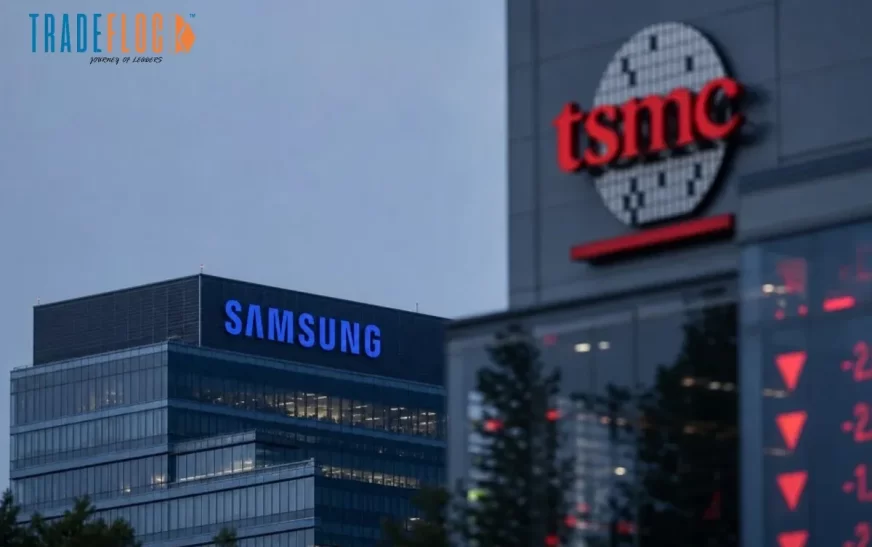
Samsung Electronics is receiving more demands from major companies to make advanced chips, as the world’s top chipmaker, TSMC, is running short on capacity due to strong demand for artificial intelligence (AI) technology, according to a Nikkei Asia report. China’s largest electric vehicle maker, BYD, is in talks with Samsung to produce future chips for self-driving cars. Meanwhile, Google is discussing plans to have Samsung manufacture its next-generation Axion processors, which are expected to launch around 2028. Google is also considering Samsung for part of its Tensor Processing Units (TPUs), which are used for AI computing.
The report also said that AMD is discussing the possibility of having Samsung make some of its future central processing units (CPUs). Currently, only three companies, TSMC, Samsung Electronics and Intel, can produce the most advanced chips on a large scale. TSMC already handles most of the advanced chip orders from major technology companies, leaving little extra manufacturing demand available.
Growing AI demand is driving companies to seek alternative suppliers. Consequently, Samsung has seen a sharp rise in global inquiries from both new and existing customers, including firms in China. The growing demand is also helping South Korea’s exports. The country’s exports of semiconductors surged 61.2% in May from a year earlier in terms of value, powered by increasing demand for artificial intelligence technology, while shipments of cars jumped 16.4%, according to official data.
TSMC plans to spend tens of billions of dollars to expand its production capacity, but building advanced chip factories takes years and requires huge investments. As a result, chipmaking capacity is expected to remain tight in the near future.