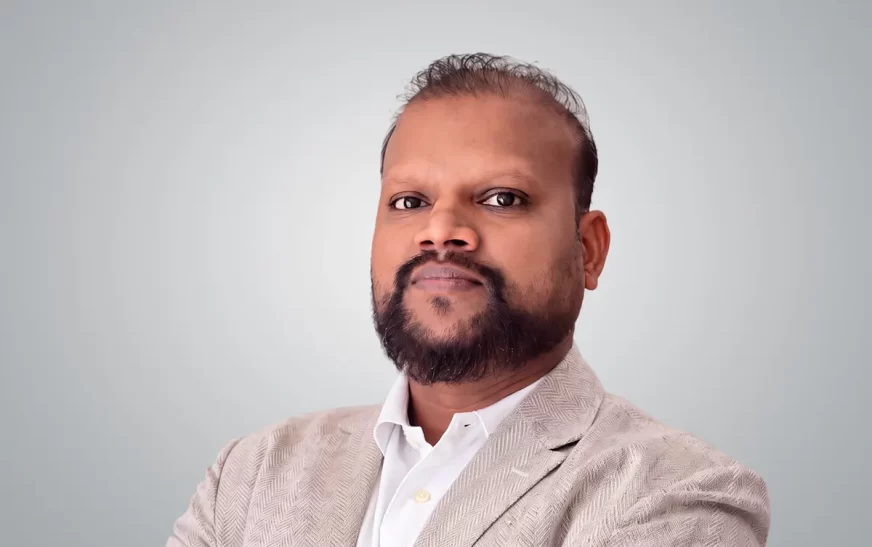

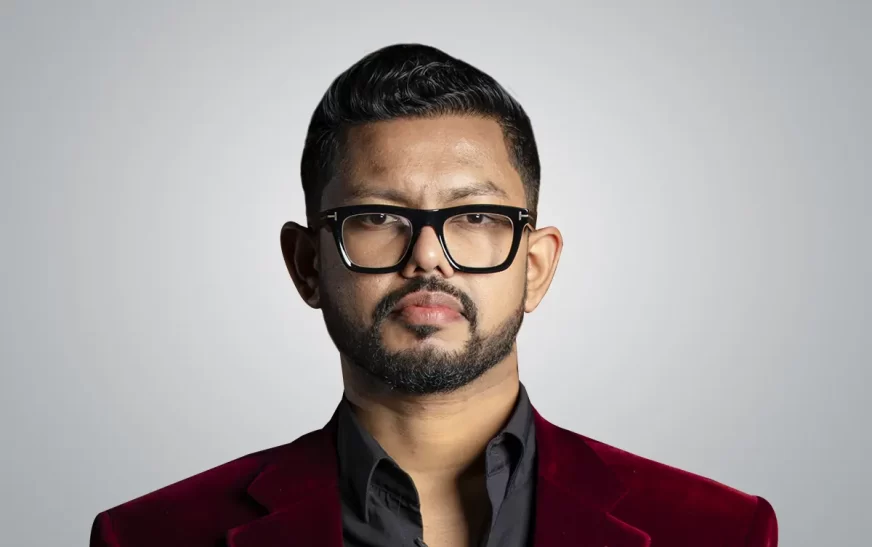
Troy Negley-Most Inspiring Global HR Leaders 2026
Recruiting is a profession few intentionally pursue, yet those who stay long enough discover its extraordinary impact. Troy Negley is one of them. Over a career that has spanned faxed résumés and early job boards to today’s AI-powered platforms, he has witnessed and helped shape the industry’s evolution. What has remained constant is his belief that great hiring is defined not by tools, but by people and the possibilities they unlock.
Troy has led hiring at scale, from supporting workforces of more than 20,000 at Vail Resorts to driving enterprise-wide talent strategy across the Americas at Arrow Electronics. Today, he leads talent acquisition and technology at Optiv Security, continuing to champion a people-first approach to recruiting.
In an exclusive conversation with TradeFlock, he reflects on where recruiting has been, where it’s going, and why the human experience remains its center of gravity.
Your journey into talent acquisition wasn’t planned. What made it become a long-term pursuit?
My recruiting career didn’t begin with an intentional plan; it rather started almost by accident. I was working in retail when I was asked to help in a temporary recruiting role. Within a few months, something shifted. I realized this wasn’t just another job; it was the beginning of the work that would shape my entire career.
I was immediately struck by the overall impact of hiring, which goes far beyond filling positions. When someone says yes to a new opportunity, their life changes. Their family’s life changes. Their future opens in a direction they may never have imagined. Once you see that up close, you can’t approach the work casually. It becomes personal.
I’ve witnessed the field evolve from paper résumés and early job boards to the digital ecosystem we navigate today. The tools have transformed dramatically, but the heart of the work, the human outcome, has always been the constant. That’s the part that’s kept me here all these years.
What separates effective from ineffective talent acquisition leaders when entering new organizations?
Effective leadership isn’t about reacting to breakdowns; it’s about recognizing emerging patterns before they become barriers. Those insights surface through relationships, data, and the subtle feedback loops that reveal how an organization truly operates.
Stepping into a new environment requires patience and precision. Rather than rushing to prescribe solutions, the real work begins with understanding why. For example, why do certain roles consistently test the system while others do not? Often, the issue extends beyond external talent availability—it may reflect internal misalignment, lack of role clarity, extended decision-making rhythms, or a poor candidate experience.
I often remind my team that data informs the story, but it isn’t the story itself. Data helps you analyze the problem, but you must stay mindful of the influences or issues the numbers alone may not surface. When leaders diagnose these dynamics thoughtfully, they create the conditions for hiring to become not just efficient but genuinely transformative.
After two decades in talent acquisition, what truly differentiates a great workplace from the rest?
What shapes whether people stay or grow elsewhere still comes down to how an organization functions day to day. The old saying that people join companies but leave managers continues to hold true. A great workplace creates alignment, not the forced kind, but a shared sense of purpose and direction from leaders. It balances accountability with room to learn, encourages collaboration without removing ownership, and builds trust through consistent actions rather than slogans alone. When people lead with positive intent and genuinely try to understand one another, it creates an environment where teams want to show up and do their best work together.
Having seen the shift from highly manual systems to the future potential of AI, how do you envision balancing technological acceleration with the human experience at the heart of recruiting?
Every era of HR technology has arrived with its own wave of anticipation. When digital platforms first appeared, they were met with the same mix of disruption and possibility we’re seeing now with AI. The difference today is the intensity—speculation, fear, excitement, and curiosity are all colliding at once.
Simon Sinek’s reminder to start with why is especially relevant. As AI accelerates, leaders must be anchored not just in what they want to achieve, but in why it matters. The responsibility for evaluating talent still rests with people. Technology has simply widened the lens—expanding reach, increasing speed, and giving us access to talent we couldn’t see before.
The real promise of AI isn’t replacement; it’s amplification. When used thoughtfully, it sharpens judgment, strengthens consistency, and frees leaders to focus on the human moments that matter most. Used without intention, it can introduce blind spots or even cause an adverse impact. Ultimately, the outcome depends on the clarity and care leaders bring to its deployment.
At its core, recruiting is still about one person offering their unique skills, experiences, and potential to help an organization grow. AI can help us find, attract, and assess that potential—but human oversight ensures fairness, equity, and dignity in the process. The future of talent isn’t a contest between humans and technology. It’s a partnership—one where AI elevates our ability to see people more clearly, not less.
“Hire people for their motivation, grit, humility, and learning agility. These are the people who will ultimately help build great companies..”
All Magazines -




Success Insights
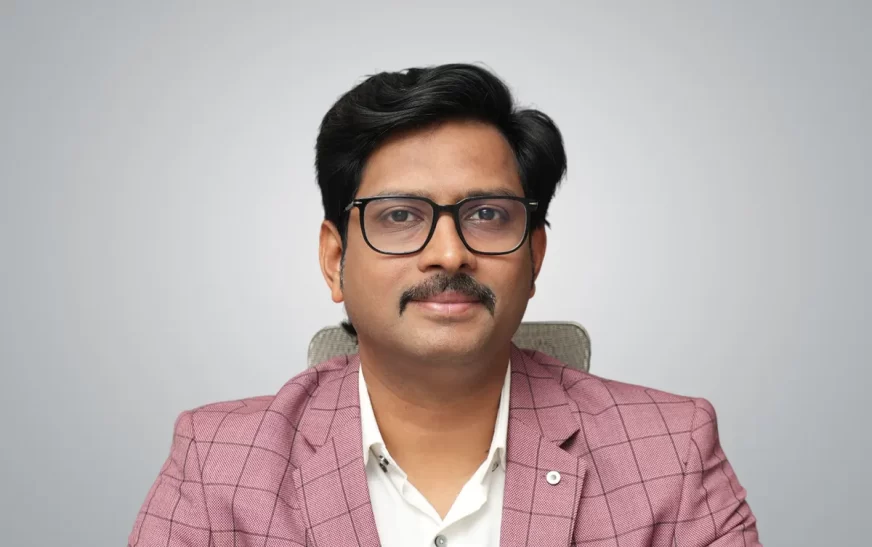
Ravindranath Garaga-Best CXOs in Asia 2026
Dr Tharindu Samarajeewa-Asia’s 40 Under 40 2026