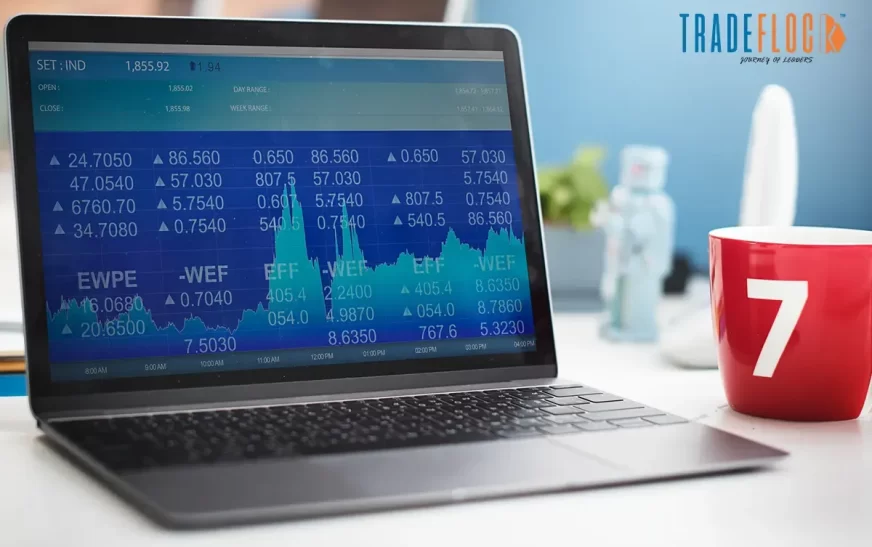
Every decision you make as a forex trader flows through your platform. It’s where you read the market, form your analysis, place your orders, and manage your risk. A platform that’s slow, unintuitive, or poorly connected to your broker’s pricing infrastructure doesn’t just create frustration — it actively costs you money over time through missed entries, delayed execution, and a workflow that works against rather than with your process.
The good news is that the quality of retail trading platforms has improved considerably over the past decade. The bad news is that “more choice” doesn’t always mean “easier decision.” There are now a significant number of platforms competing for your attention, each with genuine strengths and genuine limitations. Understanding what separates them — and which one fits your particular approach — is worth spending proper time on before you commit to anything.
MetaTrader 4: The Platform That Built an Industry
MT4 is the default starting point for any serious conversation about forex trading platforms, and for good reason. It was released in 2005, and despite two decades of competition, it remains the most widely used retail forex platform in the world. That longevity isn’t nostalgia — it reflects something genuinely durable about how the platform was designed.
The core strengths are well-documented. MT4 handles technical analysis extremely well, with a comprehensive set of built-in indicators, multiple chart types, and the ability to layer custom indicators on top of those. The MQL4 programming language allows traders to build and deploy Expert Advisors — automated trading programmes that can execute strategies without manual intervention. The built-in strategy tester lets you backtest those EAs against historical data before risking real capital.
For manual traders, the interface rewards familiarity. Once you’ve set up your chart templates, configured your workspace, and mapped your preferred layout, MT4 stays out of your way and lets you focus on the market. There’s no unnecessary complexity cluttering the experience.
Alternatively, MT4 from FxPro pairs that platform reliability with No Dealing Desk execution, competitive spreads across over 70 currency pairs, and a well-maintained server infrastructure that holds up during high-volume trading sessions. It’s available on desktop, browser, and mobile — and the consistency across devices is noticeably better than many broker implementations of the platform.
MetaTrader 5: Broader Scope, Greater Depth
MT5 is the natural successor to MT4, though “successor” slightly overstates the case — they’re parallel platforms with different strengths rather than a straight upgrade path. MT5 was built to handle multiple asset classes, not just forex, which gives it a broader scope from the outset.
The technical toolkit is expanded relative to MT4: 38 built-in indicators versus 30, six pending order types versus four, and a more powerful strategy tester that supports multi-currency backtesting. The integrated economic calendar is a useful addition, keeping upcoming data releases visible within the platform itself rather than requiring a separate tab or tool.
For traders who work across forex, indices, metals, and equities from a single account, MT5 is the more practical choice. The additional complexity is real but manageable, particularly if you’re already comfortable with the MT4 environment.
cTrader: Built for Transparency and Speed
cTrader occupies a distinct space in the platform landscape. Where MT4 and MT5 were built with broad market appeal in mind, cTrader was designed from the ground up for ECN and STP trading environments — which means it prioritises transparency, execution speed, and full market depth visibility.
The interface is cleaner and more modern than the MetaTrader platforms, and the charting engine is fast and responsive. Level II pricing — the full order book showing available liquidity at multiple price levels — is displayed natively, giving traders a clearer picture of market conditions than a simple bid/ask spread provides. For traders whose strategy depends on understanding where liquidity actually sits, this is meaningful information.
If you’re running an execution-focused strategy — scalping, news trading, or any approach where the quality of fills matters significantly — try cTrader and test it on a demo account before drawing conclusions. The difference in execution transparency compared to a standard market maker environment can be considerable, and it’s the kind of thing that’s easier to appreciate through direct experience than through description.
TradingView: The Charting Benchmark
TradingView isn’t a broker platform — it’s an independent charting and analysis tool, and it’s the best in its category by a meaningful margin. The charting engine is exceptionally fast, the indicator library is vast, and the ability to publish and access community analysis adds a social dimension that no broker-native platform replicates.
For traders who want the best possible analytical environment, TradingView as a charting layer combined with a broker platform for execution is a pairing that covers every base. Many brokers now offer direct TradingView integration, allowing orders to be placed from within the charting interface — which reduces the friction of switching between tools.
Proprietary Platforms: Worth Considering
A number of brokers have invested in developing their own proprietary platforms, and the best of these are genuinely competitive. FxPro’s own platform, for example, is built for accessibility — cleaner than the MetaTrader interfaces, faster to navigate for traders who don’t need every advanced feature, and well-optimised for both browser and mobile use.
Proprietary platforms often integrate broker-specific tools more smoothly than third-party platforms do — research feeds, sentiment data, and risk management tools tend to sit more naturally within a platform built specifically around the broker’s offering.
Matching the Platform to Your Approach
The right platform is the one that fits how you actually trade, not the one with the most features or the longest history. A trader running automated strategies through EAs needs MT4 or MT5. A trader whose priority is execution transparency and market depth benefits from cTrader. A trader who puts analysis first and wants the richest charting environment available should start with TradingView.
Most serious traders eventually land on a combination — a broker platform for execution, a charting tool for analysis, and a mobile app for monitoring positions on the move. The key is understanding what each tool does well and building a setup that covers the full workflow without unnecessary gaps or redundancy.