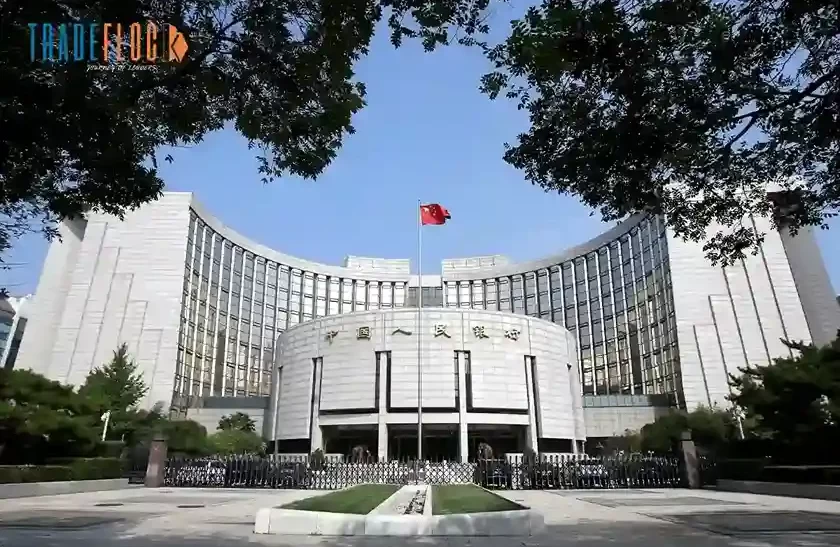
The beginning of 2026 comes with a lot of buzz around the stock market, especially after recent lows that have made people rethink their entire investment plans. During the inflation and global uncertainty, the Asia stock market is standing out like a neon sign.
One might wonder why that is happening. It is not that complicated. A combination of technological disruption, geopolitical realignment, and demographic shifts has driven a visible transition, especially toward a low-carbon economy. This transformation is one of the key reasons why stock market of Asia continues to attract global attention.
But the eye-opening part is that this is not just affecting 9–5 employees who have put all their investments in the Asia stock market for retirement safety. This market has also significantly affected major players, including institutional investors, corporate leaders, and policymakers. According to recent statistics, Asia has become a major investment hub, shaping the future of global capital allocation, innovation, and regulation.
The Asia stock market has become one of the most influential forces in the global economy. From Japan’s technology giants to China’s massive industrial base, Asia offers a diverse range of investment opportunities. But it’s also complex, fast-moving, and deeply connected to global events. If you are new to the Asian Stock Exchange and want a clear, practical breakdown on how the Asia stock market works, then you have landed on the right informational blog.
Through this blog, we will walk you through the diverse range of investment opportunities in the stock market in Asia, which is complex, fast-moving, and deeply connected to global events. Let’s start with the basics:
Overview of Asia Stock Market
According to news providers such as CNBC, Bloomberg, Reuters, Investing.com, and MarketWatch, the Asia stock market comprises national and regional stock exchanges, benchmark indices, listed companies, trading infrastructure, market participants, and regulatory frameworks within and across Asian borders.
The majority of these national exchanges comprises a network of stock exchanges across Asian countries, including major financial hubs such as Japan, China, India, and South Korea.
In a nutshell, the Asia stock market is a major contributor to global equity capitalisation and daily trading volumes. This is why it has become an important destination for global capital seeking growth, diversification, and exposure to regional economic cycles.
Now you must be wondering which areas of economic growth are booming and worth your investment. Well, don’t worry too much, it is segmented into three major sectors,
- Developed markets covering Japan, Singapore, etc
- Emerging markets such as India, Indonesia, Vietnam
- Frontier markets, especially targeting smaller Southeast Asian economies
These Asia stock markets are interconnected with global economies and home to some of the largest financial trading hubs.
In short, the Asia stock market is not a single market but a combination of many regional markets. This categorisation will help both new and experienced investors make customised strategies that suit their current and upcoming economic landscape
Major Stock Exchanges & Indices (2026 Edition)
The Asia stock market, one of the world’s most important financial regions, attracts investors, traders, and analysts from every corner of the globe. But if you are new to trading or have had zero luck getting returns in the Asia stock market, then you need to know the key players before trading or investing in any major share market.
Major Stock Exchanges of the Asia Stock Market:
- Tokyo Stock Exchange (Japan): One of the largest stock exchanges globally, hosting over 3,900 companies. As of 2024, its market capitalisation has crossed $6.28 trillion, making it one of the global market giants.
- Shanghai Stock Exchange (China): A major hub for mainland Chinese companies, with a market capitalisation of $7.28 trillion as of November 2024. Further, it operates two boards, the mainboard and the STAR Market, making it a cornerstone of China’s financial ecosystem.
- Hong Kong Stock Exchange: Another prominent Chinese financial hub, which is a gateway for 2,624 listed companies. It has a total market capitalisation of $4.51 trillion, which ties it closely to the Chinese market and makes it a strong option for international investors looking to invest in China.
- National Stock Exchange (India): Though it was established in 1992, it is still one of the fastest-growing markets in the world. It tracks 50+ leading companies, such as Infosys and HDFC Bank, with a combined market capitalisation of $4 trillion.
Key Indices of the Asia Stock Market:
- Nikkei 225: Established in 1950, it currently represents 225 companies listed on the Tokyo Stock Exchange and tracks the top Japanese organisations.
- Shanghai Composite: First introduced in 1990, it primarily focuses on finance, real estate, and telecommunications sectors. It majorly covers 30 top-performing companies listed on the Singapore Exchange.
- Hang Seng Index: Introduced in 1969, it tracks and covers 50 of the biggest companies listed on the Hong Kong Stock Exchange, reflecting the region’s economic and market performance.
- NIFTY 50: NIFTY 50 represents 50 of the largest and most traded companies across 14 sectors on the National Stock Exchange. This makes it a benchmark index for the India and Asia stock exchanges.
These indices act as indicators of economic health and investor sentiment in their respective countries within the Asia stock market.
How the Asia Stock Market Operates?
The Asia Stock Market operates across multiple time zones, resulting in higher growth, as it is the first major market to open each day globally. This often means they work 24 hrs and react to all overnight developments in the US and Europe.
Compared to the US, it is generally more volatile and lacks the stability and consistency that beginner investors look for. Therefore, the Asia stock market is a great market for leading retailers, institutions such as banks and fund centres or foreign investors.
Because the Asia stock market can be both highly dynamic and occasionally volatile, it comes with a unique set of advantages that you would generally not get in other markets:
- Economic growth and GDP trends, which are often higher than those of the US and the European Market
- High Interest rates and lower inflation, that is perfect for today’s highly volatile market
- Strictly follows government policies and reforms, making it a secure market to invest in.
- Global events like wars or oil price changes play a huge role in Asia stock market prices.
Key Trends in the Stock Market (2026)
The Asia stock market has always been evolving at a rapid pace. Though there are some recent trends shaping it at the global level, which is why Asia is increasingly seen as a long-term investment opportunity. These involve:
- AI and technology booms in countries like Taiwan, South Korea, and Japan are benefiting from global demand for semiconductors.
- India’s growth momentum is improving, with retail participation and strong economic growth attracting global investors.
- China’s policy shifts have brought regulatory changes and stimulus measures, influencing market sentiment.
- Increased foreign investment has led investors to diversify away from Western markets into Asia for higher growth potential.
- Corporate governance reforms in countries like Japan and South Korea are improving transparency and shareholder returns.
Latest Opportunities and Risks in Asia Stock Market
Like any other investment market, the Asia stock market comes with both potential opportunities and risks:
Opportunities 2026:
- High economic growth rates lead to significant interest and stability.
- Rapid technological innovation and expansion in the Asia stock market landscape.
- Expansion of the middle-class consumer base, distinct from the current market landscape.
- Attractive valuations compared to Western markets such as the US and Europe.
Risks 2026:
- Geopolitical tensions, which include trade conflicts.
- Currency fluctuations make it a high-risk market.
- Regulatory uncertainty, which makes it a risky market to invest in.
- Market volatility, which is comparatively high, creates an imbalance before investing.
A balanced understanding of both sides is essential before investing in the Asia stock market.
How to Invest in the Asia Stock Market 2026?
There are several ways to gain exposure to the Asia stock market:
1. Direct Stock Investment
You can invest in individual companies with an international brokerage account, which requires thorough research and understanding of specific markets.
2. Exchange-Traded Funds (ETFs)
ETFs allow investors to access a range of Asia stock markets, offering diversification and relatively lower risk.
3. Mutual Funds
Many Indian mutual funds give you exposure to the global or Asia stock market, making them a beginner-friendly option.
Pro Tips for Beginners:
- Focus on a long-term growth plan rather than short-term gains in the Asia stock market. Therefore, try to invest in stocks that provide long-term financial gains.
- Stay updated with global economic trends. This will help you change your investment style every now and then.
In Finality
There is an equal balance of growth, innovation, and opportunities within the Asia stock market. However, it should be pointed out that this particular market might not suit everyone and every country, due to the existence of risk elements within the stock market.
The best approach in the case of investment would be to start small, invest in different markets, and focus more on long-term gains. As long as you have understood the details mentioned above, the Asia Stock Market will certainly help you in your portfolio of investments. If you wish to learn more about the Asia stock market, subscribe to TradeFlock magazine.