Helping People Live Limitless
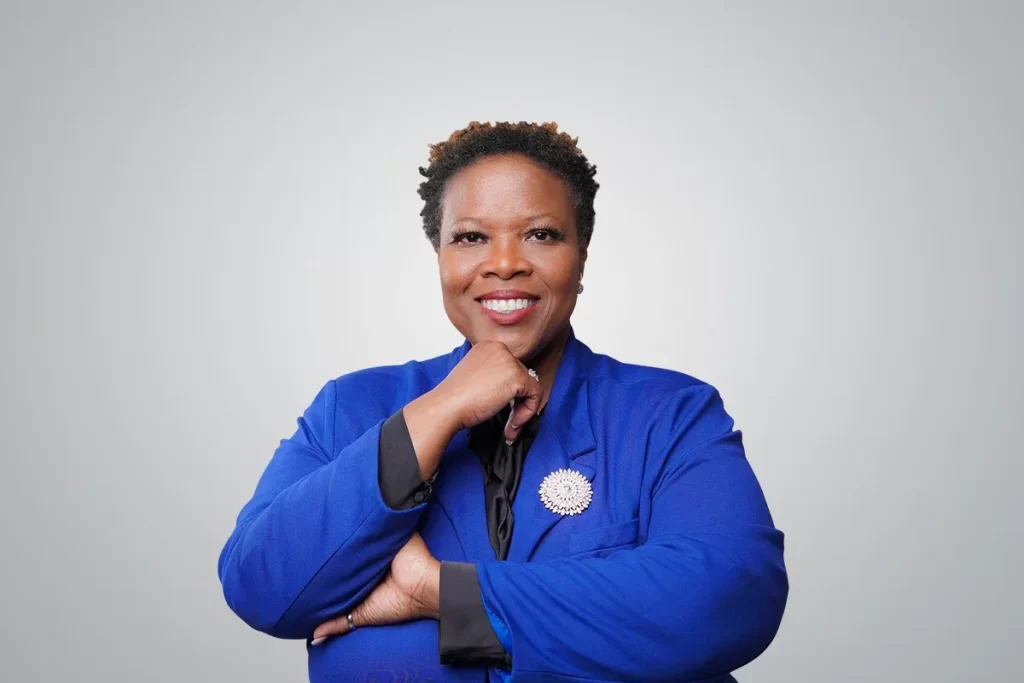
Simmone L Bowe
Leadership and HR Strategist
Limitless Life Consulting
Helping People Live Limitless
Simmone L Bowe
Leadership and HR Strategist
Limitless Life Consulting
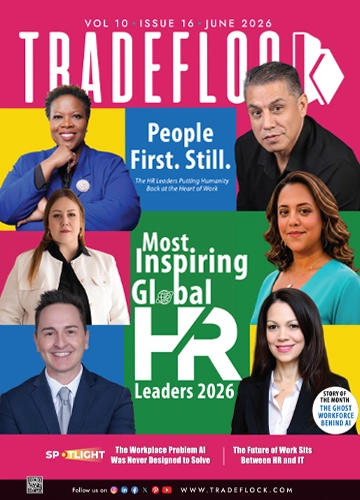
Simmone L Bowe-Most Inspiring Global HR Leaders 2026
What began as a deeply personal realisation eventually became the philosophy guiding Simmone L. Bowe’s career as a leadership strategist, HR executive, author, coach, and founder of Limitless Life Consulting . Long before she was helping organisations shape culture and leadership capability, she was navigating questions of purpose, identity, and possibility in her own life. Over more than twenty years across hospitality, healthcare, tourism, and consulting, that experience evolved into a leadership approach rooted in accountability, self-awareness, and human potential. Today, alongside her corporate leadership work and doctoral research in leadership and change, she partners with executives and organisations to build healthier cultures, stronger leaders, and more engaged teams. Her perspective is shaped as much by lived experience as professional expertise, making her approach both practical and deeply personal. In an exclusive conversation, Simmone L. Bowe spoke with TradeFlock about leadership, resilience, and the choices that ultimately shape our potential.
How have workplace expectations changed, and how has that reshaped your leadership?
Over the past two decades, I have watched workplace expectations evolve in ways that are not always positive. Since the 2008 financial crisis, I have repeatedly heard different versions of the same message: do more with less. Expectations continue to increase, yet many businesses have not evolved how they support the people expected to deliver those results. Companies often promote concepts such as work-life balance and employee wellbeing, but the lived reality can be very different. The unspoken expectation is frequently that work comes first, regardless of personal cost.
Those experiences fundamentally changed how I approach leadership. Demanding more while giving less simply does not work. I believe leaders must model the behaviour they expect, respect that employees have lives outside work, and communicate with radical clarity. People perform at their best when expectations are clear, support is available, and they are treated as human partners rather than resources to be consumed.
What has leadership research taught you that challenges conventional thinking?
One of the most uncomfortable lessons emerging from my doctoral research is how much influence leadership has on whether people feel engaged, valued, and even psychologically safe at work. Leadership is often presented as something aspirational and glamorous, yet the reality is far more demanding than the image many companies promote.
What concerns me most is the declining interest younger generations appear to have in leadership roles. If that trend continues, we may face a significant leadership shortage in the future. Part of the problem is that leadership is often confused with visibility. A polished social media presence, speaking engagements, and professional recognition can create the appearance of leadership, but none of these automatically make someone a leader. True leadership is about creating environments where people can thrive while delivering meaningful results. That responsibility is far less glamorous, but infinitely more important.
“Leadership is not about visibility or status. It is about creating environments where people can thrive and deliver results.”
What have entrepreneurship and personal conviction taught you about leadership?
Building Limitless Life Consulting alongside senior corporate roles taught me lessons that no organisational position could have provided. Running your own platform forces you to confront your character, values, resilience, and commitment. There are no shortcuts. If your purpose is not genuine, sustaining the work becomes incredibly difficult. That experience strengthened my belief in entrepreneurial thinking and why organisations should value employees who possess it. Entrepreneurs learn to solve problems, work with limited resources, adapt quickly, and persist through setbacks. They often approach challenges with an ownership mindset rather than waiting for direction.
The same philosophy sits behind my personal mantra: I decide what limits me. There have been moments in my career when circumstances, administrative barriers, or difficult environments could easily have discouraged me. What carried me through was remembering who I am, focusing on what I could control, and having the courage to walk away from situations that compromised my values or professional integrity. Leadership begins with that decision because the most powerful seat in any room is the one you choose to occupy.
Which leadership and workplace shifts can organisations no longer ignore?
Several shifts are still being treated as optional, even though they are anything but. Technology is one example. Organisations that remain dependent on manual, labour-intensive processes are increasing costs while slowing decision-making and reducing visibility into workforce trends. Succession planning is another area that receives far less attention than it deserves. Without a transparent approach to developing future leaders, organisations risk losing institutional knowledge and creating leadership gaps that become difficult to fill.
Equally concerning is the disconnect between company values and employee experience. Many organisations talk about culture, yet tolerate behaviours that directly contradict the principles they claim to uphold. Workplace wellbeing follows a similar pattern. Every person has limits, and businesses that consistently expect people to operate beyond their capacity eventually pay the price through disengagement, burnout, turnover, and declining performance. Ignoring these issues is rarely a short-term problem. It becomes a long-term business liability.
How do you separate meaningful HR technology from industry noise?
My approach begins with understanding the problem before evaluating the solution. Too many businesses start with a technology platform and then search for a reason to implement it. I prefer to define the need clearly, understand the desired outcome, and then assess whether the technology can genuinely support that objective.
I also spend significant time evaluating providers, testing systems through demonstrations, and speaking with current users about their actual experience. One lesson I learned the hard way is that a strong sales presentation does not always reflect the reality of implementation or long-term usability. There is a difference between buying a product and successfully integrating it into the way people work. Technology should simplify processes, improve decision-making, and increase value. If it adds complexity without delivering measurable outcomes, it becomes noise, regardless of how innovative it may appear.
All Magazines -

Success Insights
Ravindranath Garaga-Best CXOs in Asia 2026
Dr Tharindu Samarajeewa-Asia’s 40 Under 40 2026