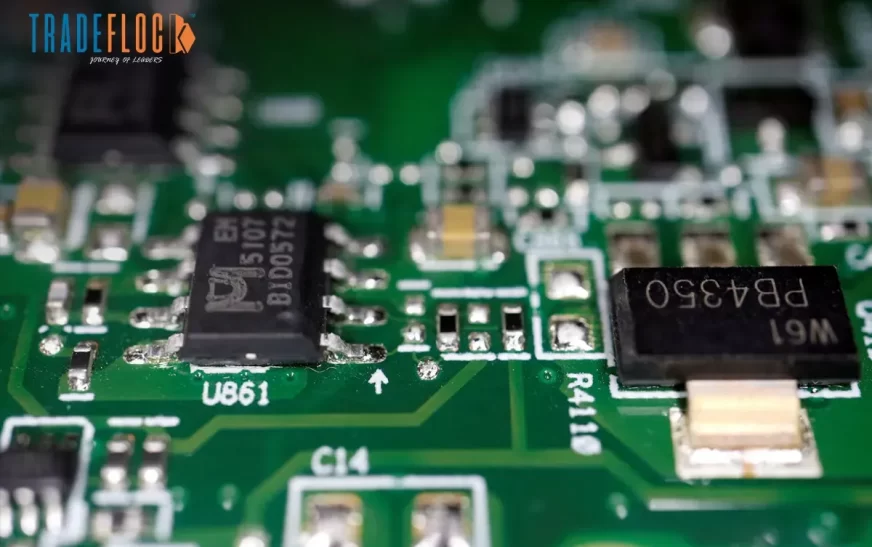
South Korea’s semiconductor industry is on high alert due to a growing crisis in the Middle East involving Iran. This conflict has the potential to disrupt the global chip market in two major ways: by choking the supply of essential manufacturing minerals and by cooling demand for artificial intelligence (AI) technology.
Securing helium suppliesis a primary concern for companies like Samsung and SK Hynix. Helium is a critical gas used to manage heat during chip manufacturing, and there are no better alternatives. Since most of the world’s supply passes through or originates in the Middle East, a prolonged conflict could lead to shortages, stalling production lines and driving up the prices of electronic goods worldwide. Additionally, the rising cost of energy, often a side effect of Middle Eastern instability, will further inflate manufacturing expenses.
On the demand side, the crisis is threatening the AI boom in a specific way. If major tech giants like Amazon, Microsoft and Nvidia pause or cancel AI data centre projects in the Middle East due to recent regional instability, the resulting slowdown would reduce their demand for high-end memory chips. This would lead to a notable drop in demand for South Korean AI chipmakers, affecting sales and potentially dampening industry growth.
Also Read- Australian Job Ads Rise 3.2% m/m in February, ANZ.
Results show the industry is squeezed between constrained mineral supply and falling AI hardware output. South Korean officials warn that, while demand is in a “supercycle,” geopolitical instability could end growth early, hurting companies and the global tech economy.