A Lawyer-turned Conduit of Hope and Courage
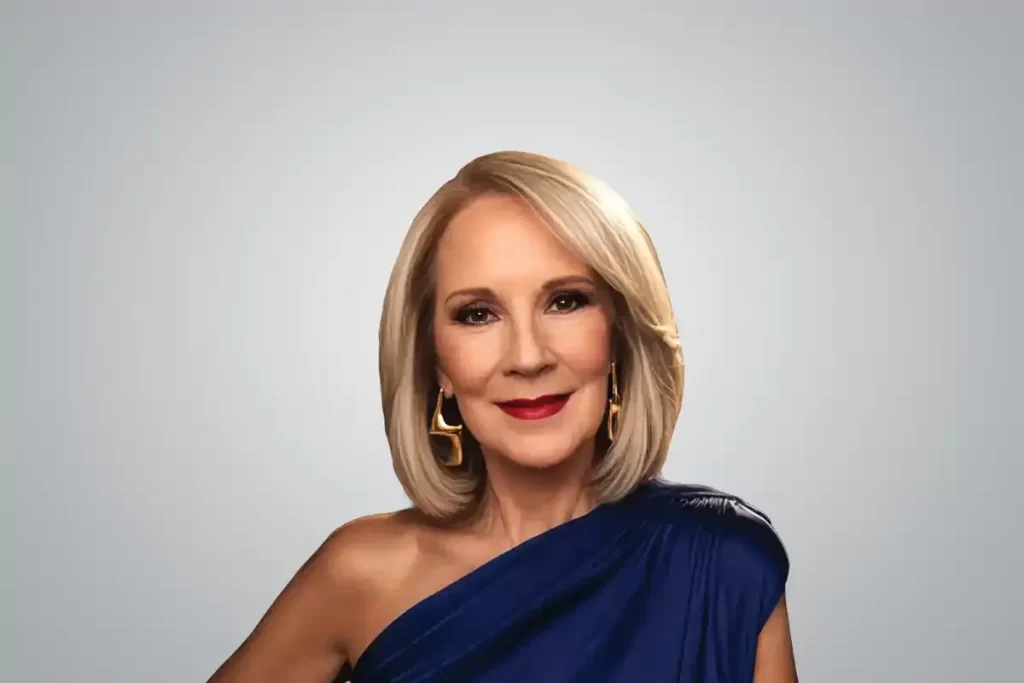
Charlotte Murphy
Founder
BelieveInspire™
A Lawyer-turned Conduit of Hope and Courage
Charlotte Murphy
Founder
BelieveInspire™
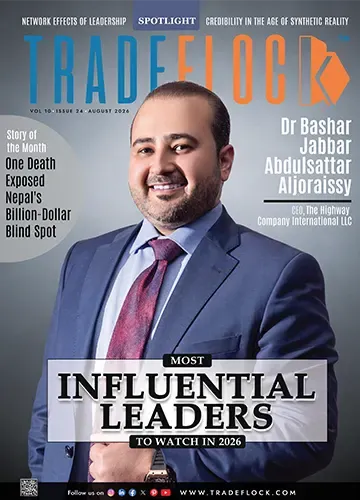
Charlotte Murphy-Most Influential Leaders to Watch in 2026
Leadership was once defined largely by rank, authority and the ability to command. Today, it is measured very differently. Empathy, authentic communication and the ability to influence with purpose have become the qualities that distinguish truly impactful leaders. Those who have mastered the balance between purpose and compassion are not only shaping organisations but also transforming lives beyond them. Charlotte Murphy, Founder of BelieveInspire™ and The Mission Hope Movement, has spent years doing exactly that. Drawing from a journey marked by personal loss, caregiving, surviving breast cancer four times and rebuilding her life from the ground up, she has created a platform that empowers individuals to turn deeply personal experiences into stories of hope, healing and resilience. Through her work, more than a hundred authors have found the confidence to reclaim their voice and inspire others through their lived experiences. In this conversation with TradeFlock, Charlotte reflects on the defining moments that reshaped her purpose, her philosophy on meaningful leadership and why lasting impact begins by helping others discover the power of their own story.
Your journey has taken you from practising law to building Mission Hope™. Looking back, which experiences shaped that path the most?
Practising law for 15 years taught me how powerful stories can be. Every client who walked into my office carried something they wanted the world to understand. At the time, I thought I was simply advocating for them, but in hindsight, those conversations planted the seeds for everything Mission Hope would become.
The biggest turning point came in 2005, when I stepped away from my legal career to become a full-time caregiver for a family member with a long-term illness. That chapter lasted nearly two decades and stripped away everything I thought defined me. It forced me to ask, “Who am I without my career?”
When I emerged from that season in 2022, I knew I wanted to create something that honoured the quiet courage I had witnessed every day. Losing my father to ALS when I was 24, surviving breast cancer four times and walking alongside someone I loved through an unwinnable battle all deepened that conviction. Mission Hope was never a business idea. It was a calling born from those experiences.
Your own journey completely changed your definition of success. What does success mean to you today?
Earlier in my career, success looked the way many people define it. My law firm was thriving, we had grown into a million-dollar practice and, by every external measure, I had achieved what I had set out to do.
Caregiving changed that perspective completely. There are no awards for sitting beside someone through the hardest years of their life, yet it became the most meaningful work I have ever done. It taught me that success is not measured by revenue or recognition. It is measured by whether your work leaves people stronger than you found them.
That philosophy guides Mission Hope every day. Bestseller lists are wonderful, but what matters most is seeing an author walk away believing their voice matters. If someone finds the courage to tell their truth because of what we’ve built, then I consider that success.
Looking ahead, what legacy do you hope Mission Hope™ leaves behind?
My vision is for Mission Hope to become the gold standard for anthology publishing, where every person with a meaningful story knows there is a place that will honour it with professionalism, compassion and care.
We continue to expand through new anthology volumes, multimedia storytelling and speaking platforms because stories should never be confined to a single page. They should reach people wherever they are and in whatever form creates the greatest impact.
When people look back on my work, I hope they don’t remember bestseller rankings or business milestones. I hope they remember that Mission Hope made them feel safe enough to tell the truth. If someone found hope because another person chose to share their story, then everything we’ve built has served its purpose.
Mission Hope™ has become a platform for healing through storytelling. Why do you believe stories have the power to transform lives?
Stories give people permission to see themselves differently. I believed that long before Mission Hope, but watching it happen in real life made that belief unshakable.
Many of our authors have never written before. They arrive carrying experiences they have hidden for years, unsure whether anyone will understand them. Then they share their story, see it published and begin hearing from readers who say, “Your chapter helped me” or “I finally feel understood.” Something changes. They stop being defined by what happened to them and begin owning their story instead.
What surprised me most was the ripple effect. I expected our authors to grow through the process. I never expected readers to tell us that a single chapter changed the direction of their healing or even helped repair relationships within families. That continues to remind me that stories do far more than connect people. They create hope.
"Impact is not measured by income. It is measured by the lives you touch."
What has been the toughest decision you've faced as a founder?
The hardest decisions have always involved protecting the mission. Early on, I was presented with opportunities that could have grown the business much faster through higher-volume publishing and commercial partnerships. Financially, they made sense. Personally, they did not.
Mission Hope was never intended to become a publishing factory. Every author deserves personal guidance, editorial care and a space where their story is treated with dignity and respect. Preserving that experience meant accepting slower growth, and I have never regretted that choice.
It taught me that I am not simply building a company. I am building a legacy. Legacy requires patience, integrity and the willingness to choose depth over speed whenever the two come into conflict.
All Magazines -
Success Insights
Dr. Kelly Waugaman-Most Empowering Women Leaders to Watch in 2026
Roisin Wadding-Best HR Leaders from Asia 2026