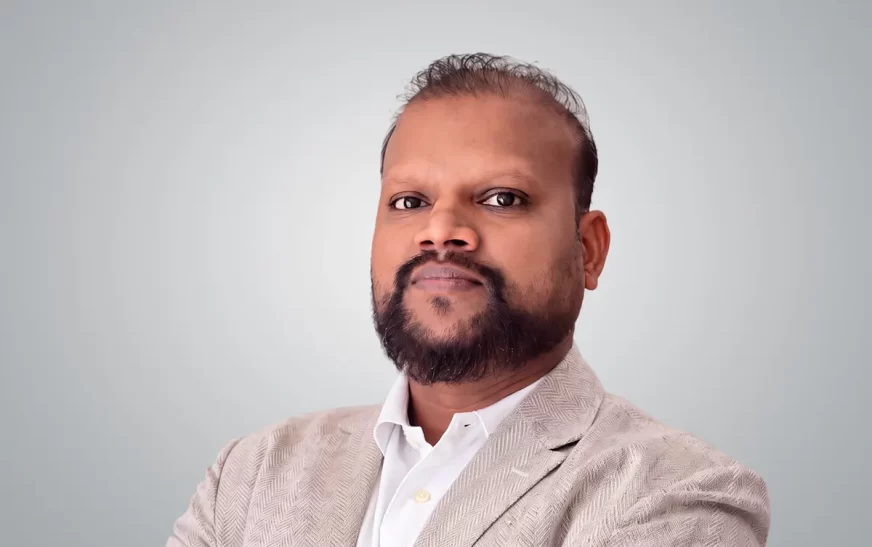
Leading with Heart and Strategy
Assaf Emergui
CIO
Shekel – Israeli NPO for Inclusion of People with Disabilities

Leading with Heart and Strategy
Assaf Emergui
CIO
Shekel – Israeli NPO for Inclusion of People with Disabilities
Assaf Emergui - Asia’s Best Business Leaders 2025
Curious by nature and precise by training, Assaf Emergui has spent 19 years transforming technical complexity into operational excellence. Today, as CIO of Shekel— the Israeli non-profit advancing inclusion for people with disabilities, he channels that expertise into a singular mission: harnessing technology to drive meaningful societal impact. Across industries and continents, Assaf has built a career defined not only by strategic vision and technical mastery but also by an unwavering resilience that turns challenges into opportunities. Two defining moments shaped his perspective. The COVID-19 pandemic revealed the power of agility and rapid adaptation, while the unforeseen events of October 7th reinforced the importance of humility and preparation. From these experiences, Assaf has distilled a guiding principle: you can’t predict everything, but you can prepare thoughtfully and leave room to manoeuvre. Resilience in leadership isn’t about having all the answers; it is about anticipating what might go wrong, creating flexibility, and transforming obstacles into steppingstones for success. Assaf’s career is punctuated by high stakes achievements, none more notable than orchestrating a complete network replacement for a pharmaceutical factory with zero downtime. Coordinating globally with specialists, he mapped every variable, integrating hardware, software, and systems with the precision of a symphony. The result was seamless, a testament to what meticulous planning, collaboration, and trust can achieve when vision and execution converge. Renowned for his expertise in information security, networking, infrastructure, and strategic planning, Assaf consistently delivers operational excellence while optimising resources. At Shekel, he brings this wealth of experience to ensure that technology not only drives efficiency but also amplifies impact, creating a society where inclusion is not merely aspirational; it is tangible, actionable, and transformative. Speaking with TradeFlock exclusively, Assaf shares his journey and inspiration.
How can AI and emerging technologies transform nonprofit operations while balancing efficiency and empathy?
AI and emerging technologies have the potential to transform how nonprofits supporting people with disabilities operate. They can enhance efficiency by analysing data for smarter decision making, personalising programmes to individual needs, and automating administrative tasks that often consume significant resources. Yet efficiency must be balanced with empathy. The true value of AI lies in strengthening human connections rather than replacing them. For example, AI can suggest tailored support plans, improve the accessibility of digital services, or quickly identify evolving community needs, but implementation must prioritise listening, inclusion, and empowerment. When used thoughtfully, technology enables staff and volunteers to focus on meaningful engagement, deepening the sense of belonging for individuals with disabilities. Ultimately, AI should serve the nonprofit’s mission, amplifying impact while ensuring that every person feels genuinely seen, supported, and valued.
"I see immense potential in the continued alliance between Israeli and Indian tech ecosystems. Together, we are delivering advanced technological solutions and creating a lasting bridge between nations, demonstrating that shared vision, mutual respect, and collaboration can turn innovation into a truly global force for progress.”
What have you learnt from India’s tech ecosystem, and how has it shaped your global IT strategies?
My collaboration with Indian teams has been one of the most inspiring chapters of my professional journey. The depth of technical expertise, professionalism, and innovative mindset I have encountered in India is remarkable. Working alongside Indian engineers, architects, and data specialists has continually broadened my perspective, revealing the extraordinary potential of a technology ecosystem that combines scale, creativity, and precision. A particularly transformative experience was leading joint projects on data centres in India. From planning high efficiency infrastructure to implementing cutting-edge solutions for scalability and security, these projects showcased not only technical excellence but also a culture of meticulous execution and forward-thinking innovation. Through these collaborations, I learnt how diverse teams, united by purpose and mutual respect, can achieve results that surpass expectations. The synergy between Israeli and Indian teams has been especially impactful. By merging Israel’s agility and problem-solving spirit with India’s vast technological talent and systemic approach, we have built partnerships greater than the sum of their parts. This experience has shaped my approach to international IT strategies, emphasising cross cultural intelligence, knowledge sharing, and leveraging global innovation to address complex challenges. Looking ahead, I see immense potential in the continued alliance between Israeli and Indian tech ecosystems. Together, we are delivering advanced technological solutions and creating a lasting bridge between nations, demonstrating that shared vision, mutual respect, and collaboration can turn innovation into a truly global force for progress.
Looking back, who or what has most shaped your human-centred leadership style when facing challenging times?
One of my most profound sources of inspiration for blending technical expertise with human centred leadership has been The Lord of the Rings. Beyond its epic battles of good versus evil, what resonates most deeply are the grey spaces—the doubts, fears, and moral ambiguities that exist between light and darkness. It serves as a reminder that leadership rarely offers clear cut answers; it is about navigating complexity, making difficult choices, and guiding others even when the path is uncertain. This perspective has strongly influenced how I lead during national emergencies, including the ongoing conflict in Israel. In such moments, challenges are layered: technical decisions must be executed swiftly, yet each carries significant human impact. Drawing from the lessons of Middle-earth, I focus on balancing strategy with empathy, resilience with hope, and decisiveness with moral reflection. Just as Frodo’s journey illustrates that courage often manifests quietly and persistence is tested in the shadows, leadership in crisis requires seeing and honouring humanity in every decision. It demands inspiring teams to act with integrity, calm, and compassion, even under intense pressure. Ultimately, effective leadership is not just about solving problems; it is about guiding people through uncertainty while upholding vision, dignity, and trust.
How do you align strategic planning with minimal expenditure using your expertise in resource allocation?
I approach my department not merely as a technological unit, but as an integral partner across the organisation. My strategy begins with embedding our work plans and roadmaps into the company’s broader strategic vision. This requires a deep understanding of each department’s objectives and tailoring initiatives to deliver maximum impact while remaining cost efficient. Collaboration is central to this approach. By working closely with other teams, we ensure technology acts as an enabler, not just a support function. We focus on creating solutions bespoke to organisational needs, avoiding generic implementations that often consume unnecessary resources. This alignment allows us to prioritise initiatives that generate the highest value with minimal expenditure.
"Leadership, I’ve learnt, is not just about strategy or innovation; it’s about making a tangible, positive difference in the lives of others”
Resource allocation follows a disciplined, data driven methodology. Each project is evaluated continuously for impact and efficiency, ensuring redundant efforts are minimised, existing assets are leveraged, and investments are directed where returns are meaningful. Ultimately, this strategy transforms the department into a partner of choice, delivering innovative, tailored solutions that advance organisational goals while upholding financial prudence. It’s about leading with vision, acting with empathy, and constantly asking: “How can we do more with less, without compromising impact?” This mindset ensures technology drives growth, operational efficiency, and measurable value across the enterprise.
How have your social or community initiatives influenced your leadership and work style?
If I am completely honest, my son has always been the central focus of my life. He’s 12, on the autistic spectrum, gifted, and has an incredible passion for chess. From the moment we received his diagnosis, my priorities shifted overnight. I faced a choice: surrender to uncertainty, pretend nothing had changed, or dedicate every resource I had to his future. I chose the third path and never looked back. I tend to think in clear, binary terms: if something can be done, I will do it. Twelve years on, his progress amazes me. Today, he competes in chess, speaks two languages, and continues to grow every day. Witnessing his development inspired me to think beyond my family: how could my experiences help others? At Shekel, people are at the heart of the mission. We create inclusive, supportive environments, from community housing that fosters independence to employment programmes tailored to each individual. These initiatives go beyond service delivery; they instil dignity, capability, and a true sense of belonging. Helping others realise their potential is what drives me most. This personal journey also led me to co-found a nonprofit dedicated to promoting chess in Israel. Seeing the profound impact chess had on my son, enhancing focus, resilience, problem solving, and confidence, made me realise its transformative potential for many others, particularly children and young adults facing challenges. Our goal is to make chess accessible, inclusive, and engaging, fostering personal growth, social connection, and community. Witnessing the joy, growth, and confidence in those we support reaffirms my belief that small, thoughtful investments in guidance and opportunity can create lifelong impact, not just for one child, but for countless others.
What keeps you motivated when integrating technology into humanitarian missions?
What drives me in life is deeply personal—my son. From the moment he was diagnosed, I made a quiet vow to myself: that by the end of my days, I want to look back knowing, with a full and unwavering heart, that I did everything possible to make his life better. That commitment has become my guiding star. It informs every decision I make, every project I lead, and every challenge I embrace. Beyond my son, it motivates me to extend the same dedication to others, particularly people with disabilities, working to create inclusion, opportunity, and dignity where it is often overlooked. I’ve come to believe in the power of purposeful, incremental action: even small, intentional steps can ripple outward, generating meaningful change. This sense of responsibility, rooted in empathy, care, and unwavering commitment, keeps me moving forward, even in the most complex or high pressure situations. Leadership, I’ve learnt, is not just about strategy or innovation; it’s about making a tangible, positive difference in the lives of others. Day by day, step by step, I strive to ensure that my work leaves the world, and my son’s life, better than I found it.
All Magazines -


Success Insights
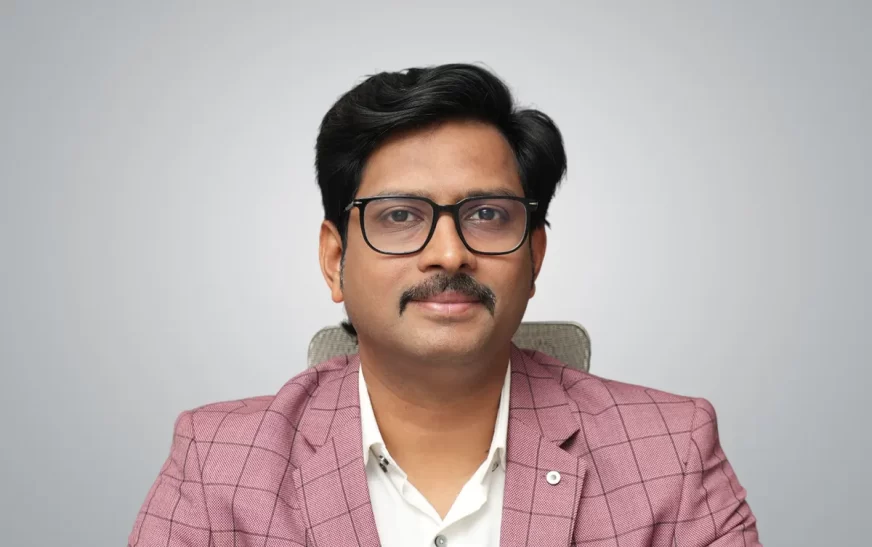
Ravindranath Garaga-Best CXOs in Asia 2026
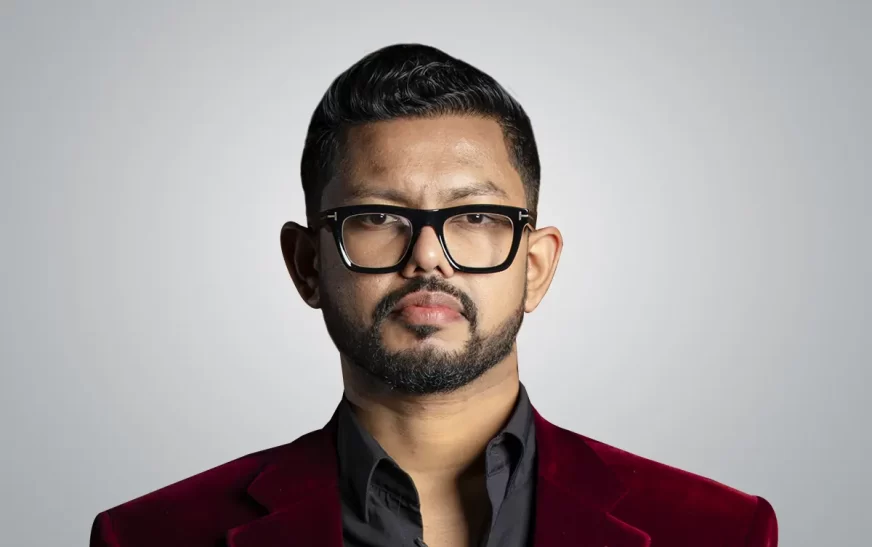
Dr Tharindu Samarajeewa-Asia’s 40 Under 40 2026